However, its impact on soil health can indirectly affect plant growth, as a reduction in earthworm populations can lead to poorer soil aeration and nutrient cycling. Therefore, while it is not dangerous in the traditional sense, its presence can have negative consequences for garden ecosystems.
7. How to Confirm the ID: Simple At-Home Checks and Photos
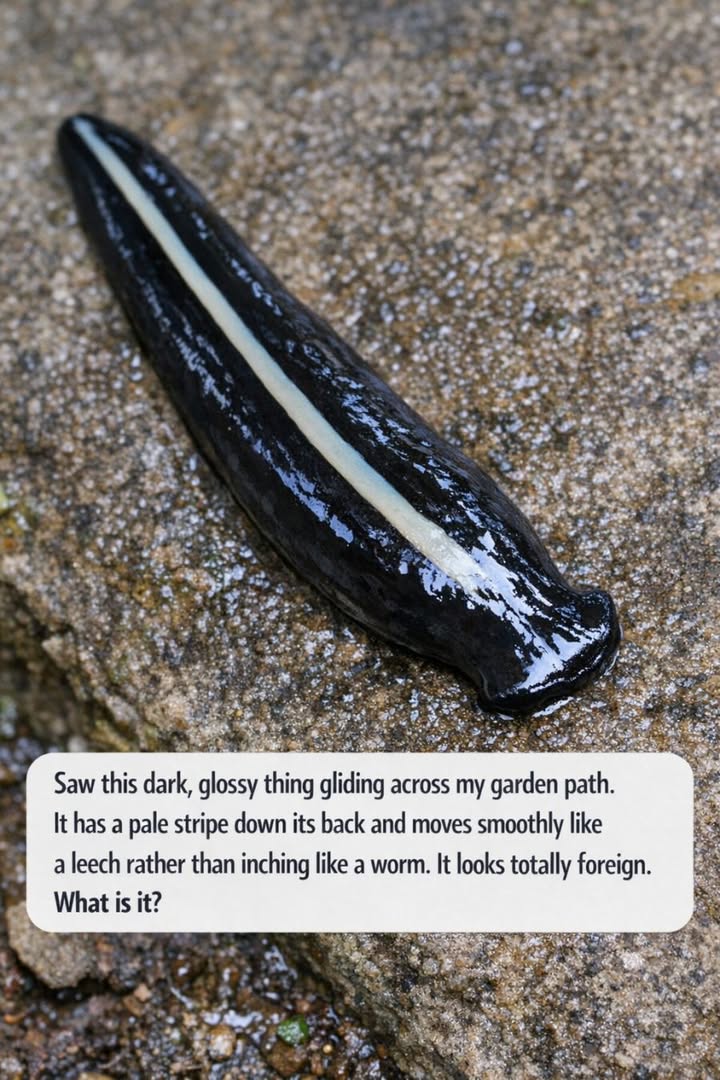
To confirm that the creature in your garden is indeed a blue garden flatworm, start by carefully observing its physical characteristics. Look for the distinctive dark, glossy body and pale stripe down its back. Measure its length, which typically ranges between 5 to 10 centimeters.
If possible, take clear photographs of the flatworm from multiple angles. Comparing these images to online resources or consulting with local wildlife experts can help confirm its identification. Additionally, checking if the flatworm exhibits the smooth gliding motion characteristic of ciliary movement can further verify its identity.
8. What To Do If You Find One: Handling and Disposal Tips
If you encounter a blue garden flatworm in your garden, it’s important to handle it with care to prevent spreading it further. Use gloves or a tool to gently lift the flatworm from the soil, being cautious not to damage it, as some species can regenerate from fragments.
Dispose of the flatworm by sealing it in a plastic bag and placing it in the trash. Avoid releasing it elsewhere, as this can contribute to its spread. Regular monitoring of your garden and removing any flatworms you find can help manage their population.
9. How to Protect Your Garden Without Harming Everything Else
To protect your garden from the impact of blue garden flatworms, focus on maintaining healthy soil and encouraging a diverse ecosystem. Introducing natural predators such as birds or beneficial insects can help keep flatworm populations in check.
Avoid using broad-spectrum pesticides, as these can harm beneficial organisms and disrupt the garden’s ecological balance. Instead, opt for targeted interventions and natural methods to support soil health and biodiversity.
10. Reporting Sightings: Helping Scientists Track the Invasion
If you encounter the blue garden flatworm in your area, consider reporting the sighting to local environmental authorities or citizen science projects. These reports can help track the spread of the species and inform management strategies.
Providing detailed information, such as location, date, and photographs, can aid researchers in understanding the flatworm’s distribution and impact. Participating in these efforts contributes to broader ecological management and conservation goals.
11. Common Lookalikes and How to Tell Them Apart
While the blue garden flatworm has distinct features, it may be confused with other similar garden inhabitants, such as earthworms or leeches. Earthworms typically have a segmented, non-glossy body and move by inching, making them easy to distinguish from flatworms.
Leeches, on the other hand, may share the flatworm’s glossy appearance but often have a more robust, muscular body and are commonly found in aquatic environments. Observing the flatworm’s unique gliding motion and central stripe can help differentiate it from these lookalikes, ensuring accurate identification.