
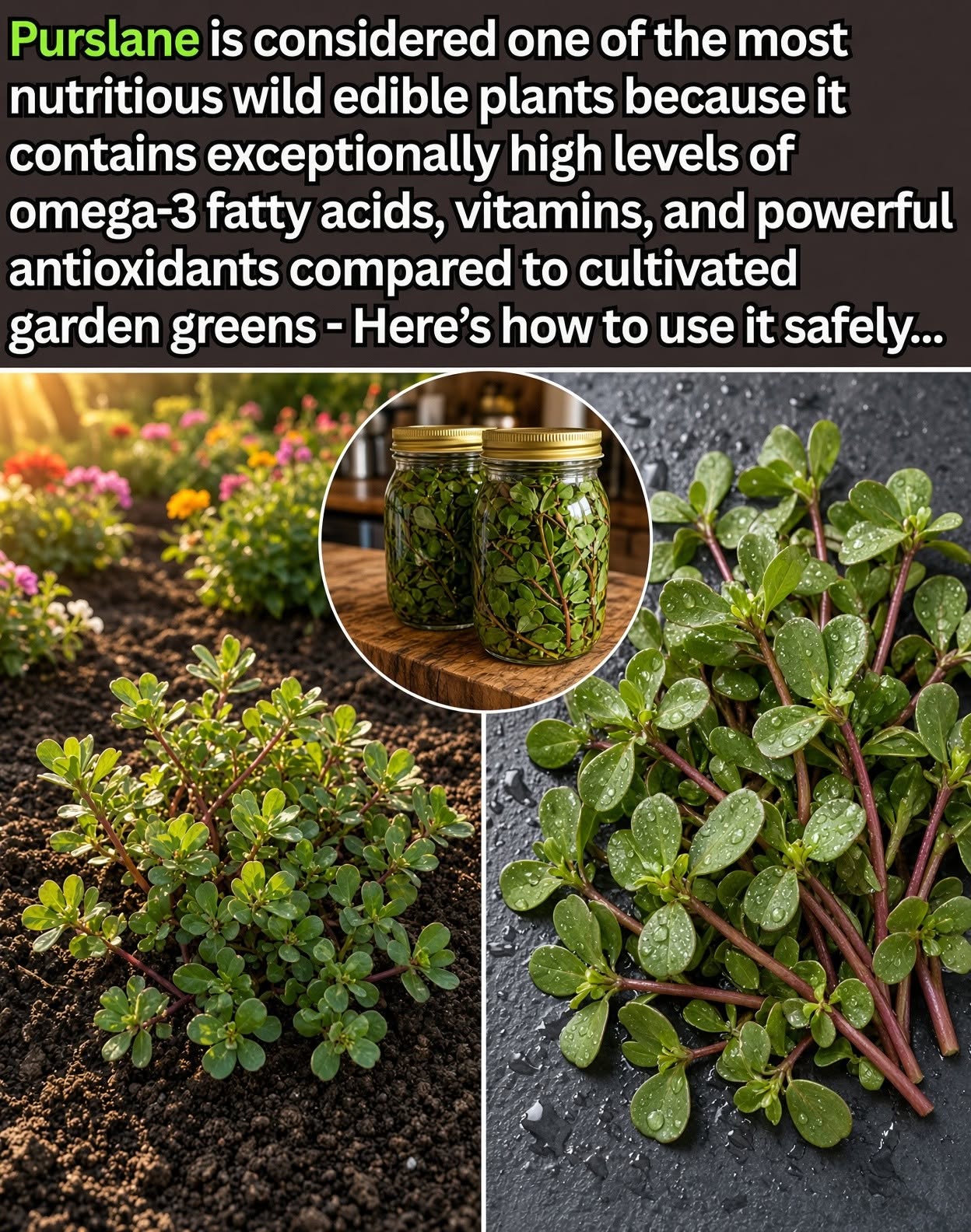
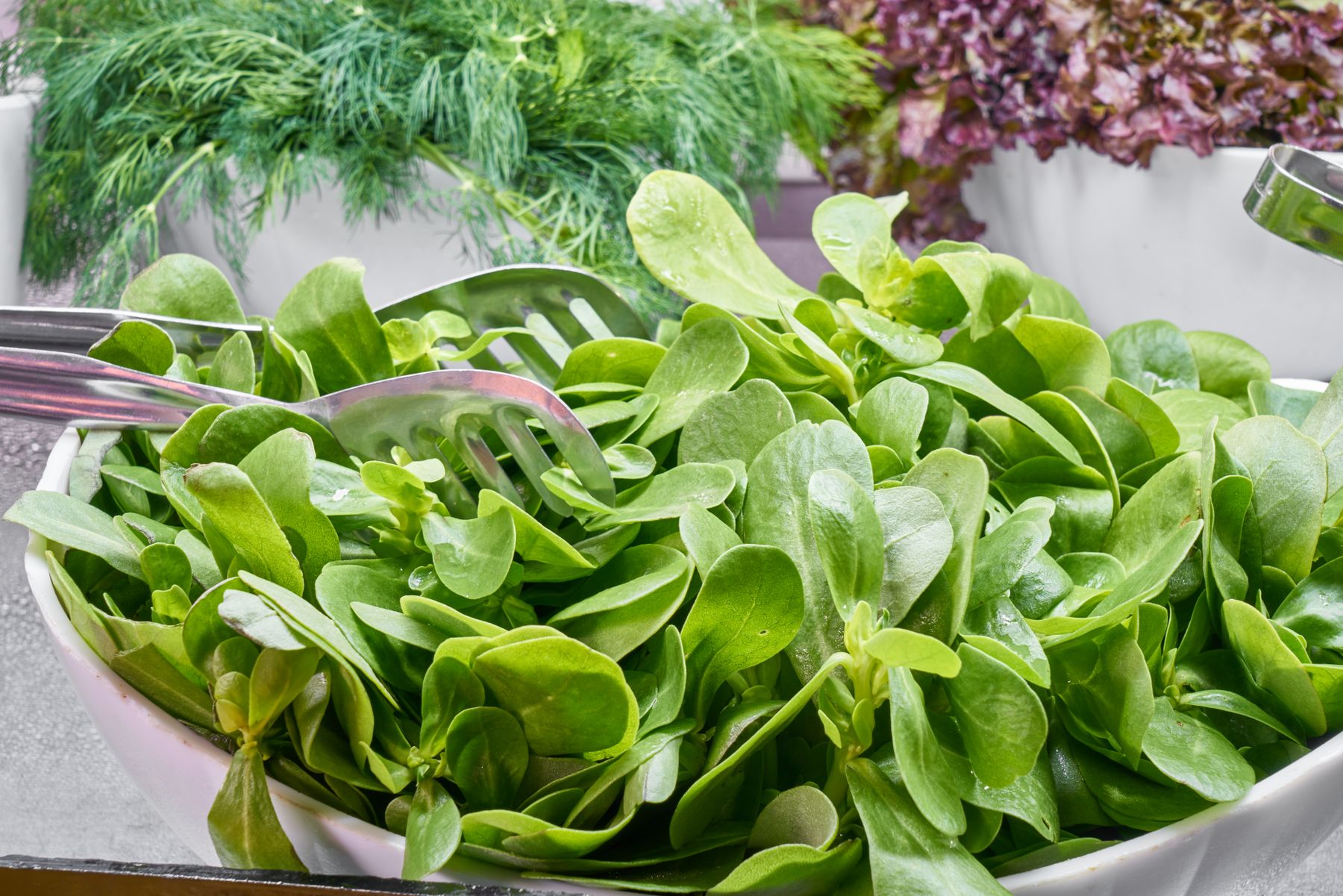
The easiest introduction is to use young purslane raw. Wash it thoroughly, trim away tough portions, and mix the tender leaves and stems into a salad. Its crisp texture and slightly tart character can brighten tomatoes, cucumbers, onions, beans, herbs, and other greens. Because the flavor is distinctive but not overpowering, starting with a modest handful is an easy way to discover how it fits into meals.

Purslane can also be blended into smoothies or green juices, although it does not need to be consumed in liquid form to be useful. A more satisfying approach for many people is simply to chop it into an existing salad, grain bowl, or vegetable dish. Combining it with several other foods also makes the meal more nutritionally diverse instead of placing all the attention on one ingredient.

Cook It With Garlic and Olive Oil
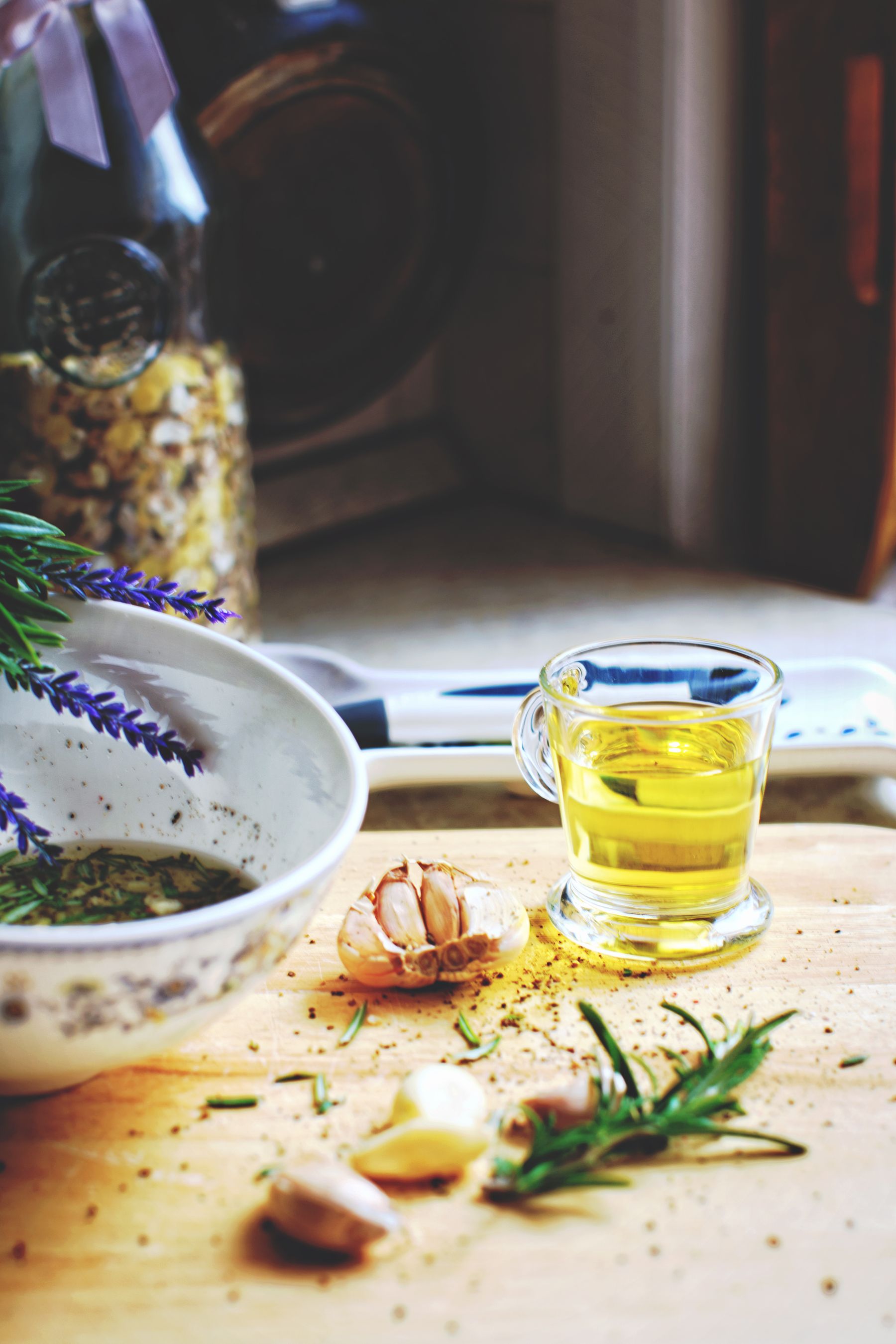
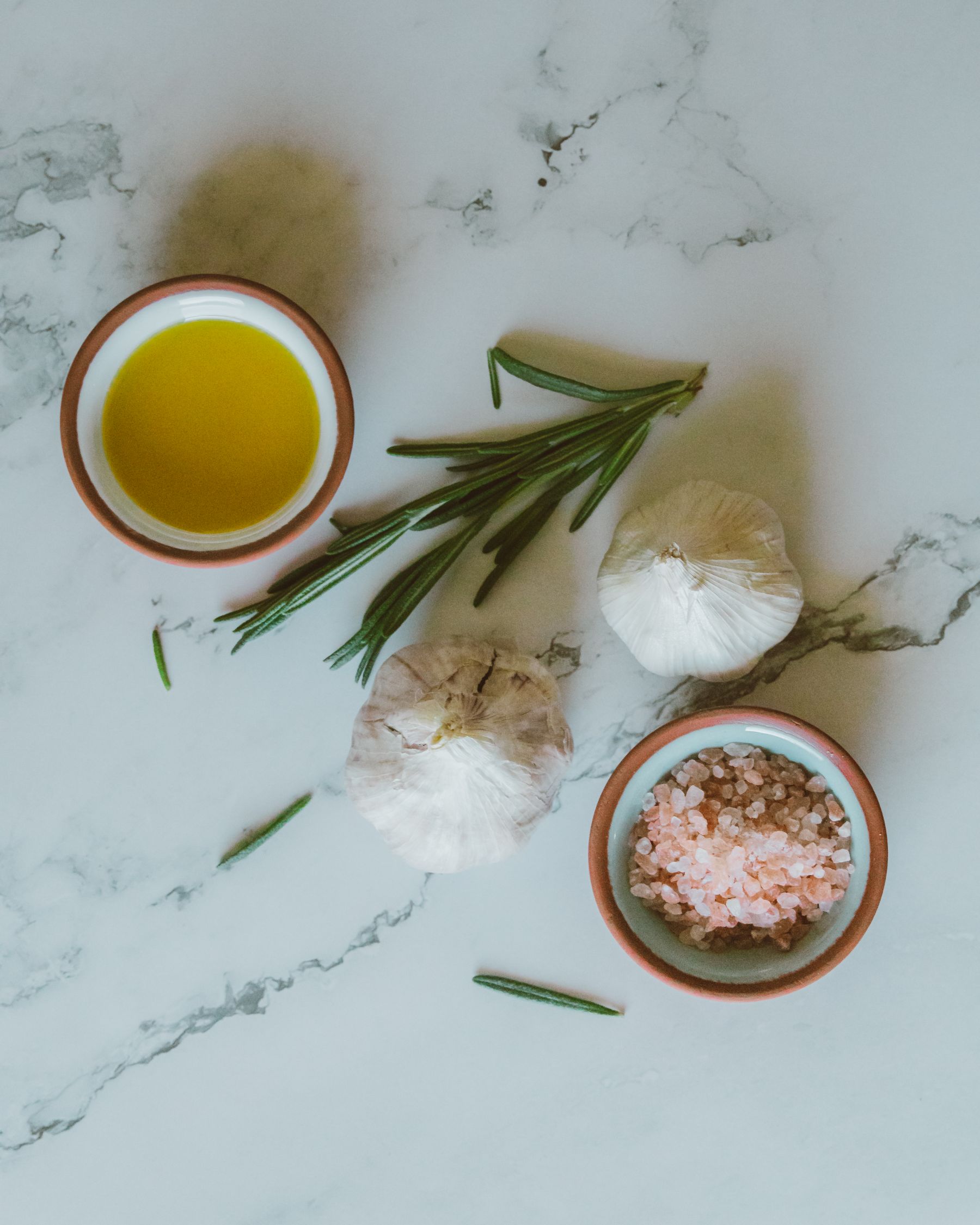
For a warm side dish, sauté purslane briefly with garlic and olive oil. Cooking softens the stems and leaves while allowing the plant’s naturally juicy texture to become part of the dish. You can season it with lemon, black pepper, herbs, or a little chili. It works beside roasted vegetables, grains, beans, eggs, or a main course, making it an uncomplicated way to use a larger harvest.
Purslane is also suitable for soups and stews. Add it toward the end of cooking when you want some of its fresh character to remain, or let it cook longer for a softer texture. Its succulent leaves can contribute body to a broth, while the slightly tangy flavor pairs naturally with beans, lentils, tomatoes, garlic, and other vegetables.

Pesto, Pickles, and Other Ideas
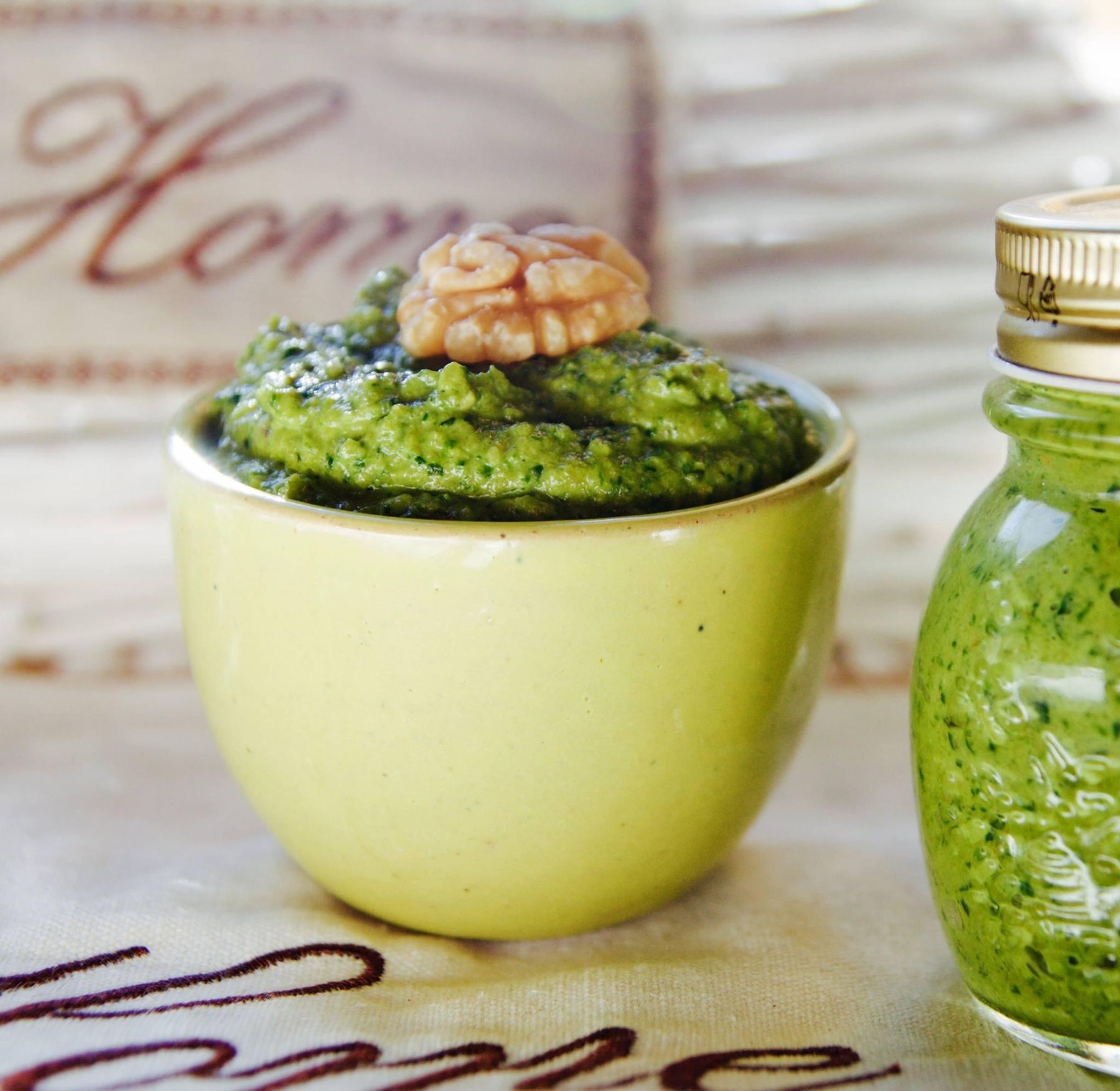
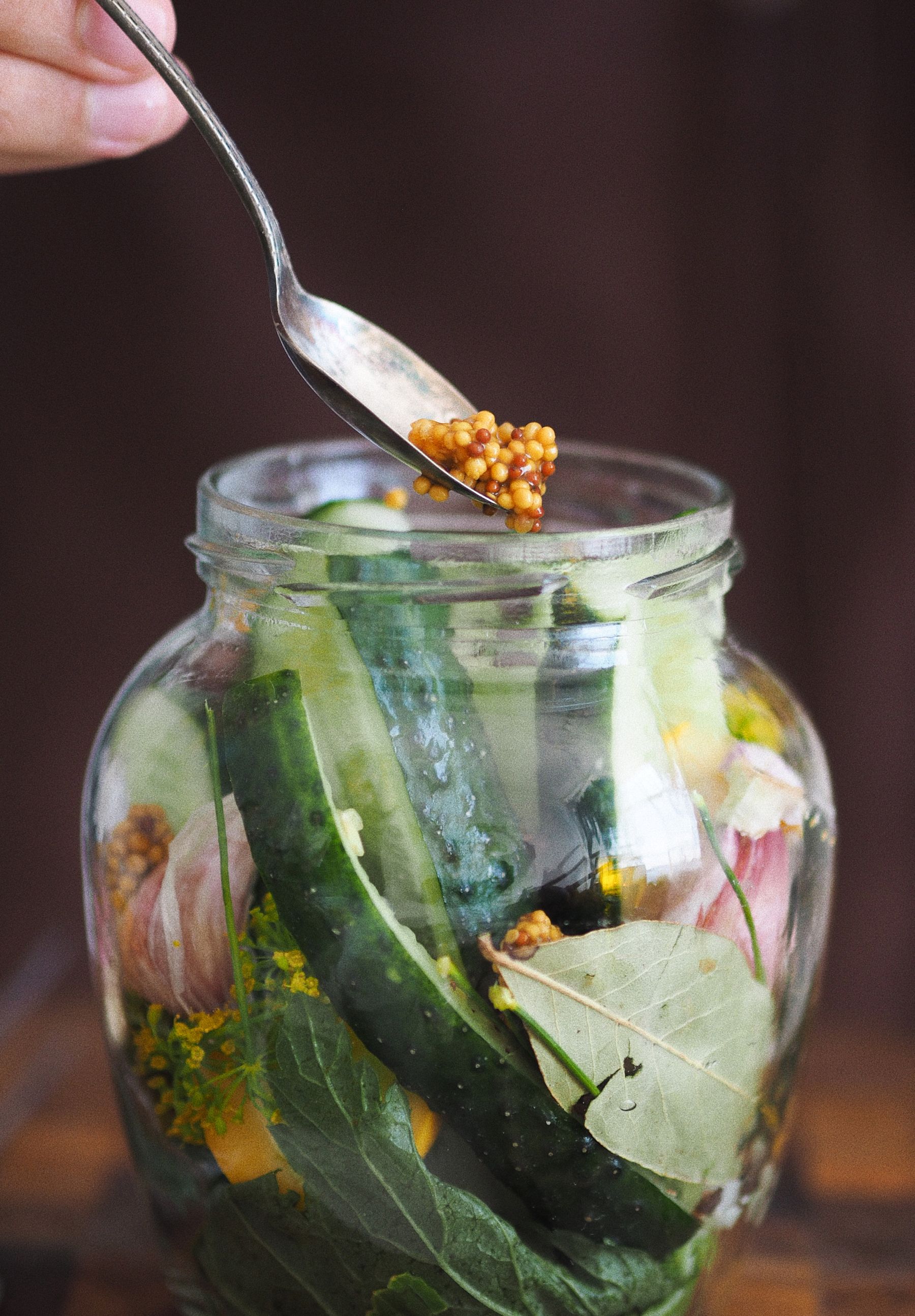
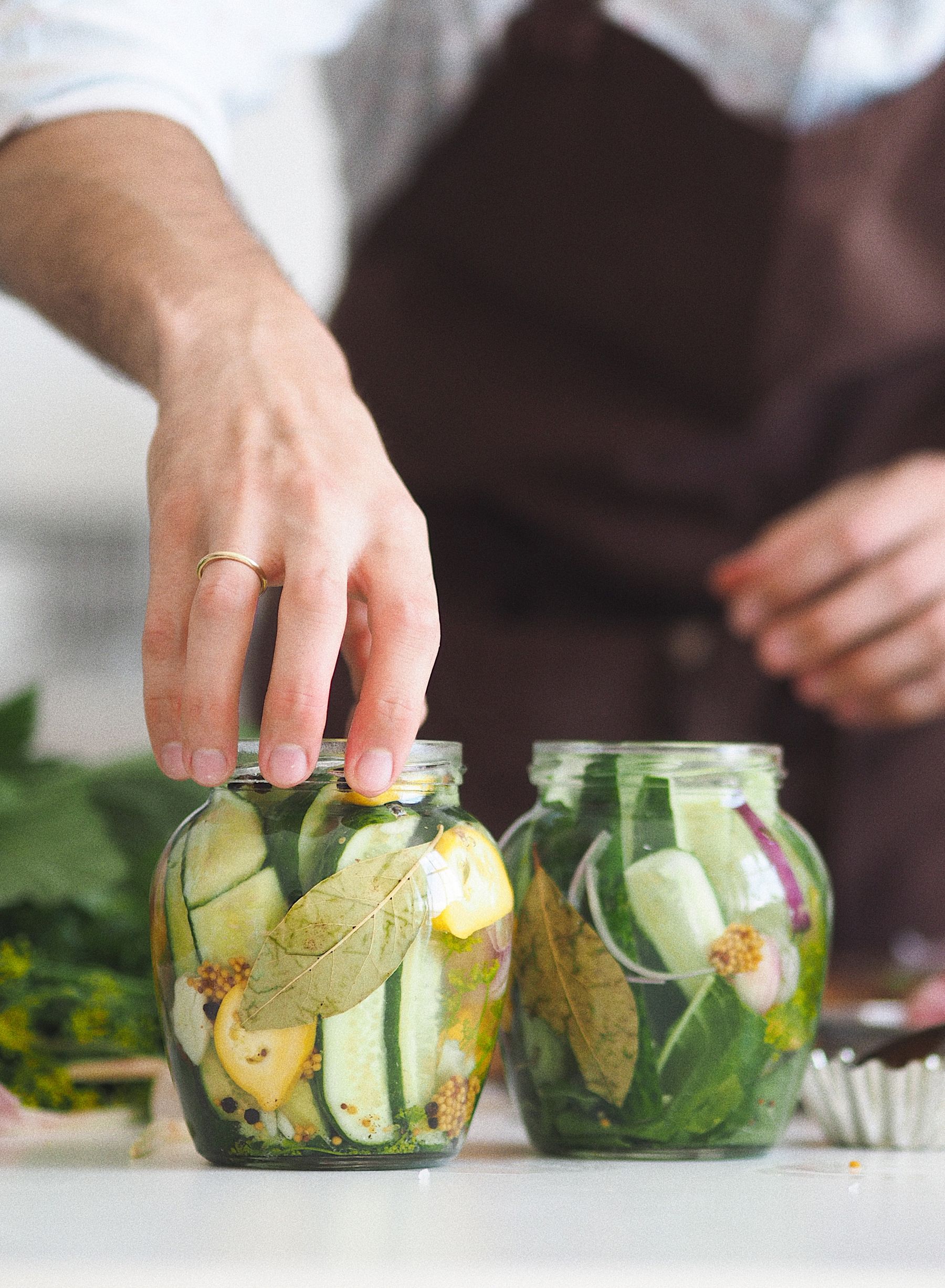
If you want something different, use purslane as part of a green pesto. It can be combined with familiar pesto ingredients such as herbs, nuts, garlic, olive oil, and cheese, producing a fresh sauce for pasta, vegetables, sandwiches, or grains. Purslane can also be pickled with suitable ingredients and methods, turning its tender stems into a tangy condiment that can be served in small portions alongside meals.
How to Add It Without Overcomplicating Your Diet

If purslane is new to you, begin with a small amount and use it where you already enjoy greens. Mix it with lettuce or other salad leaves, fold it into cooked vegetables, or add a handful to soup. This approach lets you learn its texture and flavor without changing your entire routine. Variety is more important than chasing a single ‘superfood,’ so rotate purslane with other vegetables, herbs, legumes, fruits, and whole foods.

Important Food-Safety Note
Only eat purslane when you are confident of its identification. Do not harvest plants from lawns, roadsides, industrial areas, or places that may have been treated with pesticides, herbicides, fertilizers, or contaminated water. Wash edible purslane carefully before eating it. As with any wild or garden-foraged plant, correct identification and a clean growing environment matter just as much as the plant’s nutritional profile.

The Bottom Line

Purslane deserves a second look. It is an adaptable edible green with a pleasant texture, plant-based ALA omega-3, vitamins, minerals, carotenoids, and other compounds that make it nutritionally interesting. The strongest way to use it is not to treat it as a miracle cure, but to enjoy it as one small part of a varied diet. Try it raw in salads, sautéed with garlic and olive oil, stirred into soups, blended into pesto, or preserved as a pickle. A plant many people remove from the garden can, with proper identification and safe handling, become a surprisingly useful ingredient.