
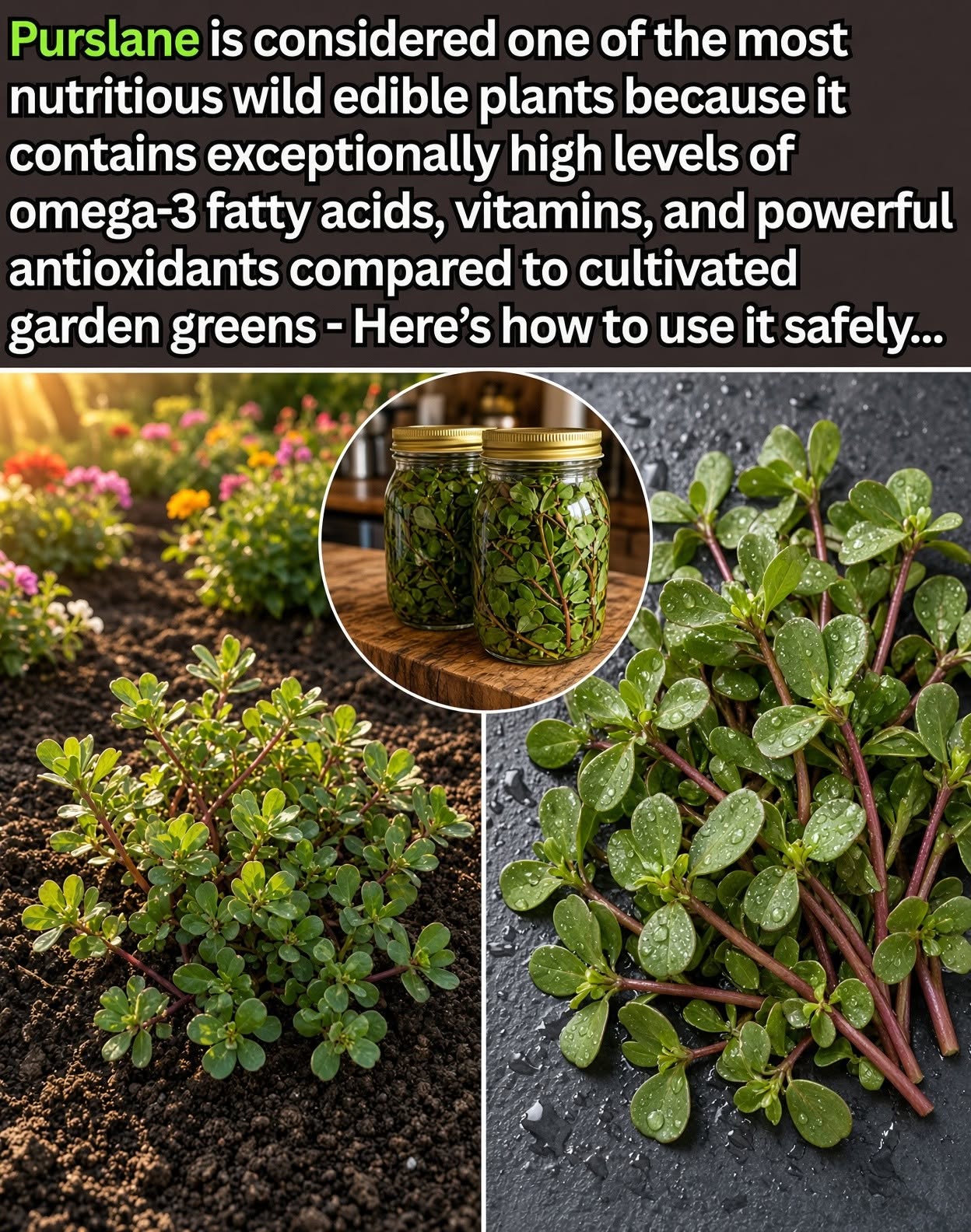
A common garden plant can be a surprisingly versatile edible green. Purslane has a crisp texture, a fresh tang, and a nutritional profile that makes it worth recognizing.
Purslane (Portulaca oleracea) is one of those plants that can be easy to overlook. It often appears in paths, garden beds, cracks, and sunny patches where other plants struggle. Yet this humble succulent green has a long history as a food plant and contains a noteworthy mix of vitamins, minerals, antioxidants, and plant compounds. What looks like an ordinary garden weed can be a surprisingly useful edible green when it has been correctly identified and grown or harvested from a clean, food-safe location.

Part of purslane’s appeal is its combination of culinary versatility and nutritional density. The leaves and tender stems are crisp and juicy, with a fresh, mildly tangy flavor that works especially well with salads, cooked greens, soups, and sauces. It is also one of the better-known plant sources of alpha-linolenic acid (ALA), a plant-based omega-3 fatty acid. That does not make purslane a cure-all, but it does make this unassuming green an interesting addition to a varied diet.
What Makes Purslane Nutritionally Interesting
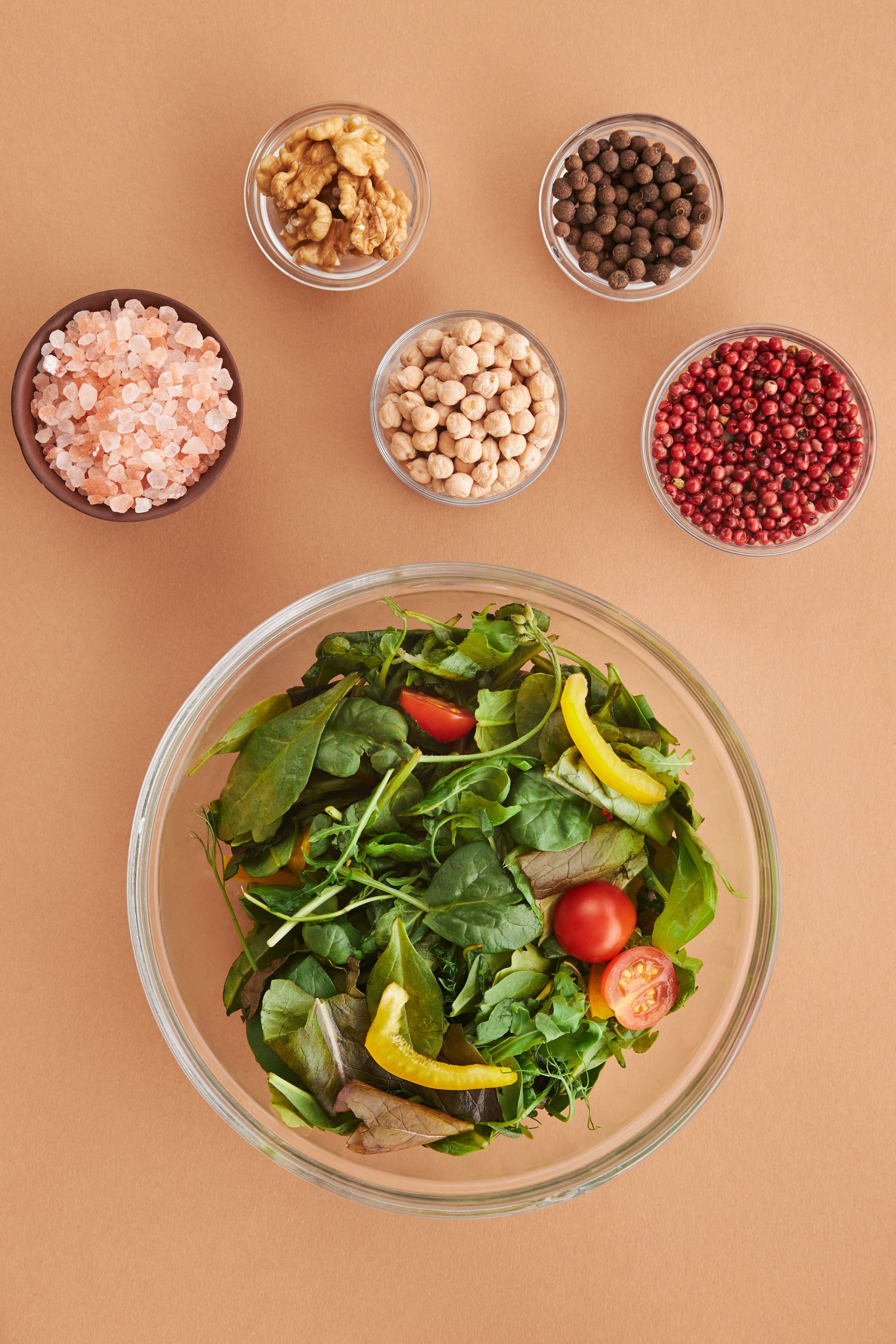
One of the main reasons purslane attracts attention is its omega-3 content. ALA is an essential fatty acid, meaning the body needs it from food. Purslane can contribute a small amount of plant-based omega-3 to meals, alongside other foods such as flaxseed, chia, walnuts, and certain oils. The broader lesson is simple: adding a variety of nutrient-rich plants can make everyday meals more diverse without relying on a single so-called superfood.
Purslane also supplies antioxidant compounds and several vitamins. It contains vitamin C and beta-carotene, while its broader plant chemistry includes compounds that researchers have studied for antioxidant and anti-inflammatory activity. These nutrients help support normal body functions, but it is best to think of purslane as one useful part of an overall nutritious eating pattern rather than a treatment for inflammation, disease, or aging.
A Source of Minerals and Plant Nutrients
The plant provides minerals such as calcium, magnesium, potassium, and iron. The amounts you actually obtain depend on the variety, growing conditions, soil, harvest stage, and serving size, so purslane should complement rather than replace other mineral-rich foods. Still, including different edible greens throughout the week is an easy way to broaden the nutritional range of a meal.
Another interesting feature is purslane’s beta-carotene content. Beta-carotene is a carotenoid that the body can convert to vitamin A, an important nutrient for normal vision, immune function, and maintenance of skin and other tissues. Eating colorful vegetables and greens is a practical way to obtain carotenoids as part of a balanced diet, and purslane can contribute to that variety.
What About Melatonin and Mood?
Purslane has also been discussed because it contains melatonin and tryptophan. Melatonin is involved in the body’s sleep-wake cycle, while tryptophan is an amino acid used in several biological pathways. However, finding a compound in a food is not the same as proving that eating that food will noticeably improve sleep, mood, or depression. These claims deserve more research, so purslane is better viewed as a nutritious food than as a sleep or mood treatment.
Easy Ways to Eat Purslane
⏬Continued ⏬on the ⏬next ⏬page
