
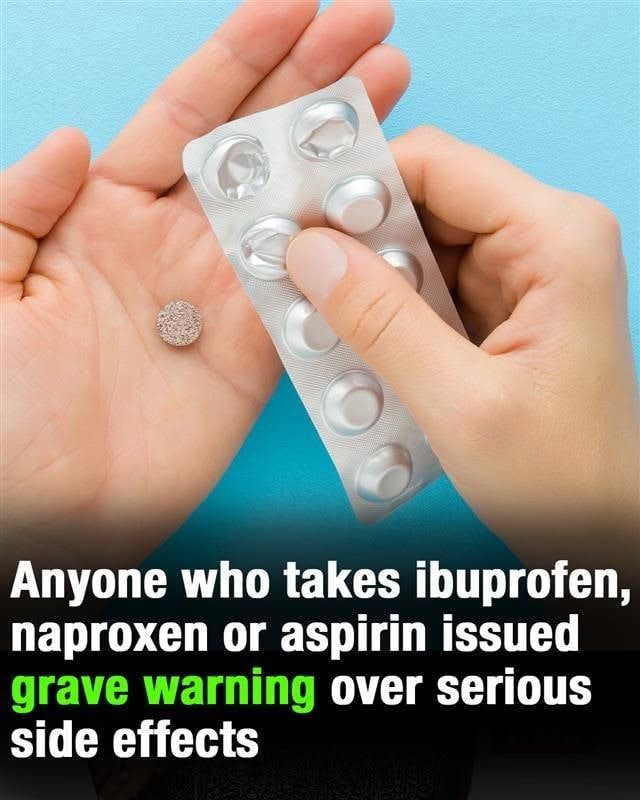

A doctor has warned that commonly used painkillers can trigger life-threatening complications when used long term.
NHS GP Dr. Mark Porter has highlighted the potential dangers associated with common anti-inflammatory medications—including ibuprofen, naproxen, and even normal-dose aspirin—warning that over-the-counter drugs are not always as harmless as they may seem.
Ibuprofen is one of the most commonly used non-steroidal anti-inflammatory drugs (NSAIDs). It is designed to reduce inflammation and relieve pain, making it a popular option for injuries such as sprains and strains, as well as chronic conditions such as arthritis. Naproxen works in a similar way, while aspirin not only reduces inflammation but can also act as a blood thinner to help prevent blood clots.
‘One in 10’ ‘Never Return Home’ From Hospital
Because of their effectiveness, many people rely on these medications regularly, particularly those managing joint pain or inflammatory conditions.
However, Dr. Porter warns that frequent use can increase the risk of serious side effects, especially for individuals who are already vulnerable to digestive or cardiovascular problems.
“Bleeding from the stomach and upper gut is a dangerous condition that, according to an audit led by a team from the University of Oxford, results in at least 60,000 hospital admissions a year,” he said, according to the Mirror. “About one in 10 of those affected never return home.”
Hidden Risks
According to Porter, NSAIDs have been linked to ulceration and internal bleeding, particularly when taken regularly or over long periods.
Research published in the journal Gut compared hospital data from 2007 and 2022, examining patients admitted with gastrointestinal bleeding. The findings showed that many of those affected had been taking medications known to increase the risk of bleeding, including common anti-inflammatory drugs.
“One in 14 was taking a non-steroidal anti-inflammatory—drugs such as ibuprofen, naproxen, or normal-dose aspirin used to treat pain and arthritis—which can cause ulceration and bleeding,” the doctor explained.
“I would hope that most people taking drugs such as low-dose aspirin and anticoagulants to reduce their risk of stroke, heart attack, and blood clots will be aware that these benefits have to be balanced against the risk of bleeding.”
He added: “However, too few people taking NSAIDs realise quite how dangerous they can be for some people. NSAIDs account for about a third of all NHS hospital admissions caused by adverse drug reactions, which in turn account for about one in five hospital beds.”
Risk of Heart Attack, Stroke, and Kidney Damage
⏬Continued ⏬on the ⏬next ⏬page
