
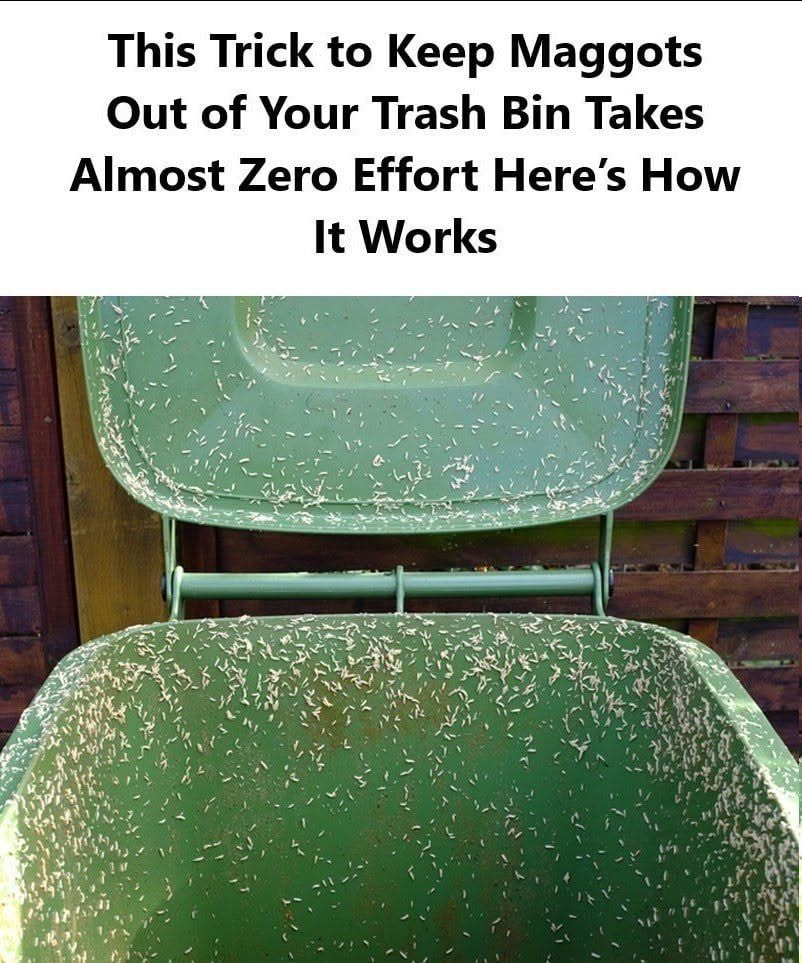
Seal food waste carefully. Remove particularly smelly garbage sooner rather than later. Keep meat and fish scraps frozen until collection day when practical. Check for leaking bags and make sure the outdoor container closes completely.
After collection day, take a quick look inside the empty container. If you notice liquid or food residue, cleaning it immediately is easier than waiting until odors and insects become noticeable.
Can Maggots Appear Overnight?
It can certainly seem that way.
Fly development is strongly influenced by species and environmental conditions, particularly temperature. Under favorable conditions, eggs can hatch relatively quickly.
This means a fly may have visited the garbage before anyone noticed a problem, with the larvae becoming visible later.
The apparent sudden appearance of maggots is therefore part of the fly life cycle rather than spontaneous generation inside the garbage.
Does Finding Maggots Mean Your Home Is Dirty?
Not necessarily.
A fly only needs an opportunity to reach suitable organic material. Even a generally clean household can experience the problem after a garbage bag is left open, food waste is stored too long during hot weather, or a small amount of residue leaks into a container.
Rather than viewing the problem as a sign of poor housekeeping, treat it as evidence that flies found temporary access to suitable breeding material.
Then remove that opportunity.
The Most Effective Prevention Strategy
There is no single miracle ingredient required to keep maggots away.
The most reliable approach combines several simple habits: contain food waste, close bags securely, empty garbage regularly, keep the container clean and relatively dry, and prevent flies from entering by keeping the lid closed.
These steps address the conditions that allow the fly life cycle to continue.
A Simple Weekly Checklist
Check whether the lid closes correctly and inspect the bottom of the bin for liquid or residue.
Make sure garbage bags are securely tied and not overfilled.
After collection, clean the container when necessary and allow it to dry.
During periods of hot weather, pay extra attention to meat, seafood, dairy products, spoiled produce, and other rapidly decomposing waste.
These small habits take only a few minutes but can make the garbage area considerably cleaner and less attractive to flies.
Final Thoughts
Maggots in a garbage bin are unpleasant, but their presence has a straightforward biological explanation. Adult flies found suitable organic waste, laid eggs, and the resulting larvae found the conditions they needed to develop.
Once you understand that process, prevention becomes much less mysterious.
Focus primarily on removing food residue and moisture rather than relying on fragrances or home remedies. Keep food waste securely contained, empty garbage regularly, clean spills and leaks, allow the bin to dry, and keep the lid firmly closed.
During hot weather, consider storing particularly odor-producing meat and fish scraps in a sealed container in the freezer until collection day.
If maggots do appear, remove the contaminated waste, clean the bin thoroughly, and investigate where flies gained access rather than simply masking the odor.
With a consistent waste routine, most household trash-bin maggot problems can be greatly reduced—and your next trip to the garbage can should be considerably less surprising.
