
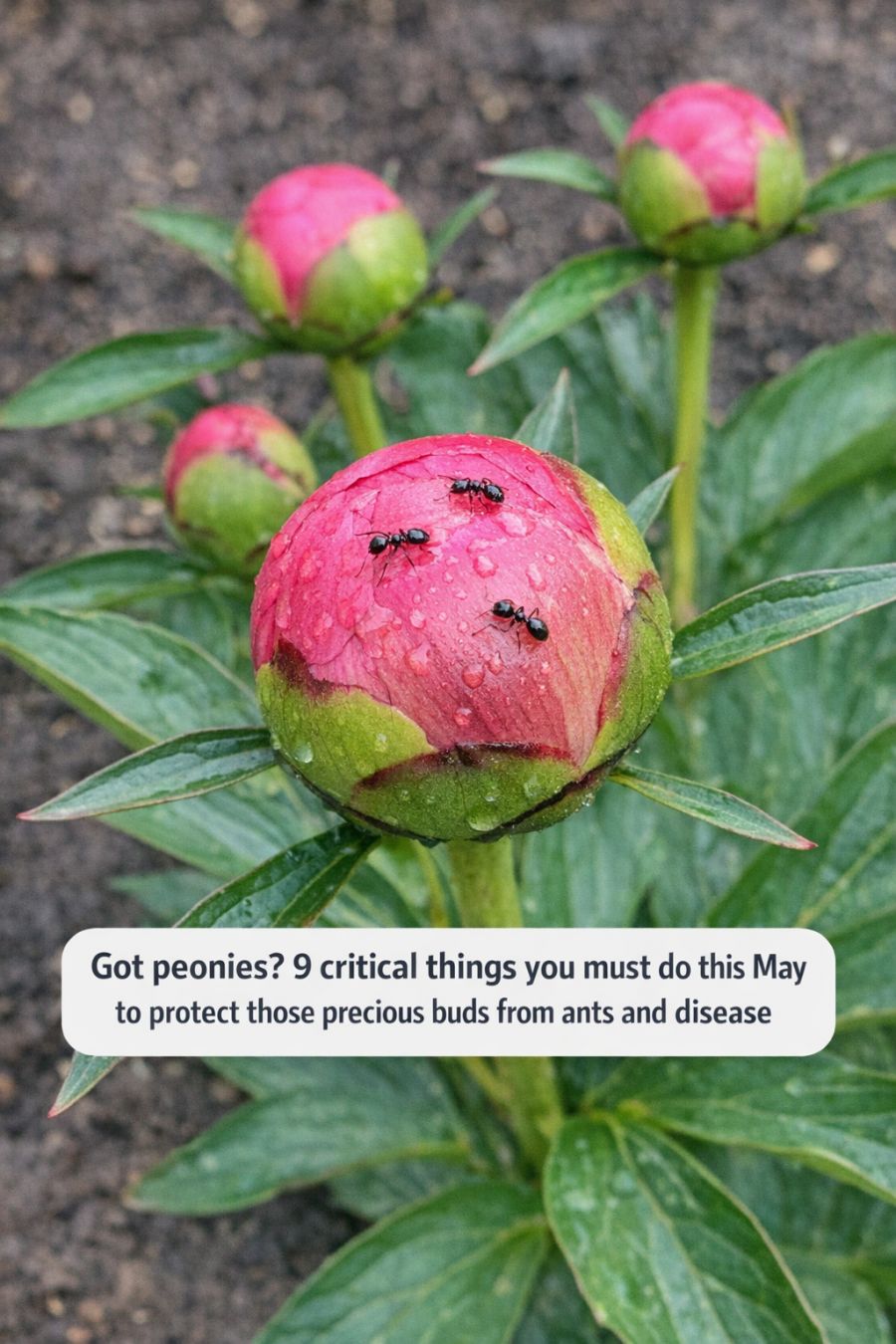
Peonies are a gardener’s delight, celebrated for their lush, fragrant blooms that can transform any garden into a vibrant display of color and life. However, as May approaches, these cherished plants face challenges from pests and diseases that can mar their beauty and stunt their growth. It’s crucial to take proactive steps to ensure your peonies thrive and bloom to their full potential.
This month, gardeners should focus on preventative care to keep their peonies healthy and robust. By implementing a few key strategies, you can protect your peony buds from ants, fungi, and other common threats. Here are nine critical actions to take this May to safeguard your peonies and ensure they grace your garden with their stunning blooms.
1. Start With a Clean Bed: Clear Debris to Stop Disease Before It Starts
A clean garden bed is the first line of defense against disease. Begin by removing any fallen leaves, dead stems, and other debris from around your peony plants. This debris can harbor fungal spores and insect pests that may harm your peonies. Use a rake or your hands to carefully clear the area around each plant, ensuring that the soil is free of unwanted materials.
It’s also important to check for weeds that could compete with your peonies for nutrients and water. Pull these weeds by hand or use a hoe to cut them at the base. Aim to keep a clear radius of at least 12 inches around each plant to allow for good air circulation, which can prevent fungal diseases from taking hold.
2. Inspect Every Stem: Spot Botrytis and Other Peony Killers Early
Regular inspection of your peonies is crucial for early detection of diseases such as botrytis blight, which can quickly damage your plants if left unchecked. Look closely at each stem and bud for signs of disease, such as dark spots, wilting, or moldy growth. Botrytis, in particular, can cause buds to turn brown and fail to open, so catching it early is essential.
If you notice any suspicious signs, prune the affected areas using sterilized garden shears. Be sure to cut several inches below the diseased area to ensure all infected tissue is removed. Dispose of the cuttings away from your garden to prevent the spread of spores.
3. Prune Smartly: Remove Infected Growth Without Sacrificing Buds
Pruning is a delicate task that requires care to avoid damaging healthy growth. Focus on removing any dead or diseased stems, making cuts at a 45-degree angle to promote healing and prevent water accumulation on the cut surface. Always use sharp, clean tools to make precise cuts and reduce the risk of introducing infection.
Take care not to remove too much foliage, as leaves are essential for photosynthesis and overall plant health. Aim to prune only what is necessary to maintain a balanced, healthy plant structure. This approach will encourage strong, vigorous growth and an abundance of blooms.
4. Mulch the Right Way: Keep Soil Moist but Foliage Dry
Mulching is an effective way to conserve soil moisture and suppress weeds, but it’s important to apply it correctly to protect your peonies. Spread a 2-3 inch layer of organic mulch, such as shredded bark or straw, around the base of each plant. Keep the mulch at least 2 inches away from the stems to prevent moisture buildup that could lead to rot.
The mulch should help maintain consistent soil moisture without causing the foliage to become damp. This balance is crucial for preventing fungal diseases that thrive in humid conditions. Monitor the mulch layer throughout the season and replenish it as needed to maintain its effectiveness.
5. Water at the Base: Prevent Wet Foliage That Invites Fungus
Proper watering techniques can make a significant difference in the health of your peonies. Always water at the base of the plants, directing the flow towards the root zone rather than the foliage. This method helps prevent wet leaves, which are a breeding ground for fungal spores like powdery mildew.
Aim to water deeply and infrequently, providing about 1 to 1.5 inches of water per week, including rainfall. This encourages deep root growth and reduces the risk of overwatering, which can lead to root rot or other moisture-related issues.
6. Support Heavy Stems: Stake Peonies So Buds Don’t Sag Into Trouble
Continued on next page:
Pages: 1 2
