Secure the stems gently with soft ties, ensuring they have room to grow without being constricted. Proper support will keep the buds off the ground, reducing the risk of soil-borne diseases and ensuring your blooms are showcased to their fullest potential.
7. Use Ant-Safe Tactics: Manage Ants Without Harming Peony Allies
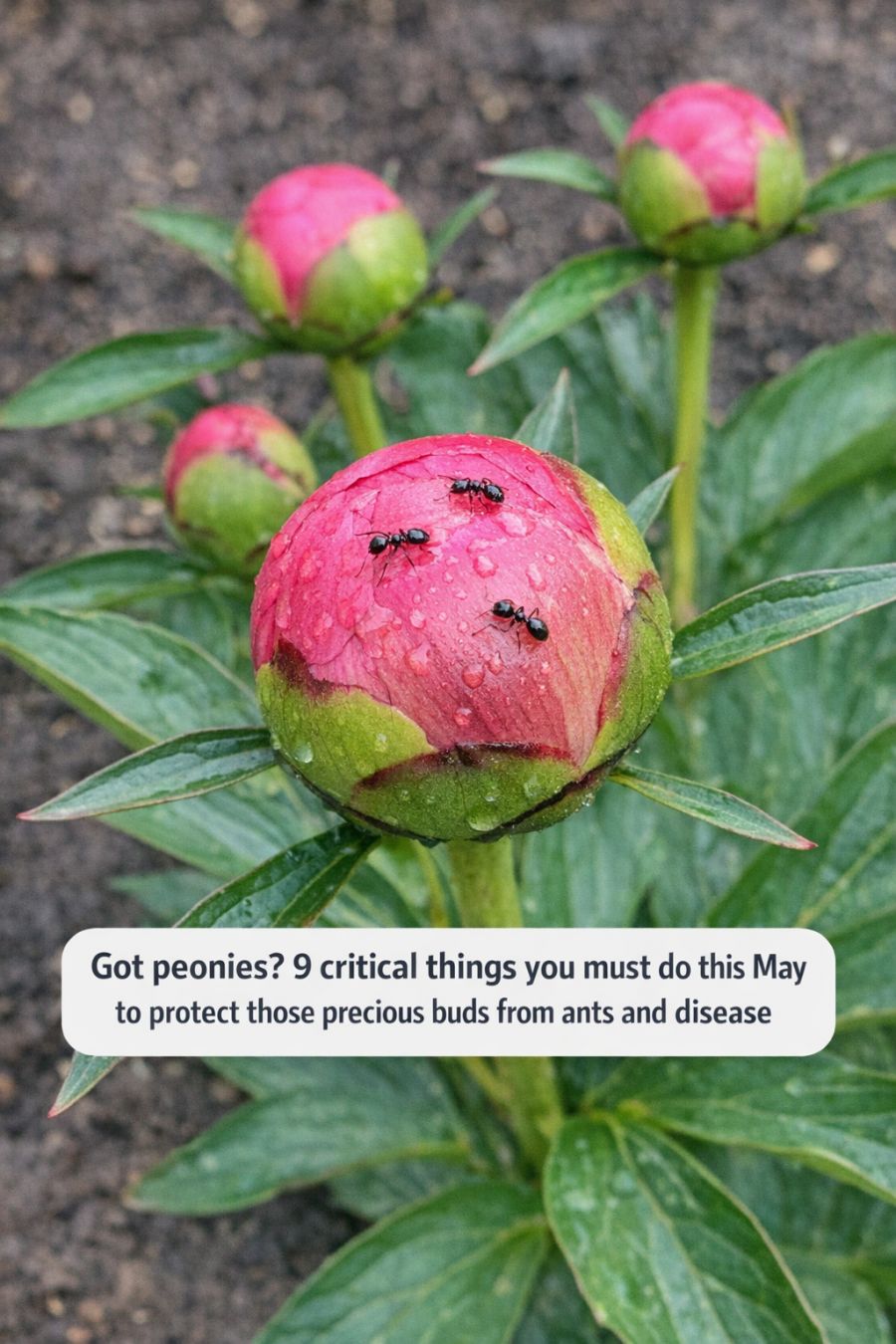
Ants are often seen crawling over peony buds, attracted by the sweet nectar they produce. While ants do not harm the plants directly, they can be a nuisance. Use ant-safe tactics to manage their presence without harming beneficial insects.
Create a barrier by sprinkling diatomaceous earth around the base of your plants, which will deter ants without affecting pollinators. Alternatively, you can use a mild soapy water solution to gently wash the ants off the buds. Avoid harsh chemicals that could harm the ecosystem of your garden.
8. Skip the Sugar Tricks: Avoid Myths That Attract More Ants and Mold
Some gardeners believe that sprinkling sugar on peony buds will encourage ants to open the flowers, but this is a myth. In fact, adding sugar can exacerbate ant problems and promote mold growth on your plants. Peonies do not need ants to bloom, as the flowers will open naturally when they are ready.
Focus instead on providing your peonies with the right care and environment to thrive. By maintaining healthy plants and following sound gardening practices, you can enjoy a beautiful bloom without relying on sugar tricks.
9. Feed Lightly: Apply Balanced Fertilizer Without Overstimulating Soft Growth
Feeding your peonies can promote healthy growth, but it’s important to use the right amount and type of fertilizer. Choose a balanced, slow-release fertilizer with an N-P-K ratio of 10-10-10 or similar, and apply it in early spring as new growth begins.
Avoid over-fertilizing, as excess nutrients can lead to soft, weak growth that is susceptible to disease and damage. Apply the fertilizer according to package instructions, generally around 1 cup per plant, and water it in well to help the nutrients reach the root zone. This approach will support healthy development and abundant blooms.