
Got hydrangeas? 8 spacing errors in April that guarantee disease and disappointing flowers

6. Lining Paths and Walkways With Hydrangeas That Get Brushed
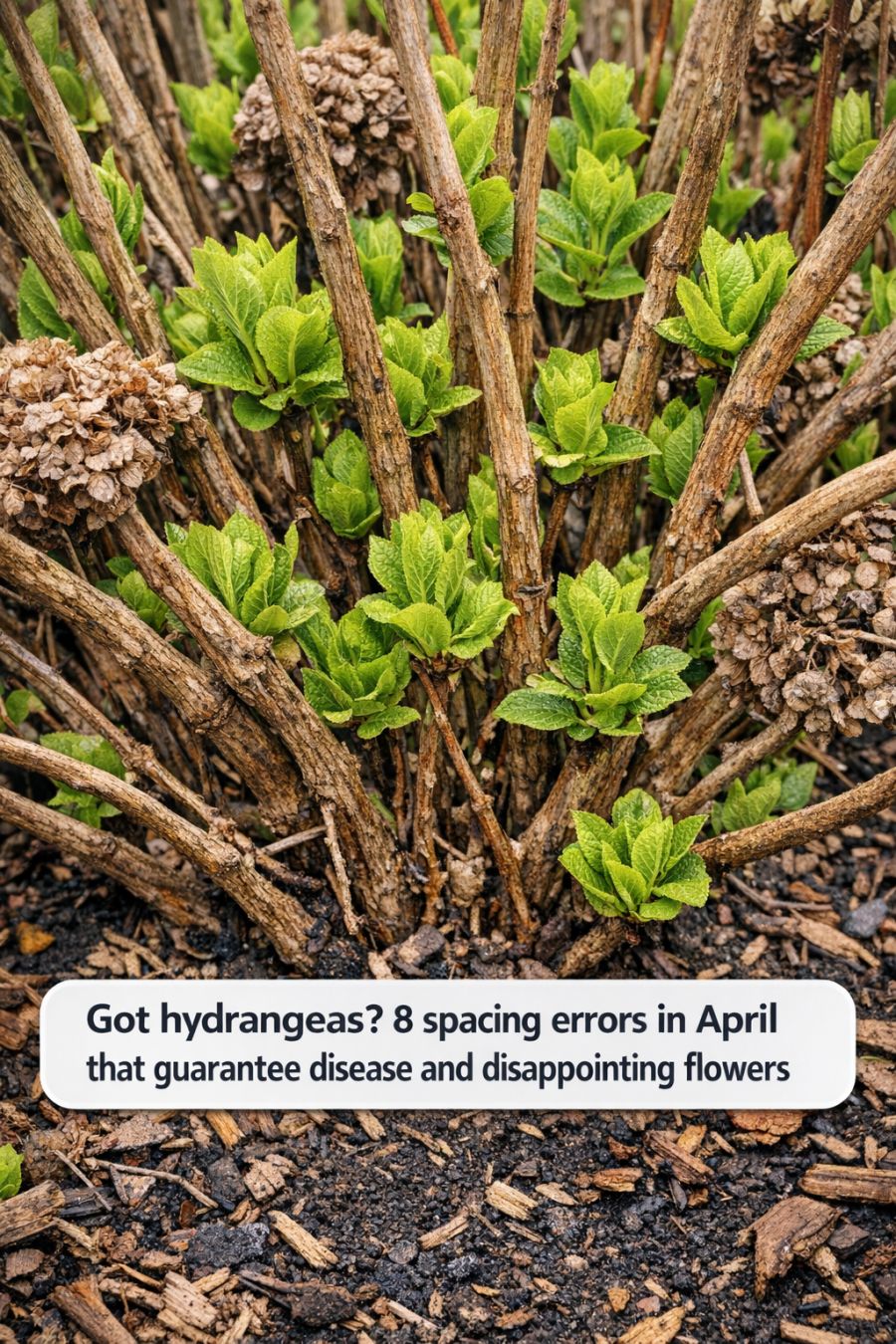
Lining paths and walkways with hydrangeas can lead to damaged plants if they are planted too close to where people walk. The frequent brushing against delicate branches and blooms can cause physical damage and stress to the plants.
To avoid this, plant hydrangeas at least 3 feet away from walkways and paths. This distance ensures that the plants have room to grow without being disturbed by foot traffic, allowing them to maintain their structure and produce healthy blooms.
7. Mixing Sun-Lovers and Shade-Lovers at the Same Spacing
Not all hydrangeas have the same sunlight requirements, and spacing them accordingly is crucial. Some hydrangeas prefer full sun, while others thrive in partial to full shade. Planting them at the same spacing regardless of their light needs can result in uneven growth and flowering.
When planting sun-loving and shade-loving hydrangeas, consider their specific needs and space them accordingly. For example, sun-loving varieties may require more space to prevent competition for light, while shade-loving varieties may need less spacing to retain moisture and coolness.
8. Treating Container and In-Ground Spacing the Same Way
Spacing requirements for hydrangeas in containers differ from those planted in the ground. Container-grown hydrangeas need to be spaced with consideration for their pot size and the surrounding environment.
In containers, hydrangeas should have enough space to allow for proper drainage and prevent root binding. Ensure that container plants are not crowded with other pots, as this can limit airflow and sunlight exposure. For in-ground hydrangeas, following the recommended spacing based on their mature size is key to ensuring healthy growth and vibrant blooms.

Leave a Comment