
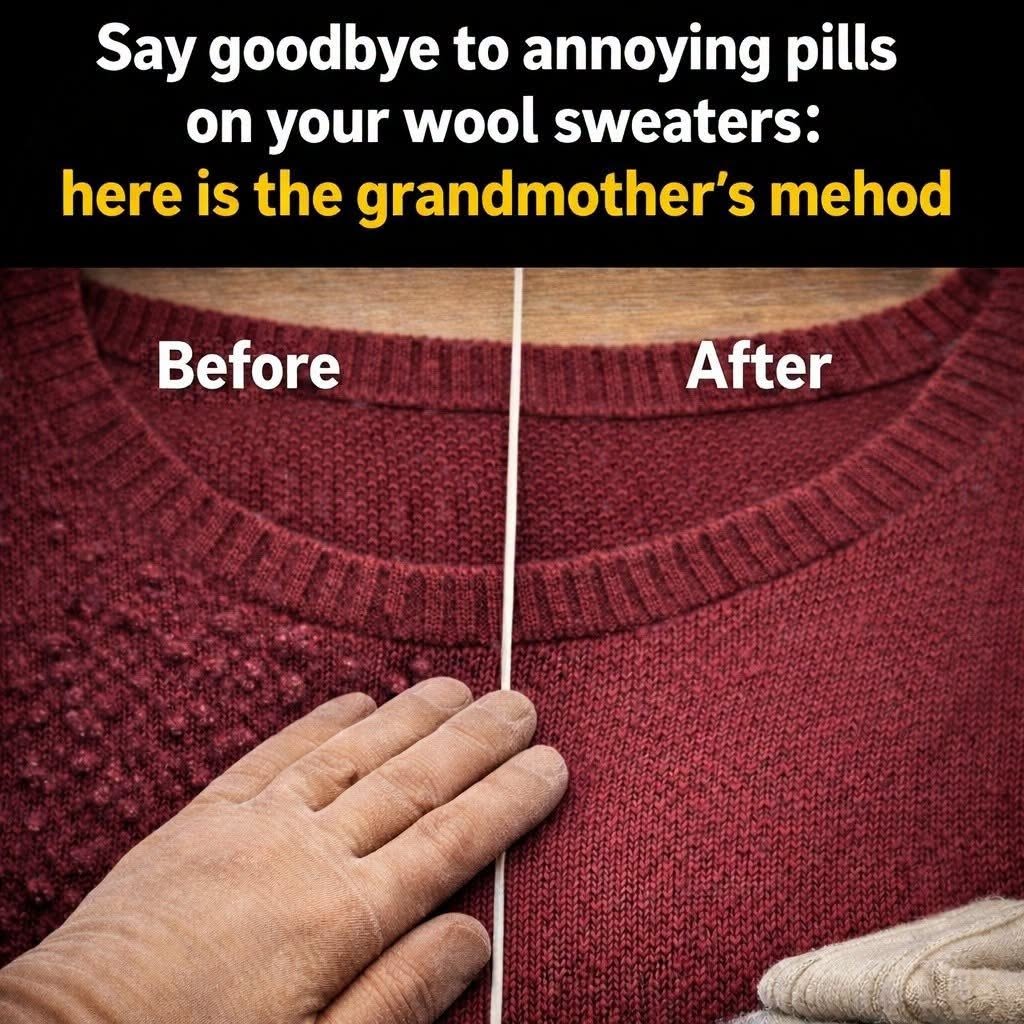
Why Wool Sweaters Get Those Annoying Little Pills …and How to Remove Them Safely
Have you ever pulled your favorite wool sweater out of the closet only to discover it’s covered in tiny fuzz balls? No matter how carefully you care for your clothes, those little pills seem to appear out of nowhere, making even a beloved sweater look worn and aged.
The good news? Pilling is completely normal—and understanding why it happens is the first step toward keeping your knitwear looking fresh, elegant, and cozy for years to come.
Why Do Wool Sweaters Pill?
Before searching for a quick fix, it helps to understand what’s actually happening.
Pilling isn’t a sign of poor quality or improper care. In fact, it’s a natural characteristic of wool and other soft fibers, such as cashmere. These materials are made up of fine, flexible fibers that move and rub against one another during everyday wear.
Every time your sweater comes into contact with a coat, handbag strap, seatbelt, or even a chair, friction causes loose fibers to rise to the fabric’s surface. Over time, these fibers tangle together and form the small balls we know as pills.
Here’s the surprising part: the softer and finer the fiber, the more likely it is to pill. That’s why luxurious, high-quality sweaters can sometimes develop pills faster than heavier or rougher fabrics.
Washing Can Make It Worse
Another major contributor to pilling is washing.
During a wash cycle, garments rub against the drum and against each other. Water, detergent, and movement create countless microscopic frictions that gradually loosen fibers and encourage pilling.
While these tiny changes aren’t visible right away, they eventually become noticeable, especially in areas exposed to frequent wear.
Where Do Pills Usually Appear?
 Continued on the next page
