
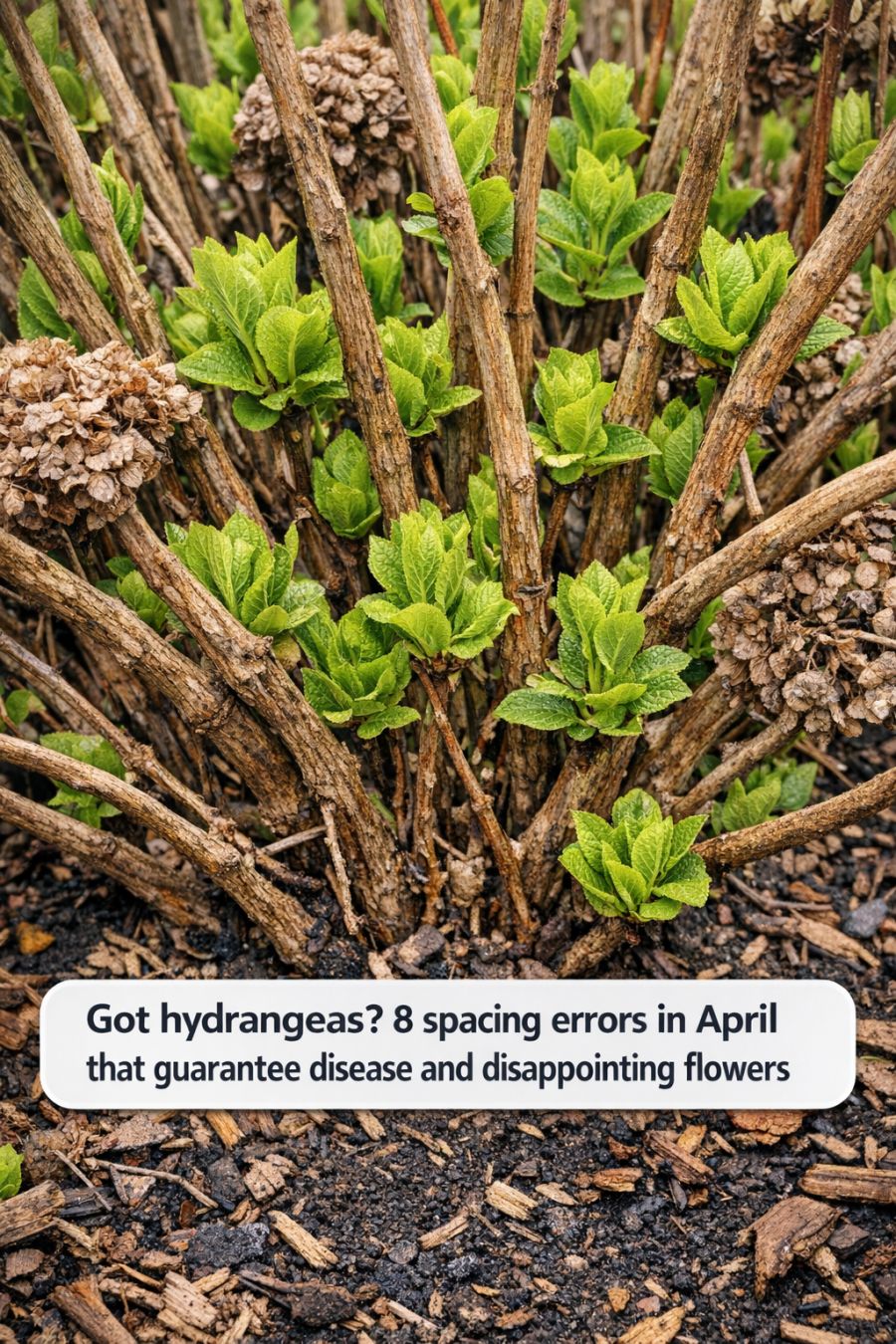
Hydrangeas are a beloved staple in many gardens, renowned for their stunning blooms and relatively easy maintenance. However, even the most ardent garden enthusiasts can make mistakes when it comes to planting these beauties. One of the most common pitfalls is improper spacing, especially in the early spring month of April. When hydrangeas are improperly spaced, they become susceptible to diseases, and their blooms may not reach their full potential. Understanding the nuances of spacing can make a significant difference in the health and vibrancy of your hydrangeas.
In this article, we’ll explore the top eight spacing errors gardeners often make with hydrangeas in April. By avoiding these mistakes, you’ll ensure that your hydrangeas are not only healthy but also produce the breathtaking flowers they’re known for. Let’s delve into these common errors and how to avoid them for the best gardening results.
1. Planting Hydrangeas Practically on Top of Each Other
One of the most common mistakes is planting hydrangeas too close to each other. While it may be tempting to create a dense, lush look, this can backfire. Hydrangeas need space to grow and spread, which means they should be planted at least 3 to 10 feet apart, depending on the variety. For example, larger varieties such as ‘Mophead’ hydrangeas can require up to 10 feet of spacing, whereas smaller varieties like ‘Annabelle’ might only need 3 to 4 feet.
Without adequate spacing, hydrangeas can compete for nutrients and water, leading to stunted growth. Additionally, overcrowded plants can become breeding grounds for diseases such as powdery mildew and leaf spot, as the lack of airflow encourages fungal growth.
2. Ignoring Mature Size on the Plant Tag
When purchasing hydrangeas, it’s crucial to pay attention to the mature size indicated on the plant tag. This information provides guidance on how much space each plant will need once fully grown. Many gardeners mistakenly assume that the plants will always remain the size they are at purchase, leading to overcrowding as they mature.
For instance, if a hydrangea is expected to reach a mature width of 6 feet, ensure there is a 3-foot radius around the plant when initially spacing them. This foresight prevents the need for future transplanting and reduces the risk of diseases by maintaining proper airflow.
3. Crowding Hydrangeas Against Walls, Fences, and Foundations
Another common error is planting hydrangeas too close to walls, fences, or building foundations. These structures can impede the natural growth of the plant and limit its access to essential sunlight and air circulation. Hydrangeas should ideally be planted at least 2 to 3 feet away from such structures.
When hydrangeas are too close to a wall or fence, the restricted airflow can lead to increased humidity around the plant, making it more susceptible to fungal infections. Moreover, hydrangeas planted too close to foundations can interfere with root systems and potentially cause structural issues over time.
4. Forgetting Airflow Between Hydrangeas and Neighboring Shrubs
Airflow is vital for the health of hydrangeas, yet many gardeners overlook this aspect when spacing their plants. Ensuring proper spacing between hydrangeas and neighboring shrubs is essential to prevent the spread of disease and promote healthy growth. Aim for at least 2 to 3 feet of space between hydrangeas and other shrubs.
Adequate spacing allows for better air circulation, reducing the likelihood of diseases such as botrytis blight. It also ensures that each plant receives enough sunlight and nutrients, leading to more robust and abundant blooms.
5. Squeezing Hydrangeas Into Narrow Beds and Corners
Hydrangeas are often squeezed into narrow garden beds or corners, where they do not have enough room to spread their roots and branches. This can hinder their growth and lead to poor flowering. Ideally, hydrangeas should be planted in areas where they have ample room to expand both above and below ground.
When designing your garden layout, ensure that the beds are wide enough to accommodate the mature size of the hydrangeas. This will not only prevent overcrowding but also enhance the overall aesthetic appeal of your garden by allowing each plant to reach its full potential.
