
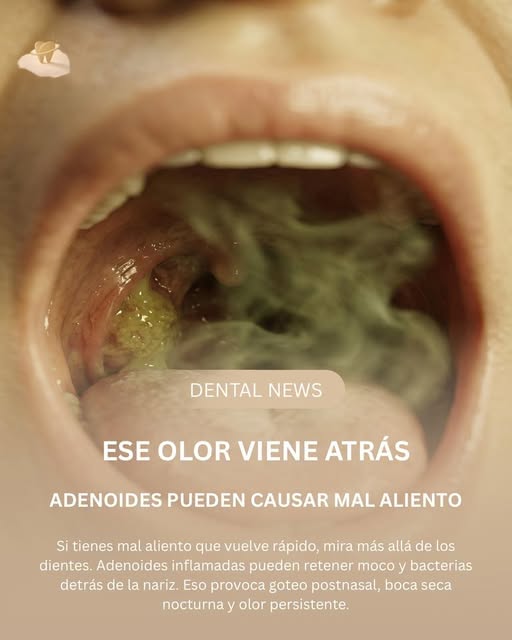
 When Should You See a Doctor?
If bad breath persists despite good oral hygiene — especially when combined with nasal symptoms — consult a healthcare provider.
An ENT specialist can evaluate the adenoids using:
• Nasal endoscopy
• Physical examination
• Imaging (in some cases)
In some situations, treatment may include:
-
Nasal sprays
-
Antibiotics (if infection is present)
-
Allergy management
-
Adenoid removal (adenoidectomy) in chronic cases
Surgery is not always necessary — but proper diagnosis is essential.
 What You Can Do in the Meantime
While waiting for medical evaluation, these steps may help:
 Maintain excellent oral hygiene Use saline nasal rinses Stay hydrated Treat allergies properly Avoid smoking exposure Use a humidifier at night
These measures may reduce bacterial buildup and inflammation.
 Don’t Ignore Persistent Halitosis
Chronic bad breath isn’t just a social issue — it can be a sign of:
-
Sinus infections
-
Enlarged adenoids
-
Tonsil stones
-
Gastrointestinal issues
-
Chronic inflammation
If the problem doesn’t improve with brushing and flossing, your body may be signaling something deeper.
 The Takeaway
Bad breath that doesn’t improve with proper dental care should never be dismissed.
Sometimes the source isn’t your teeth…
It’s hidden behind your nose.
Early evaluation can prevent:
• Recurrent infections
• Sleep problems
• Breathing issues
• Social discomfort
And most importantly — it gives you the right treatment instead of guessing.
