
5) Turmeric (with black pepper): The inflammation calmer
Turmeric’s curcumin is studied for inflammation-related pathways.
When inflammation is lower, vessels may function more smoothly.
Black pepper can enhance absorption, which is why people pair them.
Use turmeric in eggs, soups, or a warm latte-style drink—whatever you’ll repeat.
If you’re thinking, “I want something that feels noticeable,” keep reading.
The next category often makes people feel a difference in energy and warmth faster.
6) Red berries: Flavonoids that protect vessel lining
Blueberries, strawberries, raspberries, and blackberries contain flavonoids.
These compounds are researched for their relationship to nitric oxide and vascular health.
They also make it easy to replace processed sweets with something that tastes like a treat.
Frozen berries count—so you can stay consistent without fancy shopping.
7) Oranges (and citrus segments): Capillary support you can taste
Citrus provides vitamin C and plant compounds like hesperidin.
These are studied in the context of blood vessel integrity and function.
Many people notice less “end-of-day heaviness” when their diet supports stronger microcirculation.
Choose whole fruit over juice to avoid a sugar spike.
8) Green tea: Catechins for vessel elasticity support
Green tea contains catechins studied for antioxidant and vascular effects.
For some people, it supports a gentler blood pressure pattern and steadier energy.
Two cups per day can be a practical routine.
If caffeine affects your sleep, keep it earlier in the day.
Now for the indulgent twist—because “circulation food” doesn’t have to taste like homework.
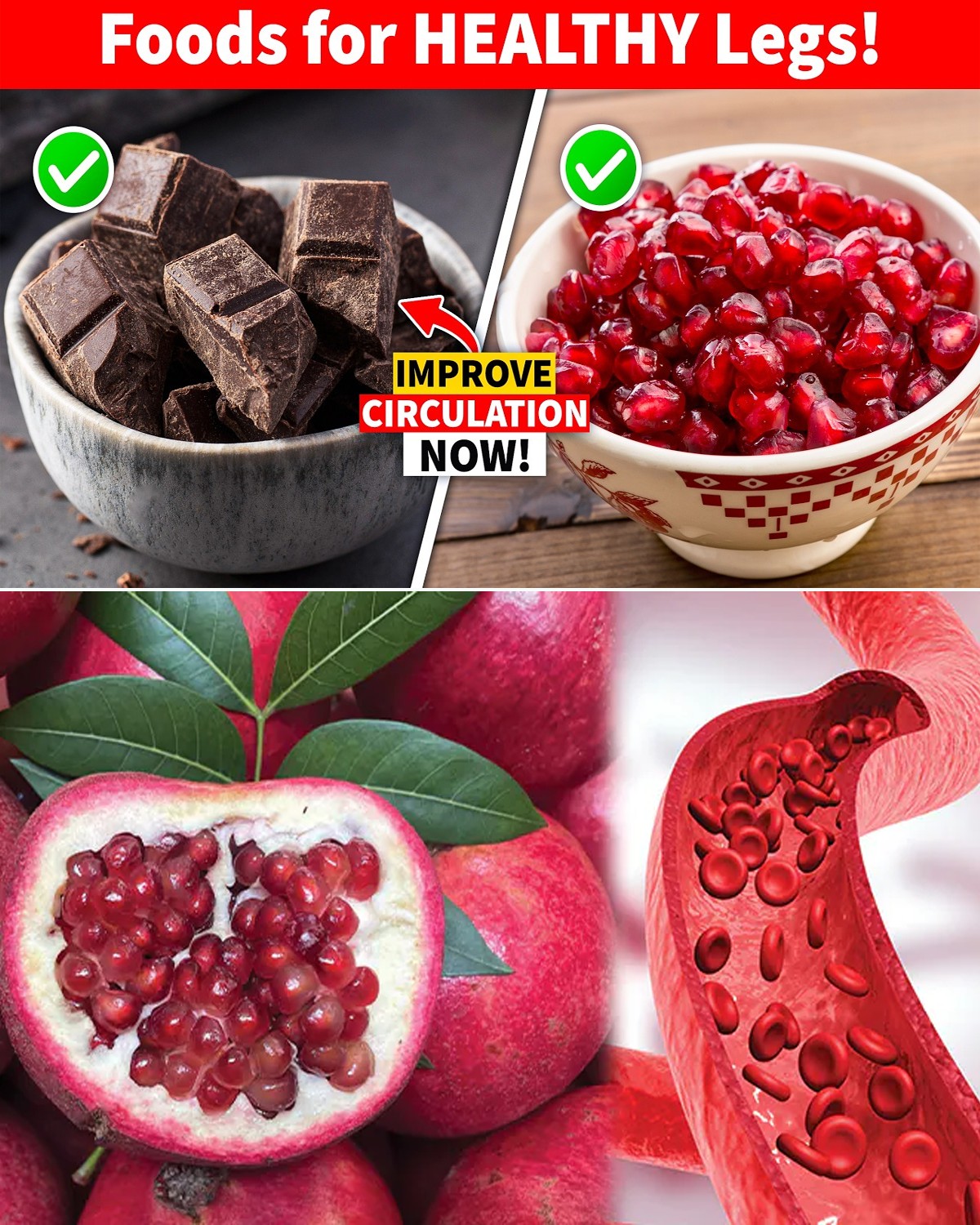
9) Dark chocolate (70%+): A dessert that can be functional
Cocoa flavonoids are studied for their effect on nitric oxide and endothelial function.
That’s why some people feel a subtle “warmth” or “lighter legs” sensation with consistent intake.
The key is portion: think a small square or two, not half a bar.
Choose 70% cacao or higher to keep added sugar lower.
But the fastest circulation shift for many people comes from nitrates.
And the next food is one of the most nitrate-packed options available.
10) Spinach: The nitrate-loaded green your legs may love
Dietary nitrates can convert to nitric oxide in the body.
That nitric oxide helps vessels relax and improves blood flow dynamics.
Spinach is an easy daily add—salads, smoothies, sautéed sides, soups.
If you’re on blood thinners, talk to your clinician about consistent vitamin K intake.
11) Ginger: The warming spice that supports comfort

Ginger contains compounds studied for inflammation and circulation-related comfort.
People often describe it as “warming” from the inside out.
Add it to tea, stir-fries, oatmeal, or smoothies.
It’s especially useful when cold feet come with stiffness.
12) Celery: The crunchy pressure-support helper
Celery contains nitrates and other plant compounds studied for blood pressure support.
Lower pressure can make it easier for blood to reach extremities in some people.
Eat it as a snack, chop it into soups, or blend it with cucumber if you like juices.
Watch sodium if you rely on salty dips—those can cancel the benefit.
13) Pomegranate: Polyphenols that protect and support flow

Pomegranate contains polyphenols studied for antioxidant effects in vessel health.
Some people use the arils on yogurt, salads, or oatmeal.
If you prefer juice, keep it small and unsweetened when possible.
It’s a “little luxury” food that can help your routine feel rewarding.
And now the champion—often the fastest noticeable shift for leg warmth and endurance.
