
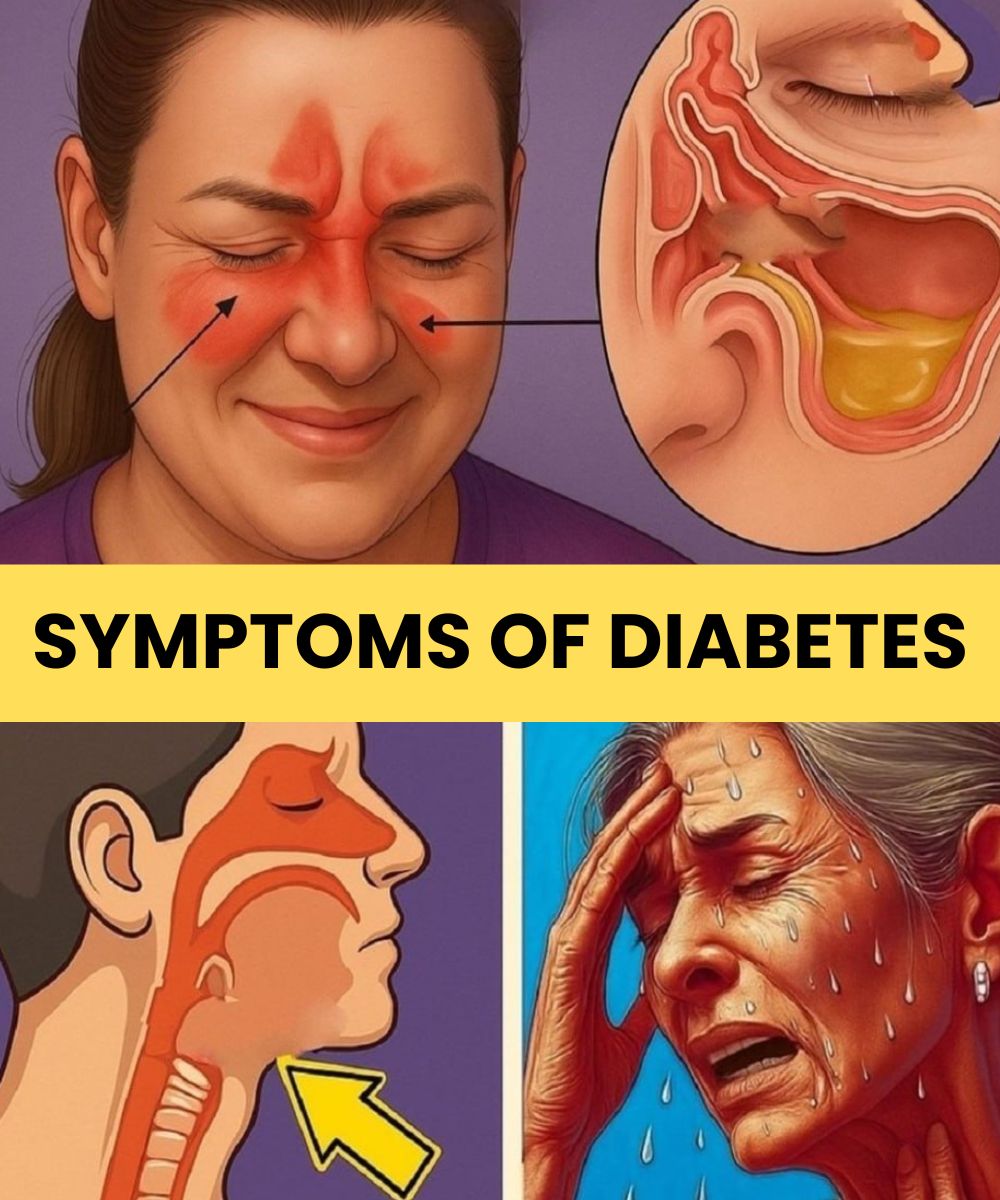
Type 2 diabetes often develops slowly, which is why many people fail to recognize the warning signs in the early stages. The symptoms may appear mild or seem unrelated at first, but ignoring them can lead to serious health complications over time. Early detection is extremely important because lifestyle changes and treatment can help prevent damage to the heart, kidneys, nerves, and eyes.
Below are some of the most common early symptoms of Type 2 diabetes that people frequently overlook.
1. Constant Fatigue
Feeling tired all the time is one of the earliest signs of Type 2 diabetes. Many people assume exhaustion comes from stress, lack of sleep, or a busy lifestyle. However, when blood sugar levels are too high, the body cannot properly use glucose for energy.
As a result, even after a full night’s sleep, a person may still feel weak, sluggish, or mentally drained throughout the day.
2. Increased Thirst and Frequent Urination
Excess sugar in the bloodstream forces the kidneys to work harder to remove it through urine. This causes the body to lose more fluids than normal, leading to dehydration.
People with early diabetes often notice:
- Constant thirst
- Dry mouth
- Frequent trips to the bathroom
- Waking up several times during the night to urinate
These symptoms are often ignored because they can develop gradually.
3. Constant Hunger

Another hidden symptom of Type 2 diabetes is feeling hungry even after eating. When insulin does not work properly, glucose cannot enter the body’s cells effectively. Although there is sugar in the bloodstream, the cells still lack energy.
This may cause:
- Frequent cravings
- Increased appetite
- Overeating
- Unexplained weight gain
4. Blurred Vision
High blood sugar levels can affect the small blood vessels in the eyes. Some people notice blurry vision, difficulty focusing, or temporary eyesight changes before being diagnosed with diabetes.
Because vision problems are common with aging or screen use, many people fail to realize blood sugar may be the real cause.
5. Slow Healing and Frequent Infections
Cuts, bruises, or wounds that heal slowly can be an early warning sign of diabetes. High glucose levels weaken the immune system and reduce blood circulation, making it harder for the body to repair itself.
People may also experience:
- Frequent skin infections
- Gum infections
- Urinary tract infections
- Recurring yeast infections
6. Tingling or Numbness in Hands and Feet
Elevated blood sugar can damage nerves over time, especially in the hands and feet. Early symptoms may include:
- Tingling sensations
- Burning feelings
- Numbness
- Sharp pain in the extremities
This condition is called diabetic neuropathy and often begins gradually.
7. Dark Patches of Skin
Continued on next page:
