
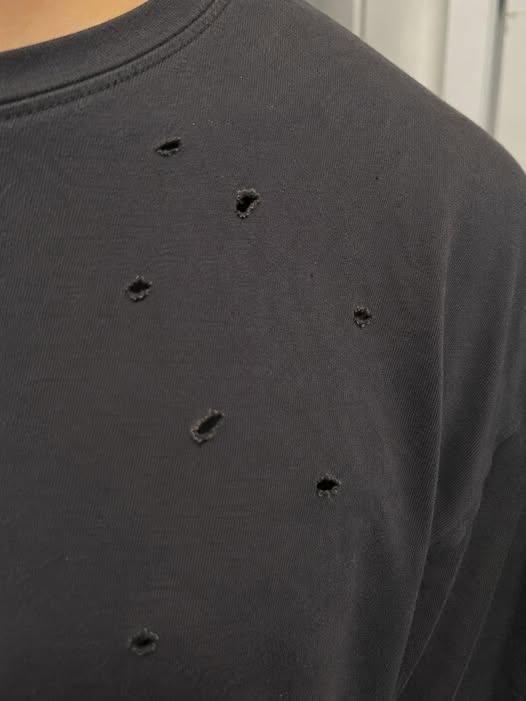
One of the things I was wrong about initially was how damaging my washing machine was being to my wardrobe.
Every couple of weeks, I would pick up a T-shirt and find a hole in the bottom. Initially, I didn’t think anything of it and continued to put off fixing the problem. As more T-shirts began developing the same type of damage, I became increasingly frustrated each time I did laundry.
What was unique about the situation was that the problem was limited to specific types of clothing. My cotton T-shirts were developing holes, but my jeans, sweaters, and dress shirts were fine. It was maddening. I blamed the washing machine. I blamed the detergent. I blamed cheap fabric. I blamed everything except the actual culprit.
Then I did some research. I talked to a appliance repair technician. I read laundry forums. I learned that holes in clothing are generally caused by multiple events occurring together. While some reasons for damage were obvious once I noticed them, others genuinely surprised me.
The holes weren’t random. They weren’t moths (I checked). They weren’t just “cheap clothes falling apart.”
They were my fault. And once I understood why, I stopped them completely.
Fortunately, most common issues related to fabric damage are easily avoided without spending money on specialized products or purchasing a new appliance. Simple changes to routine have greatly improved the longevity of my clothes.
Let me break down what’s really causing those holes—and how you can stop them before they start.
The Surprising Culprits (What’s Actually Causing the Damage)
Let me walk you through the most common causes of mysterious holes.
Home Appliances
1. Your Washing Machine’s Agitator (The #1 Culprit)
What’s Making Holes in Your Clothes? Causes and Easy Ways to Prevent Them
What’s Making Holes in Your Clothes? Causes and Easy Ways to Prevent Them
This is what was destroying my T-shirts.
What it is: The center post in a top-loading washing machine that twists back and forth to move clothes through the water.
How it causes holes: Agitators have rough edges, small screws, or metal seams where the agitator connects to the base of the washer. Over time, these edges can catch on delicate fabrics (especially thin cotton T-shirts) and tear small holes.
The pattern: Holes typically appear near the bottom hem of shirts or near seams. They’re often small, round, or slightly oblong. They happen consistently to the same types of fabric.
The fix: Run your hand along the agitator. Feel for rough spots, sharp edges, or loose screws. Sand down rough spots with fine-grit sandpaper. Tighten any loose screws. If the agitator is cracked or badly damaged, replace it (it’s usually inexpensive).
Pro tip: Switch to a front-loading washer or a top-loader without an agitator (impeller-style). These are much gentler on clothes.
2. The Dryer (Heat and Friction)
What it is: High heat and tumbling action can weaken fabric fibers over time.
How it causes holes: Repeated exposure to high heat makes fibers brittle. Friction from rubbing against other clothes (especially jeans with rivets or zippers) can wear thin spots into holes.
The pattern: Holes appear in high-friction areas (underarms, sides, bottom hems). They’re often accompanied by general thinning of the fabric.
The fix: Use lower heat settings. Remove clothes from the dryer while slightly damp. Dry delicate items on a drying rack. Zip zippers and fasten Velcro before drying (to prevent snagging).
3. Belt Buckles, Zippers, and Rivets
What it is: Hardware on your pants and jackets can snag and tear your shirts.
How it causes holes: When you sit or bend, the hardware on your pants (belt buckles, rivets, zipper pulls) rubs against the bottom of your shirt. Over time, this friction wears holes in the fabric.
The pattern: Holes appear on the lower front or back of shirts, exactly where they’d rub against pants.
The fix: Tuck in your shirt (prevents rubbing). Wear an undershirt as a barrier. Sand down any rough edges on buckles or rivets. Replace damaged hardware.
4. Sharp Edges on Furniture
What it is: Desks, counters, and tabletops can have sharp corners or rough edges.
How it causes holes: When you lean against a desk or counter, the fabric of your shirt catches on rough spots and tears.
The pattern: Holes appear on the front or sides of shirts, at the same height as the furniture you lean against.
The fix: Sand down rough edges on furniture. Be aware of how you lean. Tuck in your shirt.
5. Moths and Carpet Beetles (The Classic Culprits
What they are: Fabric-eating insects.
How they cause holes: Moth larvae and carpet beetle larvae feed on natural fibers (wool, silk, cotton). They’re attracted to dark, undisturbed areas (closets, drawers).
The pattern: Holes are irregular, often clustered in one area. You may also see webbing, casings, or small larvae.
The fix: Clean closets thoroughly. Vacuum regularly. Store wool and silk garments in airtight containers or garment bags. Use cedar blocks or lavender sachets (natural repellents). Freeze suspect garments for 72 hours to kill larvae.
6. Your Bra (Yes, Really)
What it is: Underwire bras can poke through the fabric and rub against shirts.
How it causes holes: When the underwire breaks through the bra casing, the sharp wire can poke holes in your shirt from underneath.
The pattern: Small holes on the front of shirts, near chest level. Holes correspond to the location of your bra’s underwire.
The fix: Replace bras when the underwire pokes through. Use a small piece of moleskin or fabric tape to cover exposed wire as a temporary fix.
7. Jewelry (Rings, Necklaces, Bracelets)
What it is: Sharp edges, prongs, or clasps on jewelry.
Textiles & Nonwovens
How it causes holes: When you pull a shirt over your head, a ring or bracelet can catch and tear the fabric. Necklaces can snag during wear.
The pattern: Holes appear near necklines, cuffs, or waistbands.
The fix: Remove jewelry before changing clothes. Smooth any rough edges on rings or clasps.
8. Pet Claws
What it is: Cats and dogs jumping on you can snag fabric with their claws.
How it causes holes: When your pet jumps onto your lap or chest, their claws can puncture or snag fabric.
The pattern: Small punctures or runs in the fabric, often near the chest, shoulders, or thighs.
The fix: Keep pet claws trimmed. Use a pet blanket or towel as a barrier. Train pets to jump onto furniture, not people.
9. The Washing Machine Drum (Hidden Holes)
What it is: Small holes or rough spots inside the washing machine drum.
 Continued on the next page
