
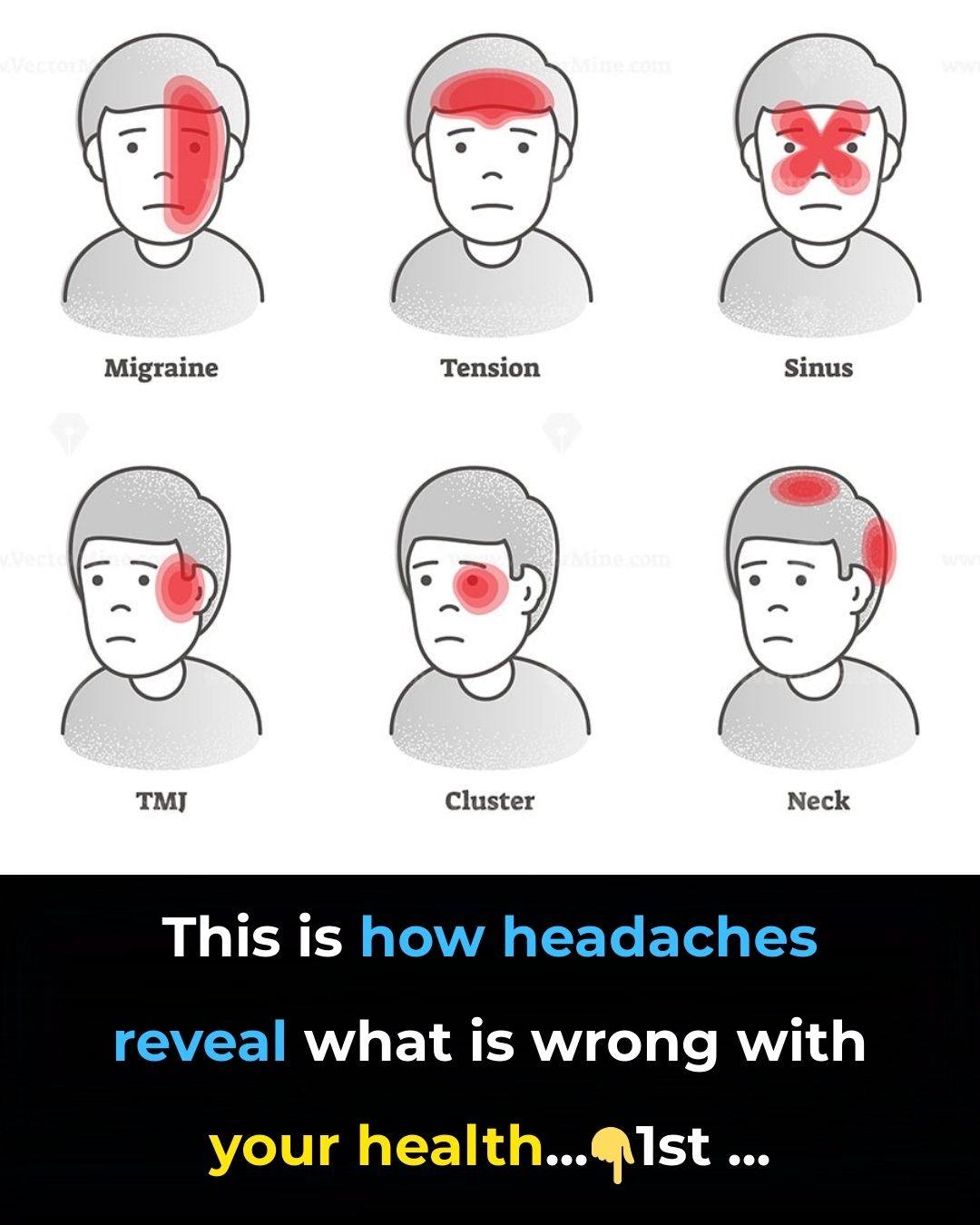
Headaches centered around the eyes, nose, or upper cheeks are often referred to as sinus-related discomfort. Congestion, seasonal changes, allergies, or pressure changes can contribute to this sensation.
Staying hydrated, managing allergies, and avoiding dry air may help reduce pressure in this area.
Jaw and Side-of-Face Pain
Pain near the jaw, ear, or side of the face may be linked to jaw tension or clenching habits. Stress, teeth grinding, or long periods of jaw tension can place strain on surrounding muscles.
Becoming aware of jaw posture, avoiding excessive clenching, and practicing relaxation can sometimes ease this type of headache.
Pain Behind One Eye
Sharp or focused pain behind one eye can feel intense and alarming. This type of headache is less common and often comes in episodes. Because this pain can be severe, it’s especially important not to self-diagnose and to seek professional guidance if it occurs frequently.
Pain Starting at the Neck and Moving Upward
Headaches that begin in the neck and spread upward toward the head are often related to muscle tension, posture, or prolonged sitting. Neck stiffness, poor workstation setup, or lack of movement can contribute.
Improving ergonomics, stretching regularly, and maintaining good posture may help reduce this discomfort.
Awareness Over Assumptions
It’s important to remember that headache location alone does not reveal a medical condition. Many factors—hydration, stress, sleep quality, posture, diet, and daily habits—play a role in how headaches develop.
Tracking when headaches occur, how long they last, and what may have triggered them can provide useful insight and help guide healthier routines.
When to Seek Professional Advice
If headaches are frequent, severe, worsening, or accompanied by other symptoms such as vision changes, confusion, or weakness, professional evaluation is important. Early guidance can provide reassurance and appropriate care.
The Takeaway
Headaches are signals, not diagnoses. Paying attention to patterns can help you better understand your body, reduce triggers, and support overall well-being. Awareness, balance, and timely support are key to managing discomfort safely and responsibly.
