
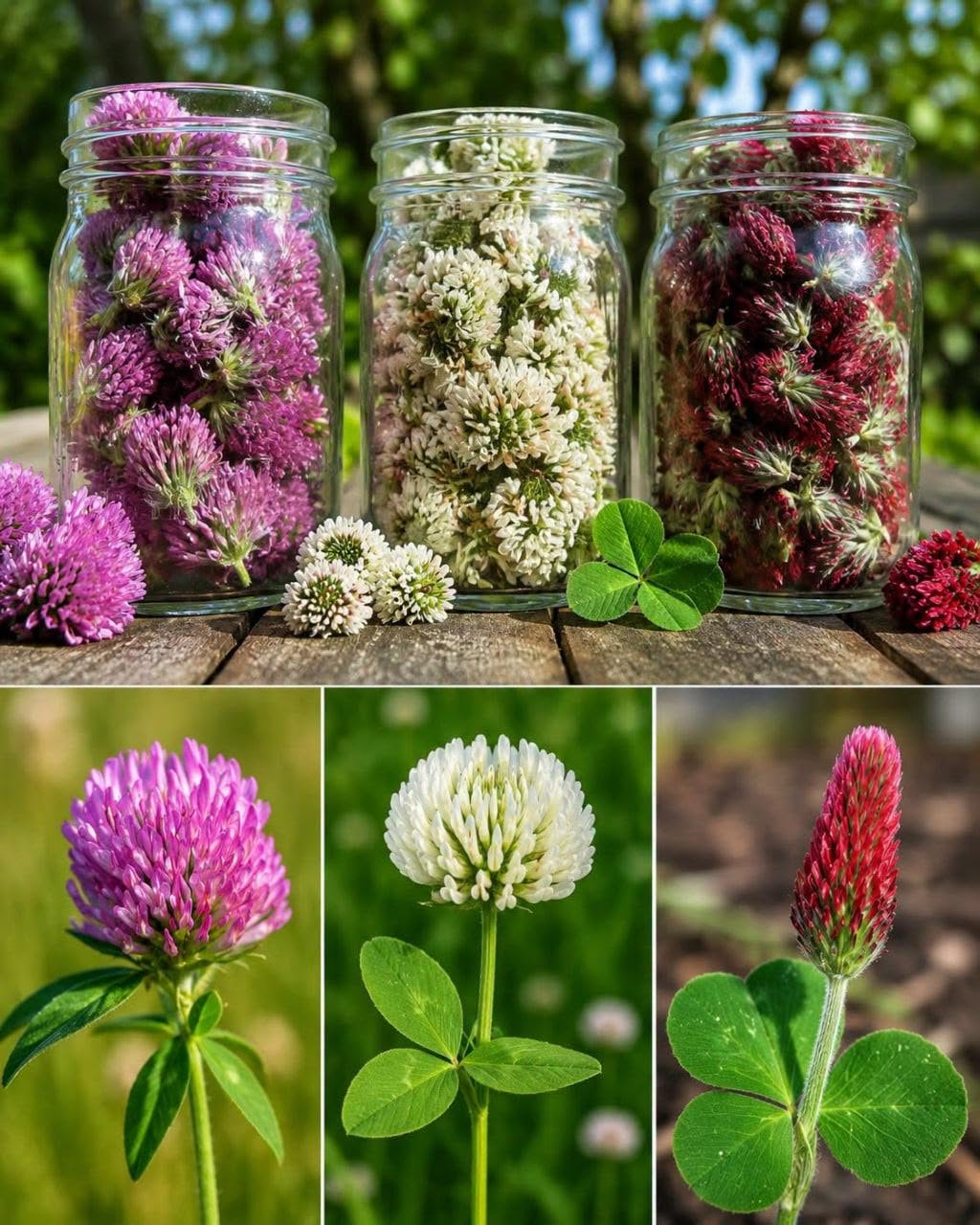
Using Crimson Clover as a Soil Booster
Plant crimson clover as a cover crop or green manure. Before it reaches full bloom, mow it down and incorporate the plant material into the soil. This adds valuable organic matter and naturally improves soil fertility.
Why Gardeners Love Clover
Clover is one of the easiest and most rewarding plants to grow. It requires little maintenance, improves biodiversity, attracts beneficial insects, and helps reduce the need for synthetic fertilizers. Many gardeners now intentionally add clover to lawns and garden spaces to create healthier ecosystems.
Because clover flowers provide abundant nectar, they play an important role in supporting bee populations and other pollinators that are essential for food production and healthy landscapes.
Important Considerations
Although clovers are generally considered safe when used in moderation, red clover contains phytoestrogens that may not be suitable for everyone. Individuals taking blood-thinning medications or those with hormone-sensitive conditions should consult a healthcare professional before using red clover medicinally.
As with any wild or medicinal plant, proper identification and responsible use are important.
Conclusion
White clover, red clover, and crimson clover are far more than attractive flowering plants. They contribute to healthier soil, support pollinators, provide edible leaves and flowers, and have a long history of traditional use in herbal wellness practices. Whether you want to improve your garden, create simple herbal preparations, or simply appreciate the beauty of these remarkable plants, clover offers a surprising range of benefits.
Disclaimer
This article is intended for educational purposes only and does not constitute medical advice. Always consult a qualified healthcare professional before using clover medicinally, especially if you are pregnant, breastfeeding, taking medications, or managing a medical condition. Proper plant identification and responsible use are essential.
