
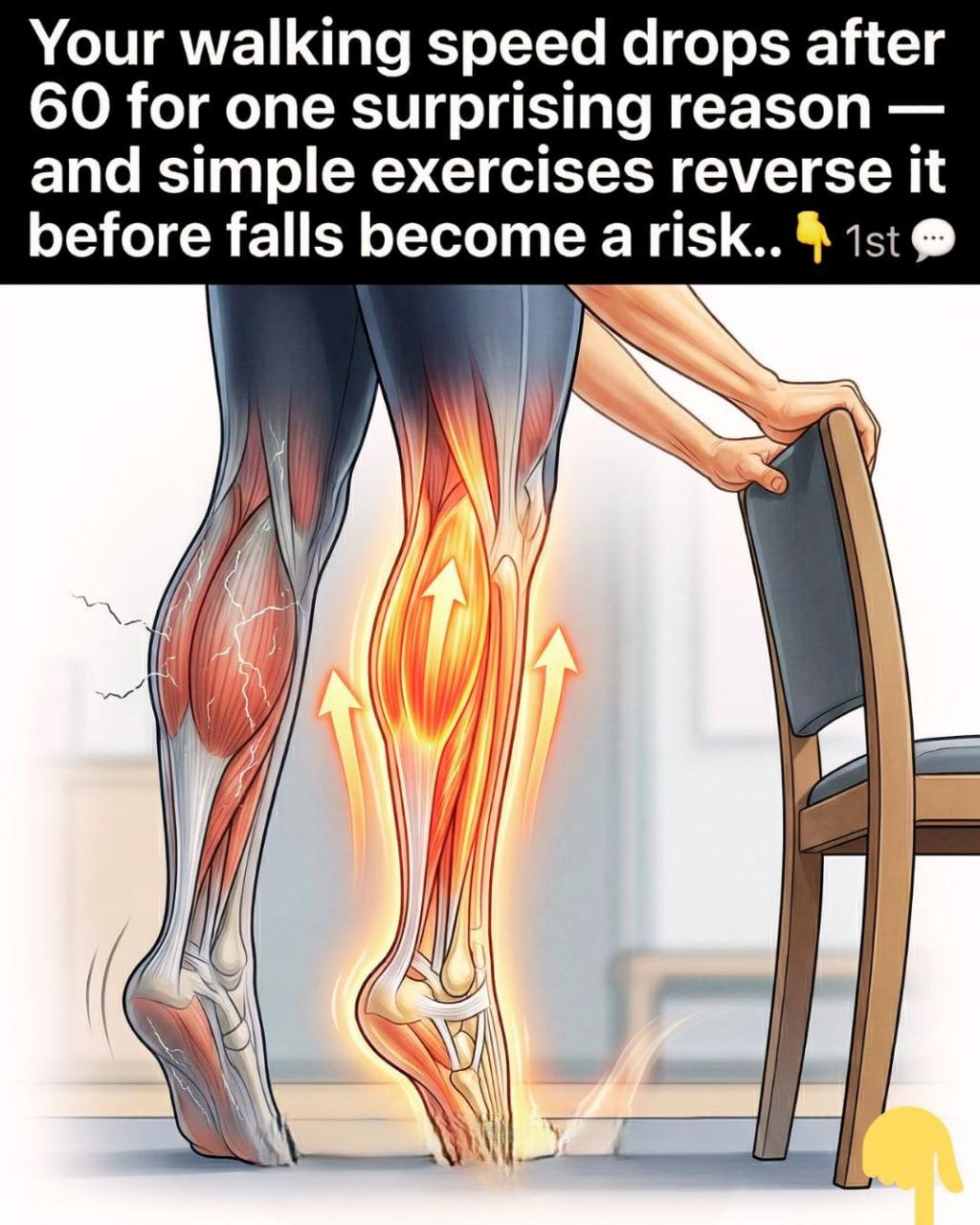
a. Seated Heel Raise (Beginner Warm-Up)
Sit in a chair with your feet flat on the floor and your forearms resting on your thighs. Lift your heels as high as possible, then slowly lower them. Repeat 10–20 times.
b. Standing Calf Raise (Classic Strengthener)
Stand behind a chair for support. Rise onto your tiptoes, then lower back down with control. Aim for 10–20 repetitions.
c. Slow Tempo Heel Raise on a Step (Strength & Stretch)
Stand on the edge of a step with your heels hanging off. Rise onto your toes, then slowly lower your heels over four seconds. For more challenge, add weight or lower down on one leg. Repeat 10–20 times.
d. Single-Leg Donkey Calf Raise (Advanced)
Lean forward onto a chair with your forearms supported. Lift one foot and perform calf raises with the other leg. Repeat 10–20 reps, then switch sides.
6. Progress at Your Own Pace
If advanced exercises feel too difficult, start with easier ones and gradually build up. If something causes pain, skip it. Aim to do these exercises two to three times per week. Even one or two sessions weekly can lead to noticeable improvements within a couple of weeks.
7. Don’t Forget Flexibility
Strength alone isn’t enough—flexibility matters too. Tight calves can limit stride length and increase injury risk. After exercising, spend a few minutes stretching your calves by pressing your toes against a wall or step and leaning forward gently.
8. Stay Consistent for Lasting Results
Consistency is essential. As we age, muscles weaken faster if we don’t use them. Regular strengthening and stretching can help you stay mobile, energetic, and independent for years to come.
9. The Payoff: A Longer, Healthier Life
Walking faster and more comfortably isn’t just about keeping up with others—it’s linked to living longer and reducing health risks. It’s never too late to improve.
