
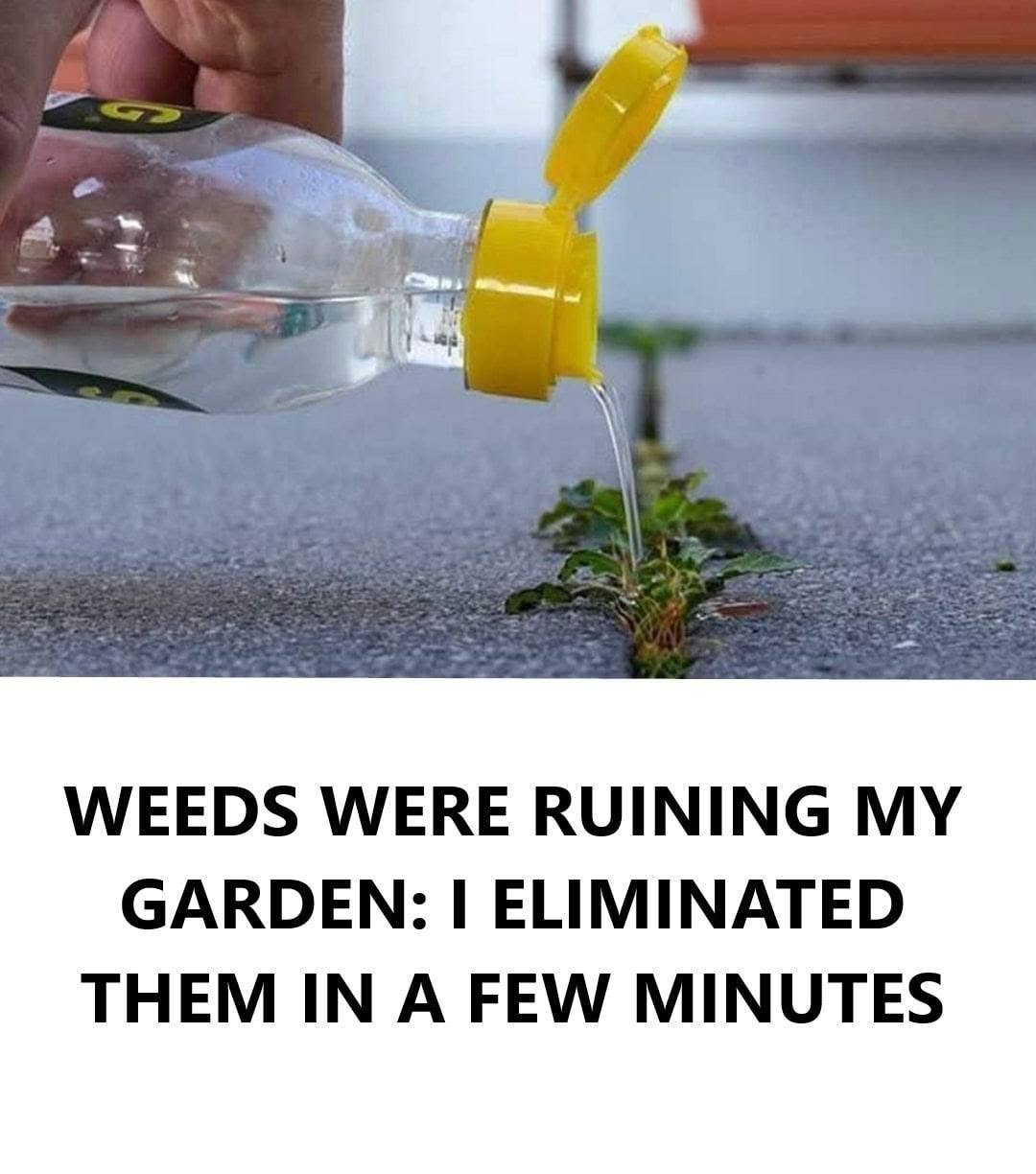
3. Baking Soda
Baking soda offers another simple alternative for managing weeds. Its drying properties can damage plant tissues when applied directly to leaves.
To use:
- Lightly dampen weed foliage.
- Sprinkle baking soda directly onto leaves.
- Apply during dry weather.
- Reapply after rainfall if necessary.
4. Lemon Juice
Lemon juice contains citric acid, which can burn and dry unwanted vegetation. Sunlight enhances its effectiveness.
- Use pure lemon juice.
- Spray directly on weeds.
- Apply during sunny conditions.
- Avoid nearby ornamental plants.
5. Sunflower Oil
Sunflower oil can create a coating on leaves that interferes with normal plant functions. While not as commonly used as vinegar or baking soda, some gardeners find it useful for treating isolated weeds.
Application tips:
- Use a spray bottle or brush.
- Apply directly to weed leaves.
- Choose a calm day without wind.
- Use sparingly to avoid affecting nearby plants.
Best Practices for Applying Natural Weed Killers
- Treat weeds every two weeks during active growth periods.
- Reapply after heavy rainfall.
- Target the leaves rather than surrounding soil whenever possible.
- Work during the early morning or late evening.
- Wear gloves when handling concentrated solutions.
- Test small areas first if uncertain.
Additional Weed Prevention Strategies
Combining natural weed killers with prevention techniques can significantly reduce future weed growth.
- Apply mulch around plants.
- Pull weeds before they produce seeds.
- Maintain healthy lawn coverage.
- Seal cracks in driveways and sidewalks.
- Use landscape fabric in problem areas.
- Inspect garden beds regularly.
Final Thoughts
Natural weed killers provide an affordable and environmentally conscious way to manage unwanted plants around your property. While they may not always work as quickly as commercial herbicides, they can be highly effective when used consistently and carefully.
By combining simple ingredients such as vinegar, baking soda, lemon juice, salt, and sunflower oil with good gardening practices, you can maintain cleaner pathways, healthier flower beds, and a more attractive outdoor space throughout the growing season.
A little persistence and regular maintenance can go a long way toward achieving a beautiful, weed-free garden naturally.
