
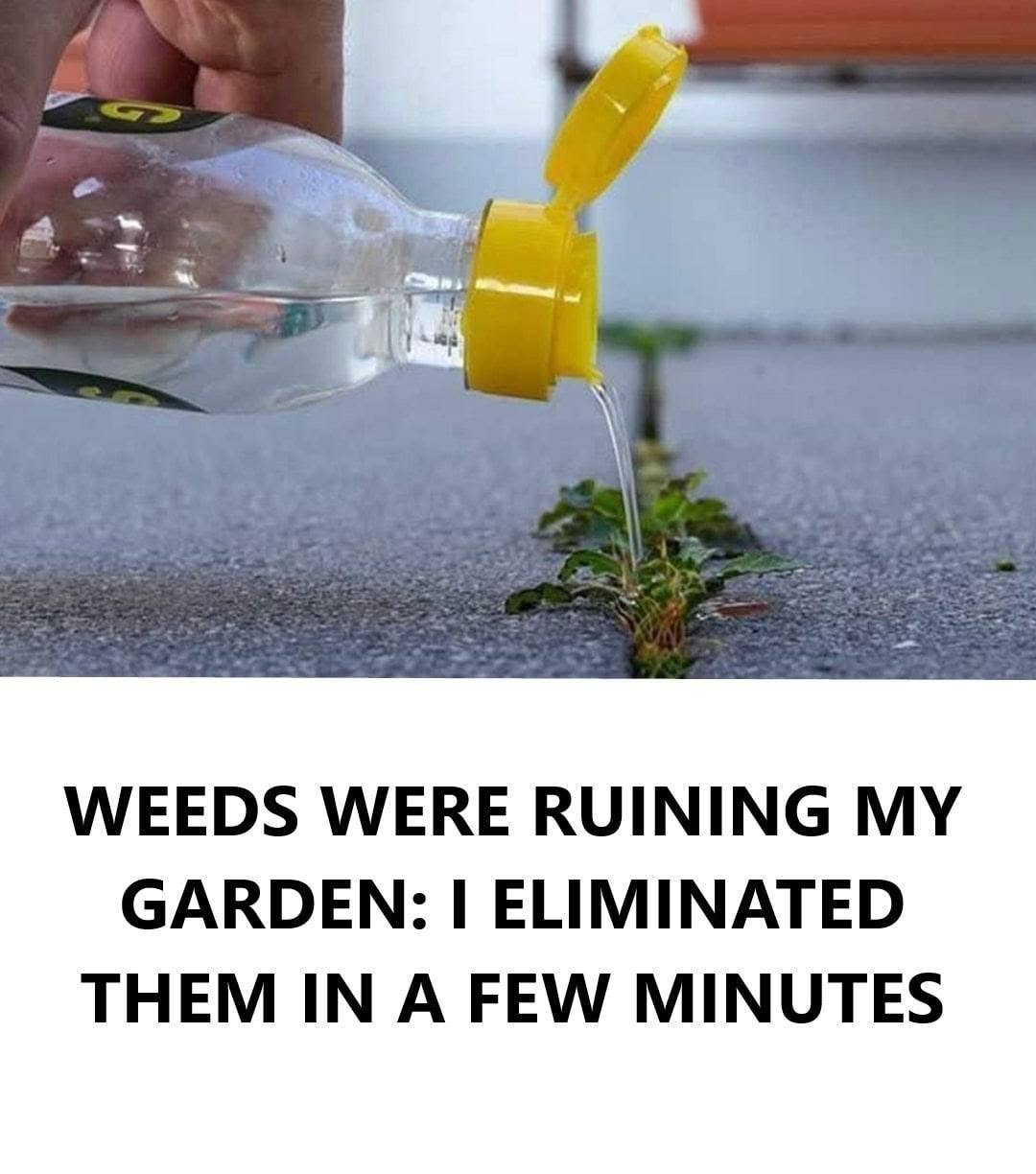
Weeds are one of the most persistent challenges gardeners face. Whether they appear between paving stones, along driveways, in vegetable gardens, or throughout flower beds, unwanted plants can quickly take over if left unchecked. Besides making outdoor spaces look untidy, weeds compete directly with cultivated plants for sunlight, water, and essential nutrients.
Many homeowners automatically reach for commercial herbicides when weeds become a problem. While these products may provide fast results, they often contain chemicals that can affect beneficial insects, pets, soil health, and nearby plants. Fortunately, there are several natural and affordable alternatives that can help control weeds while reducing environmental impact.
Why Weeds Spread So Quickly
Weeds have evolved to survive in almost any environment. Some spread through thousands of tiny seeds carried by wind, birds, or water. Others expand underground through rhizomes or stolons that create entirely new plants several feet away from the original growth.
Common weeds found in gardens and landscapes include:
- Bermuda grass
- Dandelions
- Purslane
- Nettles
- Plantain weeds
- Thistles
- St. John’s wort
Because many weeds reproduce rapidly, early intervention is often the key to successful control.
Benefits of Natural Weed Control
Natural weed killers offer several advantages over conventional chemical products:
- Lower cost
- Easy-to-find ingredients
- Reduced environmental impact
- Less risk around children and pets
- Minimal chemical residue
- Simple application methods
Although natural solutions may require repeated applications, they remain a practical option for many households.
1. Vinegar
White vinegar is one of the most popular homemade weed control solutions. The acetic acid it contains damages plant tissues and dries out leaves exposed to direct contact.
For best results:
- Apply on a hot, sunny day.
- Spray directly onto weed leaves.
- Avoid contact with desirable plants.
- Repeat as necessary for stubborn weeds.
2. Table Salt
Salt can be highly effective because it dehydrates plants and prevents water absorption. However, it should be used carefully because excessive salt can remain in the soil for long periods.
Best locations for salt treatment include:
- Driveways
- Sidewalk cracks
- Gravel paths
- Patio joints
Avoid applying salt in vegetable gardens, lawns, or flower beds where future plant growth is desired.
3. Baking Soda
Continued on next page:
