
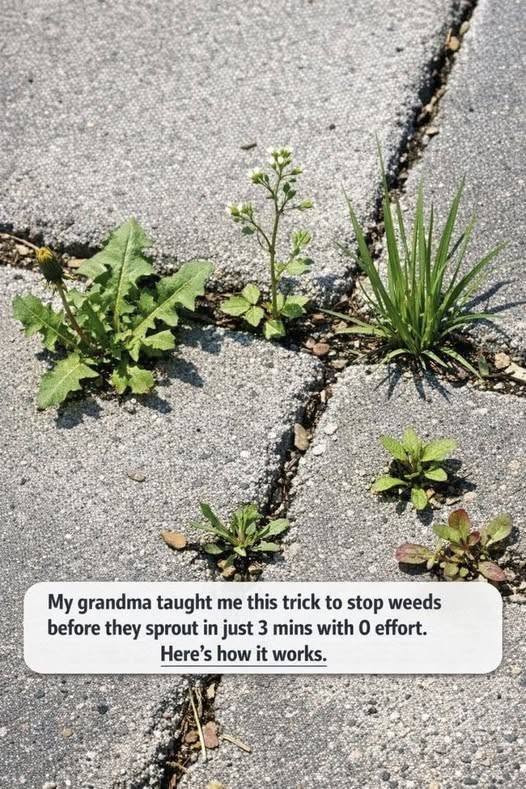
To set up this weed-prevention method, you need just three things: a stack of old newspapers, a bag of mulch (preferably organic), and a few minutes of your time. The newspapers should be in plain black and white print, as colored inks can be harmful to the soil.
For mulch, shredded bark or wood chips work well, but you can use whatever is readily available to you. The key is to ensure the mulch is thick enough to keep the newspapers in place and add an extra layer of weed prevention.
4. Step 1: Prep the Soil Without Backbreaking Work
Start by lightly raking the soil to remove any existing weeds or debris. This doesn’t have to be a deep till, just enough to create a smooth surface for the newspapers to lay flat. If you notice any large, stubborn weeds, it’s best to pull them out by the roots.
This step should take no more than a minute or two, depending on the size of your garden bed. The goal is to prepare a clean slate for your weed barrier without exhausting yourself with unnecessary digging or tilling.
5. Step 2: Apply Grandma’s Barrier So Weeds Never Emerge
Lay down a layer of newspapers across the entire surface of the garden bed. Overlap the edges by a few inches to ensure there are no gaps where weeds could sneak through. Aim for about five to seven sheets thick. This will provide a sturdy barrier that decomposes slowly enough to outlast the most persistent weed seeds.
Once the newspapers are in place, soak them lightly with water. This helps them adhere to the soil and each other, creating a more effective barrier.
6. Step 3: Lock It In With This Zero-Effort Finishing Touch
After the newspapers are in place and dampened, cover them with a generous layer of mulch. Spread about two inches of mulch evenly over the newspapers, ensuring complete coverage. This layer not only holds the newspapers down but also provides additional protection against sunlight and helps retain soil moisture.
This step is crucial because it adds the finishing touch to the barrier, making it more resilient against weather conditions and persistent weed seeds. The mulch will also gradually break down, adding organic matter to your soil over time.
7. How This Trick Actually Stops Weed Seeds From Germinating
The combination of newspapers and mulch works by creating a dual-layer barrier that prevents sunlight from reaching the soil. Weed seeds require light to germinate, so by blocking this essential component, the seeds remain dormant and eventually die off.
The newspapers also serve as a physical barrier, preventing any seeds that may have been deposited on the surface from reaching the soil. The added mulch layer ensures that even if some light manages to penetrate the newspapers, it won’t reach the seeds.
8. Where This Hack Works Best (And Where It Doesn’t)
This method is most effective in flower beds, vegetable gardens, and other planted areas where you want to prevent weeds without disturbing existing plants. It’s particularly useful in areas where you’ll be planting new seeds or seedlings, as it provides a weed-free environment for them to grow.
However, it may not be as effective in areas with extremely aggressive weeds or in places where you need to frequently disturb the soil, such as a tilled vegetable patch. In these cases, you might need to supplement this method with additional weed control techniques.
9. Common Mistakes That Ruin the Trick—and How to Avoid Them
One common mistake is using glossy or colored newspaper pages, which can contain harmful inks. Always use plain black and white pages. Another mistake is not overlapping the newspapers sufficiently, which can leave gaps for weeds to exploit.
Some people also skimp on the mulch layer, which can result in newspapers being blown away or degraded too quickly. Ensure you apply a thick enough layer to hold everything in place and provide adequate coverage.
10. How Often You Really Need to Do This (Hint: Not Much)
Once the initial setup is complete, you won’t need to repeat the process frequently. Typically, reapplying the mulch layer every six months to a year is sufficient to maintain the barrier.
As the newspaper and mulch decompose, they add organic matter to the soil, enriching it while continuing to suppress weed growth. This slow decomposition means the barrier remains effective for an extended period without constant maintenance.
11. Bonus Upgrades: Make Your Weed-Free Beds Look Even Better
For a polished look, consider edging your garden beds with stones or decorative borders. This can help keep mulch in place and add an aesthetic touch to your garden.
You can also plant ground covers or companion plants that naturally suppress weeds by shading the soil. These additions not only enhance the visual appeal of your garden but also provide an extra layer of weed prevention.
