
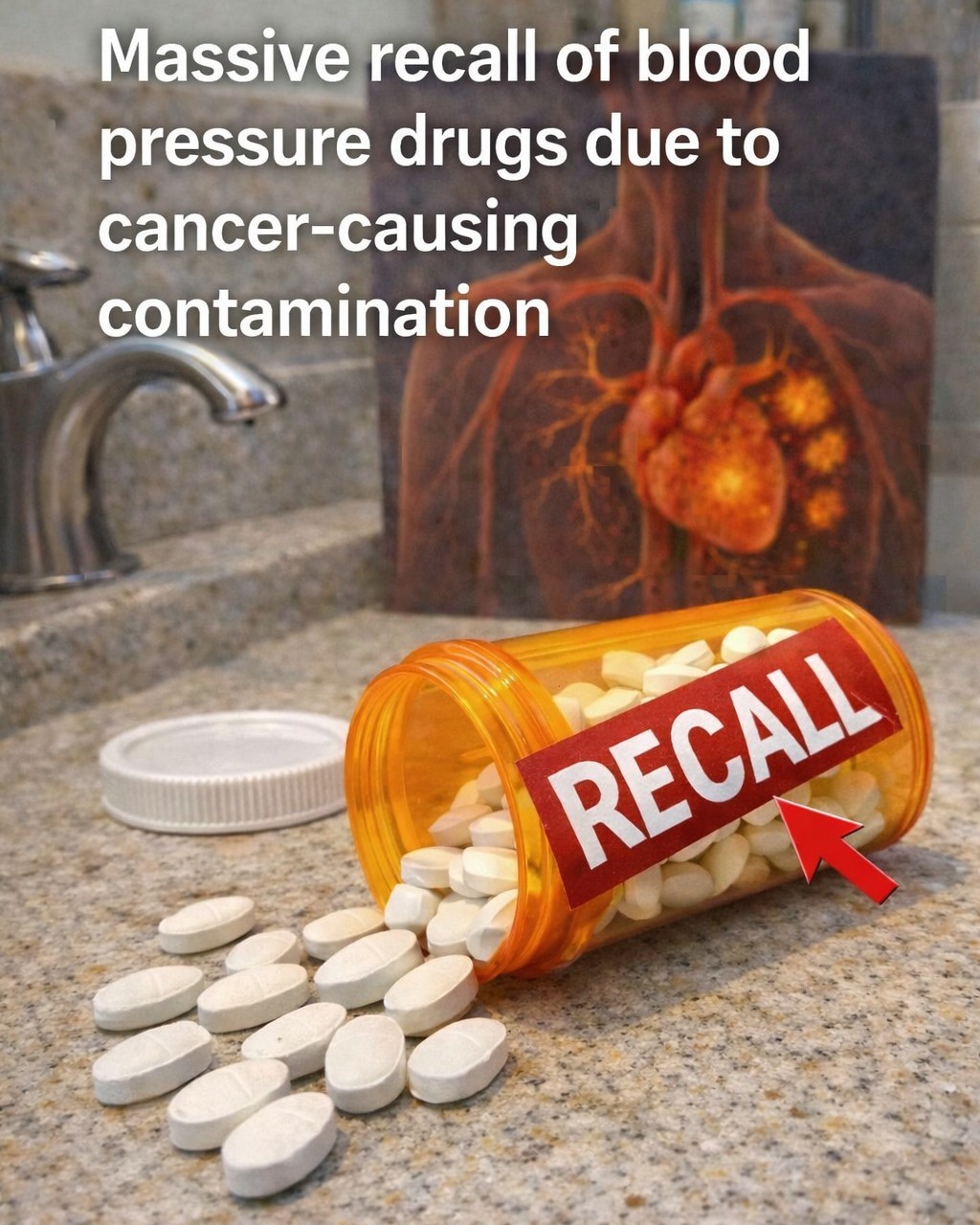
Millions of Americans rely on daily blood pressure medication to keep their numbers in check and support heart health every single day. But imagine opening your medicine cabinet only to learn that nearly 600,000 bottles of a commonly prescribed drug have been pulled from shelves due to potential contamination with a substance linked to cancer risk. This recent recall has left many people feeling anxious about their prescriptions and wondering if their own bottles are affected. The good news is that clear, practical steps can help you protect your health right now, and we’ll walk through exactly what to check and do in the sections ahead.
Here’s the part that might surprise you: even if your specific medication isn’t part of this recall, understanding how these issues happen can help you stay one step ahead with any future prescriptions.
What Exactly Happened in This Blood Pressure Drug Recall?
In late October 2025, Teva Pharmaceuticals and distributor Amerisource Health Services issued a voluntary nationwide recall for more than 580,000 bottles of prazosin hydrochloride capsules. The FDA classified it as a Class II recall because testing showed elevated levels of nitrosamine impurities — chemicals that can form during manufacturing or storage and are considered potentially concerning with long-term exposure.
Prazosin is an alpha-blocker often used to help manage high blood pressure by relaxing blood vessels. It is also sometimes prescribed for other needs like certain symptoms related to PTSD. The recall affects specific lots in 1 mg, 2 mg, and 5 mg strengths, with expiration dates ranging into 2025 and 2026.
But here’s what matters most for you: not every bottle of blood pressure medication is involved, and not every person taking prazosin needs to panic. The FDA emphasizes that the risk from these low-level impurities is generally considered small, especially for short-term exposure. Still, the agency and manufacturers took action out of an abundance of caution to protect public health.

Why Do Nitrosamine Impurities Show Up in Medications?
Manufacturing processes, certain raw materials, or even how drugs are stored over time can sometimes lead to these trace amounts forming. This isn’t the first time the industry has seen nitrosamine-related recalls — similar issues have appeared in other blood pressure drugs in past years, prompting tighter quality controls across the board.
Research and ongoing FDA monitoring help track these impurities, and companies continue improving testing methods to keep levels as low as possible. The key takeaway? The system is designed to catch and address these situations before they become widespread problems.

How to Check If Your Medication Is Affected
Don’t stop taking your prescribed medication without talking to your doctor or pharmacist first — suddenly stopping can sometimes cause blood pressure to rise quickly, which carries its own risks.
Here are simple steps you can take today:
- Look at the bottle label: Check the manufacturer (Teva), drug name (prazosin hydrochloride), strength (1 mg, 2 mg, or 5 mg), and lot number.
- Compare with the recall list: Visit the official FDA website or your pharmacy’s recall alert page for the exact lot numbers involved.
- Contact your pharmacy: They can quickly tell you if your filled prescription matches any recalled lots and often help with replacements or refunds.
If your medication is affected, your healthcare provider can discuss switching to an alternative option that works similarly for your needs. Many safe alternatives exist within the same class or other blood pressure medication categories.
Quick checklist for peace of mind:
- Confirm the manufacturer and strength on your bottle.
- Note the lot number and expiration date.
- Reach out to your pharmacist or doctor with any questions.
- Never dispose of medication yourself — ask about proper return or disposal programs.

What This Recall Means for Your Daily Health Routine
Seeing headlines about recalls can feel unsettling, especially when you’re already focused on managing blood pressure through lifestyle and medication. The reality is that millions of people successfully control their blood pressure every day with FDA-approved treatments, and recalls like this are part of the safety net that keeps those treatments reliable.
Studies consistently show that maintaining healthy blood pressure levels supports overall heart and vascular health over time. While no single medication is perfect for everyone, working closely with your healthcare team helps find the right approach for your individual situation.
Here’s something encouraging: many people use this kind of news as a reminder to build stronger habits that support blood pressure naturally alongside any prescribed treatment.
Actionable Tips You Can Start Today to Support Healthy Blood Pressure
Continued on next page:
