
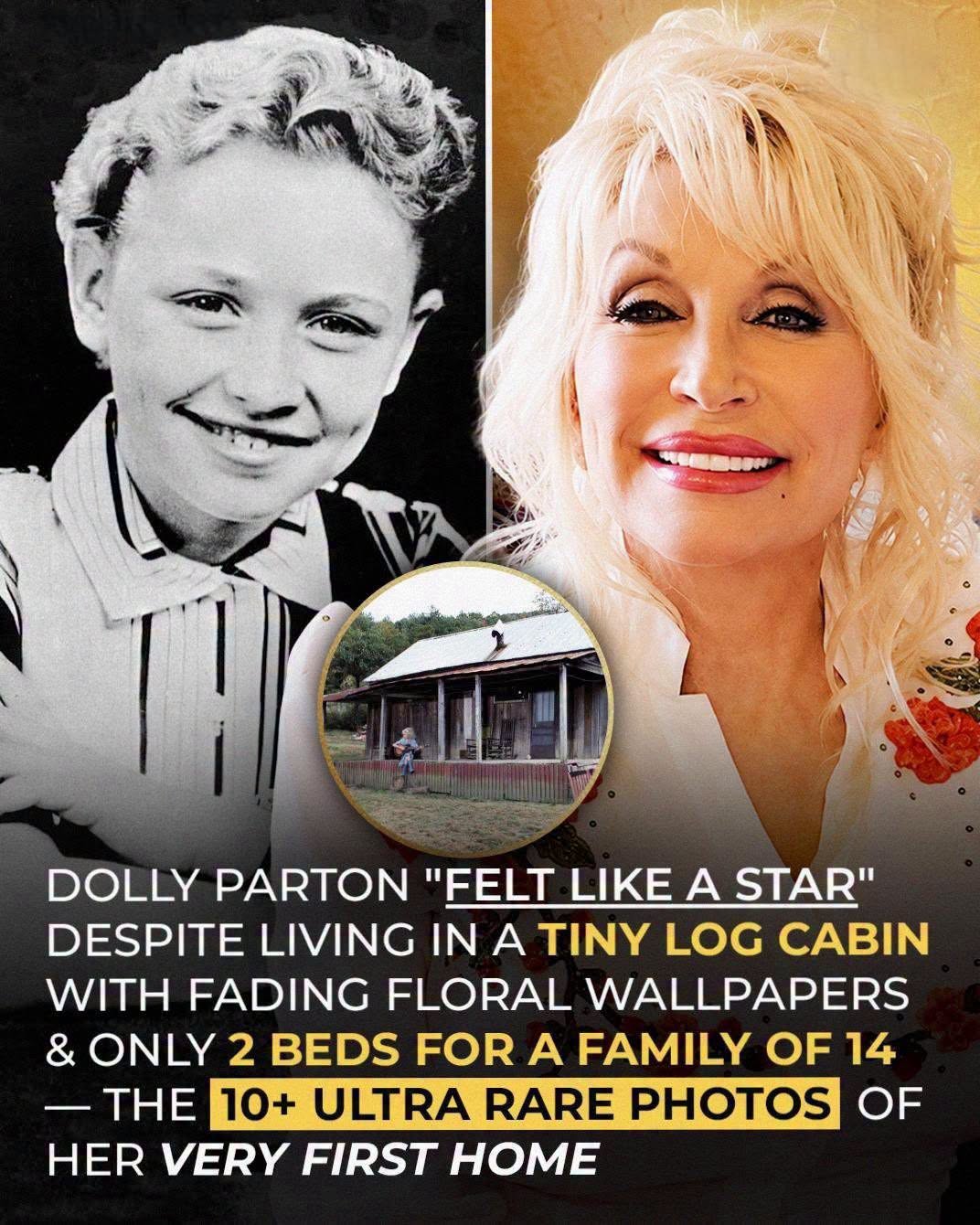
Her success also flowed back into the region. Dollywood became a major employer and tourist destination, while the Dollywood Foundation and Imagination Library turned fame into education and community support. The child who practiced with a tin can eventually helped place books in the homes of millions of children.
Parton’s nephew later described her as a farmer like her father, except that he farmed soil while she farmed songs and happiness. The comparison captures continuity beneath the transformation. Her work ethic, sense of responsibility, and attachment to place remained rooted in the values of her childhood.
The cabin matters because it prevents celebrity from appearing inevitable. Nothing about one crowded room guaranteed a global career. The path required talent, risk, discipline, luck, and an extraordinary ability to turn personal detail into stories other people recognized as their own.
Dolly Parton’s childhood home still stands as evidence of an imagination larger than its surroundings. She did not erase the cabin when she left. She carried it into songs, businesses, philanthropy, and the image she built. The tin can was temporary; the dream rehearsed into it became a life.
The preserved cabin invites visitors to look beyond celebrity and notice the disciplined imagination that preceded opportunity. Its handmade details show how hardship, family memory, faith and humor became creative material she carried throughout her life.
