
Step 2: Check Local Regulations
Some municipalities have height or setback limits for fences – even living ones.
Check for:
- Height restrictions near property lines
- Rules on invasive species (like bamboo or privet in some regions)
- Easement areas that must remain clear
Step 3: Evaluate Sunlight Exposure
- Full sun: Choose flowering or fruiting shrubs (Forsythia, Spirea, Rose of Sharon).
- Partial shade: Opt for hardy evergreens (Holly, Yew, Viburnum).
- Full shade: Stick to dense, low-light species (Boxwood, Aucuba, Mahonia).
Sunlight will determine not only what grows, but how fast your living fence fills in.
Step 4: Test and Prepare Soil
Healthy roots equal a healthy hedge.
- Test soil pH and drainage before planting.
- Amend with compost to enrich poor or sandy soil.
- For heavy clay, mix in coarse sand or bark to improve aeration.
Best Plants for Living Fences
The right plants make all the difference. Choose based on your goals – privacy, color, wildlife, or edible yields.
Evergreen Privacy Screens
These stay lush and green all year long, perfect for year-round seclusion.
- Arborvitae (Thuja occidentalis) – Dense, tall, and fast-growing; ideal for narrow spaces.
- Holly (Ilex spp.) – Glossy foliage with red berries that attract birds.
- Leyland Cypress – Extremely fast-growing but needs room to spread.
- Yew (Taxus baccata) – Tolerant of shade, long-lived, and elegant for formal gardens.
- Juniper (Juniperus) – Adds texture, fragrance, and resilience in dry soils.
Flowering Hedges
For fragrance, seasonal color, and pollinator support.
- Forsythia – Brilliant yellow flowers in early spring.
- Lilac – Fragrant purple or white blooms in late spring.
- Hydrangea – Large, long-lasting summer blossoms.
- Spirea – Compact shrub with pink or white flower clusters.
- Rose of Sharon (Hibiscus syriacus) – Summer flowers loved by hummingbirds.
Native Shrubs for Wildlife
Native plants are low-maintenance and ecologically valuable.
- Ninebark (Physocarpus opulifolius) – Attractive peeling bark and pinkish blooms.
- Viburnum (various species) – Fragrant flowers, berries, and vibrant fall color.
- Serviceberry (Amelanchier) – Early blooms and edible berries.
- Chokeberry (Aronia melanocarpa) – Beautiful flowers, dark berries, and red fall foliage.
Edible and Fruit-Bearing Hedges
Get privacy and produce.
- Blueberries (Vaccinium spp.) – Delicious fruit, colorful foliage.
- Currants and Gooseberries – Compact and ideal for cool climates.
- Raspberry and Blackberry Bushes – Dense, thorny, and productive.
- Espaliered Apple or Pear Trees – Space-saving and decorative.
Thorny Barrier Hedges
For natural security and wildlife nesting.
- Hawthorn (Crataegus) – Thorny branches, spring flowers, and bird-friendly berries.
- Blackberry (Rubus) – Yields fruit and forms an impenetrable barrier.
- Rugosa Rose (Rosa rugosa) – Fragrant blooms, rose hips, and dense growth.
How to Plant a Living Fence (Step-by-Step)
A living fence requires patience and careful setup, but the results are worth every effort.
Step 1: Measure and Mark
Use string or stakes to outline your fence line. Curves add softness and visual flow, while straight lines offer structure and formality.
Step 2: Space the Plants Properly
Spacing depends on mature width and growth speed:
- Small shrubs: 12–24 inches apart
- Medium shrubs: 2–3 feet apart
- Large shrubs or trees: 3–6 feet apart
Crowded plants compete for nutrients, while too much space delays coverage.
Step 3: Prepare the Soil
- Remove grass and weeds.
- Dig a continuous trench or individual holes twice the root ball’s width.
- Mix in compost and organic matter for nutrients and drainage.
Step 4: Planting
- Place each plant so the top of its root ball sits level with the ground.
- Backfill gently and firm the soil around roots.
- Water thoroughly to eliminate air pockets.
Step 5: Mulch and Maintain Moisture
Add a 2–3 inch layer of mulch around the base to retain moisture and suppress weeds. Keep mulch a few inches away from stems to prevent rot.
Caring for Your Living Fence
A living fence grows more beautiful with age – but it needs regular attention to stay dense and healthy.
1. Watering
- Keep soil evenly moist for the first year.
- Once established, most species need watering only during dry spells.
2. Pruning
- Formal hedges: Trim 2–3 times per year for a clean shape.
- Informal hedges: Prune lightly after flowering or in late winter.
- Avoid cutting into old wood on evergreens like yew or cypress – they may not regrow.
3. Feeding
Apply compost or organic mulch annually in spring. If growth seems slow, use a balanced slow-release fertilizer once a year.
4. Pest and Disease Management
Keep an eye out for:
- Aphids, mites, or caterpillars
- Fungal issues from overcrowding or damp soil. Prune infected parts promptly and maintain good air circulation.
Living Fences for Different Goals
| Goal | Recommended Plants | Notes |
|---|---|---|
| Privacy | Arborvitae, Yew, Holly | Evergreen, dense coverage year-round |
| Windbreak | Spruce, Juniper, Pine | Plant in staggered rows for maximum protection |
| Wildlife Habitat | Serviceberry, Viburnum, Chokeberry | Provide berries, blooms, and nesting cover |
| Security | Hawthorn, Rugosa Rose, Blackberry | Thorny, protective, and beautiful |
| Ornamental Appeal | Lilac, Spirea, Hydrangea | Vibrant blooms and seasonal color |
How Long Does a Living Fence Take to Grow?
Growth time depends on the species you choose:
| Growth Rate | Example Plants | Time to Fill In |
|---|---|---|
| Fast | Leyland Cypress, Forsythia | 2–3 years |
| Moderate | Viburnum, Privet | 3–5 years |
| Slow | Boxwood, Yew | 5–10 years |
Remember: patience pays off. Once established, your green fence will last for decades with minimal upkeep.
Living Fence Cost vs. Traditional Fence
| Type | Initial Cost | Maintenance | Lifespan | Added Value |
|---|---|---|---|---|
| Wood or Vinyl Fence | Low to moderate | Paint, repair, replace | 10–20 years | Functional only |
| Living Fence | Moderate | Pruning, watering | 30+ years | Beauty, wildlife, privacy, and eco-benefits |
Though it takes longer to establish, a living fence is a long-term investment that continues to grow, thrive, and beautify your property.
Can You Combine a Living Fence with a Regular Fence?
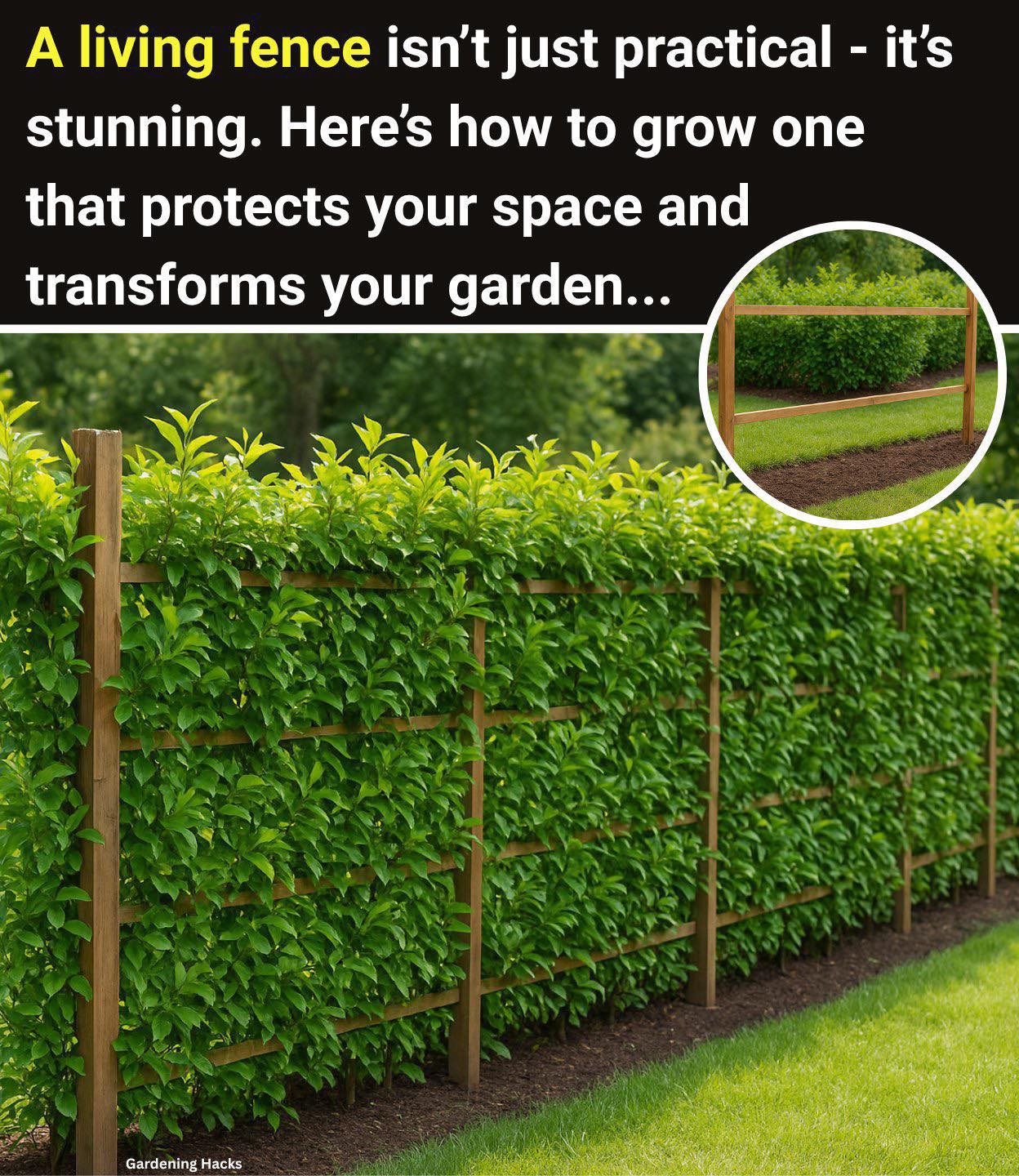
Absolutely. Many gardeners combine the two for structure and charm.
Examples include:
- Clematis or honeysuckle climbing through metal fences
- Roses or ivy softening wooden panels
- Mixed shrubs growing along a wire or picket base
This approach gives you instant privacy and gradual natural growth, blending hardscape with soft, organic beauty.
Creating a living fence is more than a landscaping project – it’s an act of cultivating harmony between humans and nature.
