
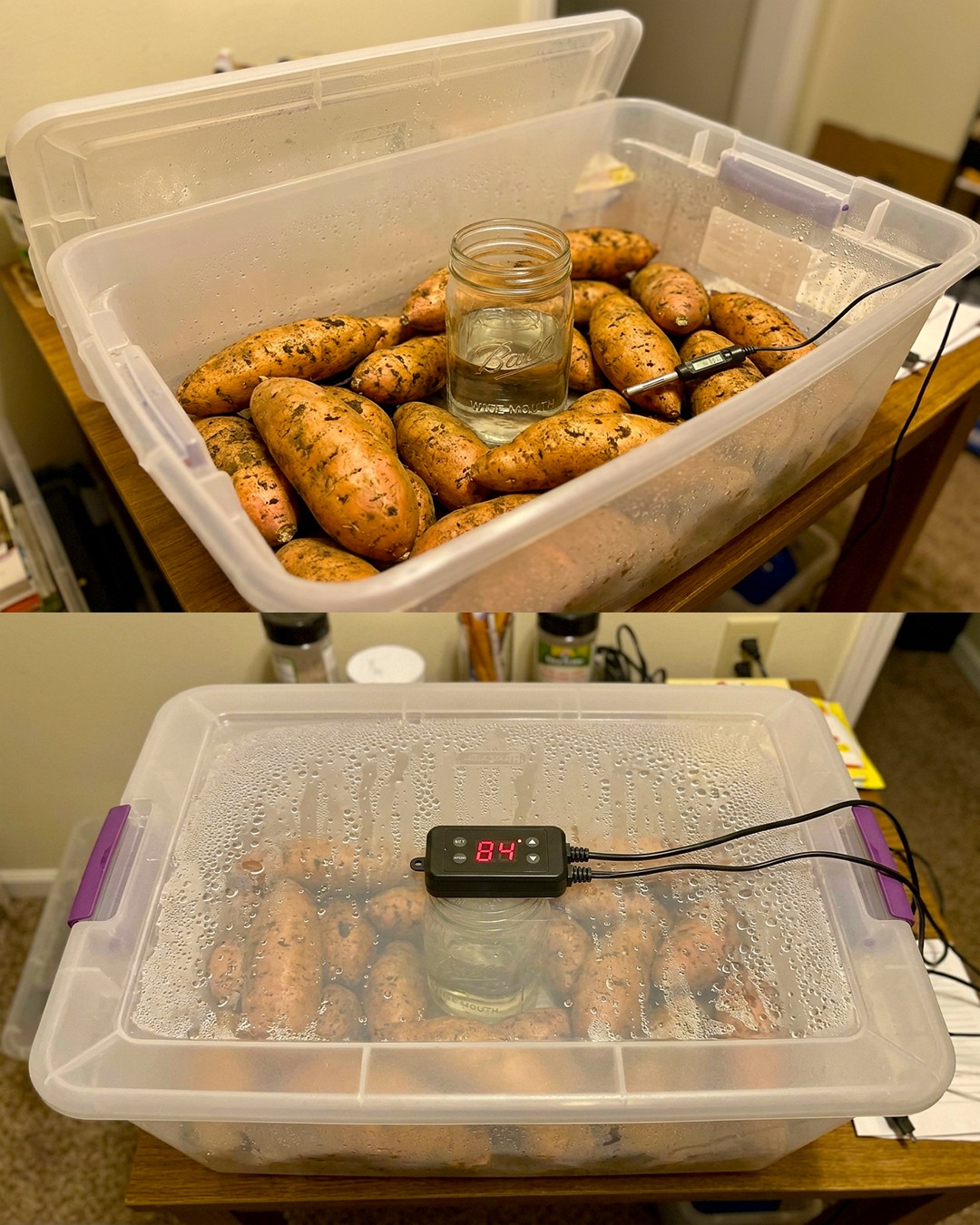
Growing your own sweet potatoes is a highly rewarding project, but the work does not end when you pull them out of the ground. Before you can eat or store them, sweet potatoes must go through a vital process called curing. If you skip this step, your harvest will not taste very sweet, and the potatoes will likely spoil or rot within a few short weeks.
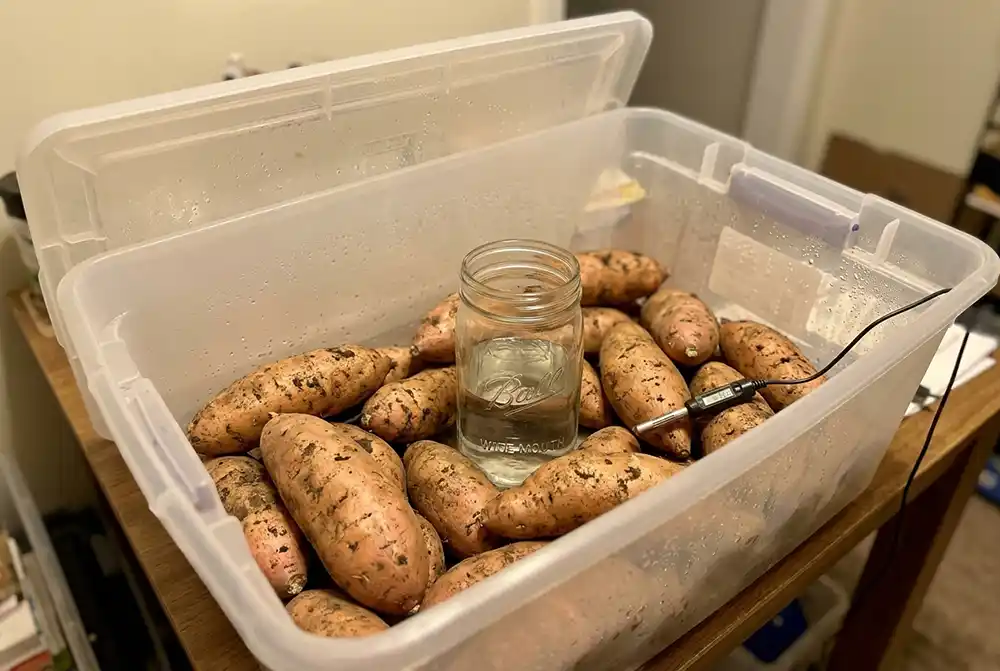
Curing is a straightforward process that you can easily do at home with everyday items.
Why is Curing Necessary?
Curing is an essential step that changes both the outside and the inside of the sweet potato. Here is exactly why this process must be done before storage:
- Heals Harvest Wounds: When you dig up sweet potatoes, they often get scratched, scraped, or nicked by garden tools. Curing helps the potato grow a second layer of skin over these cuts. This seals the potato, stopping bacteria from getting inside and causing rot.
- Develops Sweet Flavor: Freshly dug sweet potatoes are quite starchy and lack flavor. The curing period triggers a potent internal change, converting those heavy starches into natural sugars. This chemical shift is exactly what gives the sweet potato its famous, rich, sweet taste.
- Toughens the Skin: Fresh sweet potatoes have a very thin, delicate outer skin that can rub off easily. The curing process thickens and hardens this outer layer, creating a durable shield to protect the inside of the vegetable.
- Increases Storage Life: Because the wounds are completely healed and the outer skin is toughened, properly cured sweet potatoes can be stored safely for many months without shriveling or going bad.
The Ideal Conditions for Curing
To cure correctly, sweet potatoes need to sit in an environment that mimics the hot, humid climates where they naturally grow. To make this happen at home, you need to provide four specific conditions:
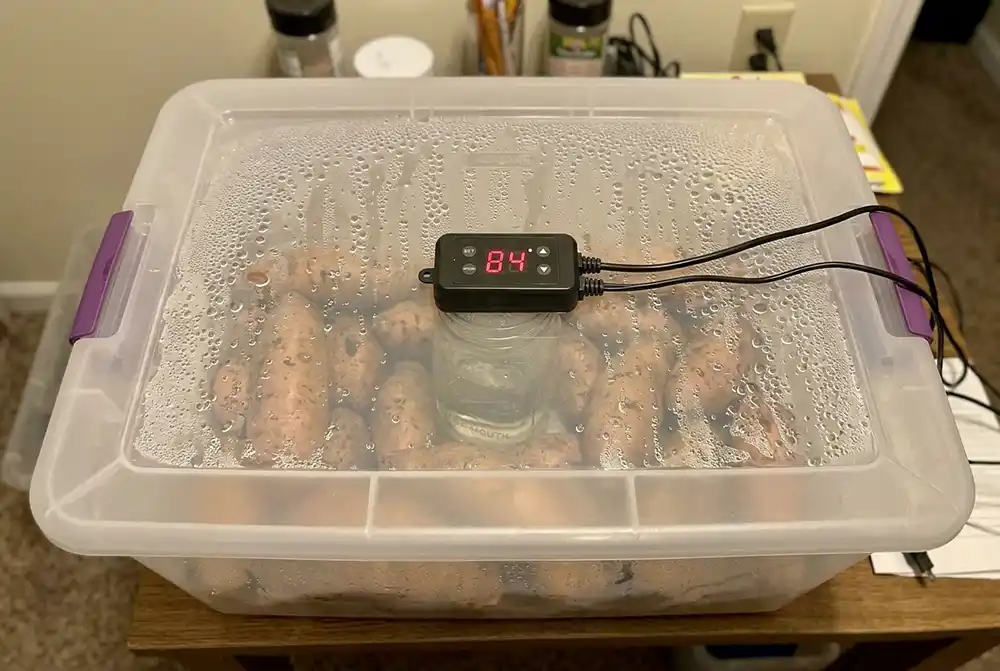
- High Temperature: The space needs to stay warm, ideally between 80 and 85 degrees Fahrenheit.
- High Humidity: The moisture in the air must be very high, around 85 to 90 percent.
- Good Airflow: While they need heat and moisture, they also need to breathe. Without a small amount of fresh air, they will begin to mold.
- Proper Time: They need to stay in these exact conditions for anywhere from 5 to 10 days.
Homemade Ways to Cure Sweet Potatoes
Creating a hot, damp environment in a normal, air-conditioned house might sound difficult, but you can easily set up a curing station using basic household supplies. Here are three homemade methods, depending on the size of your harvest:
Method 1: The Plastic Grocery Bag (Best for a small harvest)
Continued on next page:
