
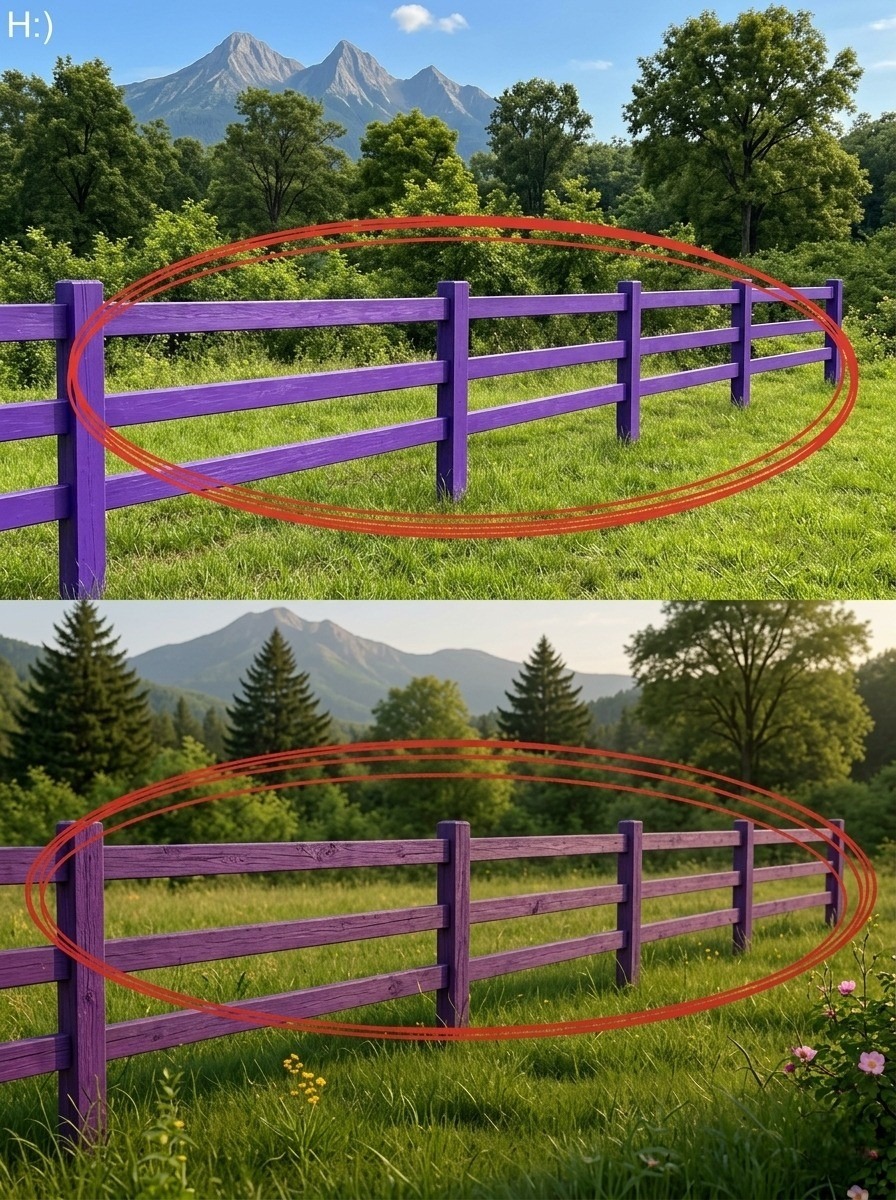
-
What You Should Do
Familiarize yourself with local laws before venturing into unfamiliar areas
-
Always exercise caution when encountering a purple fence or painted tree, regardless of location
At the very least, purple paint signals a landowner’s clear desire for privacy and control over who enters their property. Respecting that boundary is both courteous and wise.
Beyond the Law: Respect and Coexistence
Beyond its legal implications, the purple paint marker reflects a broader conversation about land use, respect, and coexistence between private property owners and the public.
The Landowner’s Perspective
Rural landowners often manage their property not only as living space but as:
-
Farmland
-
Wildlife habitat
-
Long-term investment
Uninvited entry can lead to:
-
Damaged crops
-
Disturbed livestock
-
Safety risks
-
Liability concerns
The Purple Paint System Offers:
-
A quiet but firm way to assert boundaries
-
No constant confrontation
-
No clutter of repeated signage
For Outdoor Enthusiasts
Recognizing and honoring these markers is part of responsible recreation. It acknowledges that:
-
While nature invites exploration, not all land is public
-
Respect for boundaries helps preserve both personal safety and mutual goodwill
Final Thoughts
When you encounter that vivid purple line in the wild, it is more than paint.
It is a message backed by:
-
Law
-
Intention
-
A simple request to stop, turn back, and respect what lies beyond.
| Quick Reference | What Purple Paint Means |
|---|---|
| Legal status | Equivalent to “No Trespassing” sign (in states with purple paint laws) |
| What it signals | Private property; do not enter |
| Why purple | Highly visible; resistant to fading; uncommon in nature |
| What to do | Stop, turn back, and respect the boundary |
Respect the purple. It is not decoration—it is a boundary, a warning, and a landowner’s quiet voice asking you to stay on the other side.
