
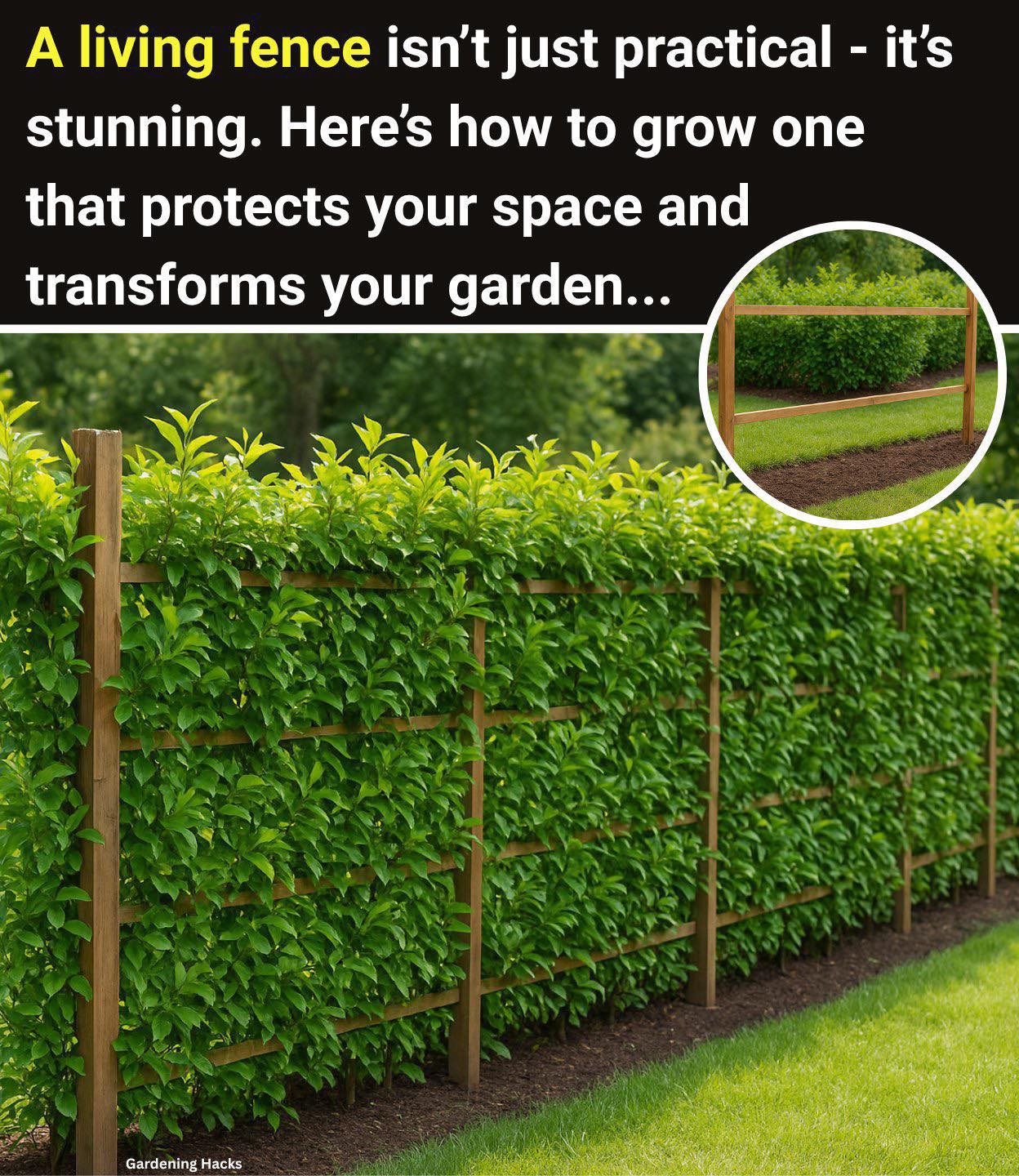
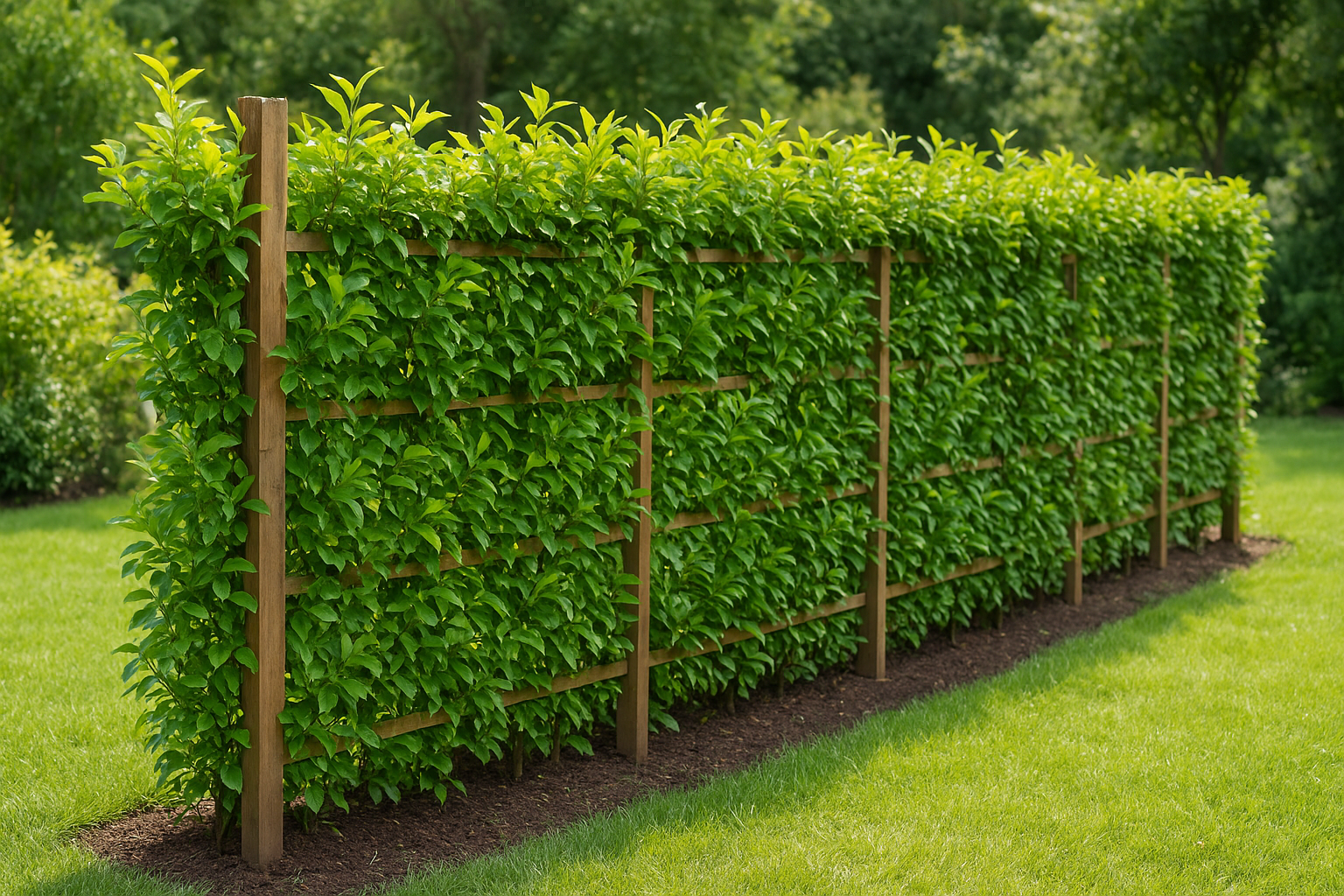
Have you ever dreamed of surrounding your garden with a lush, living wall instead of cold wooden panels or stark metal fencing?
A living fence – also known as a green screen, biofence, or hedge – can transform your yard into a thriving, natural sanctuary.
It’s not just about beauty; living fences provide privacy, block wind, buffer noise, and invite wildlife, all while improving the health of your soil and ecosystem.
What Is a Living Fence?
A living fence is a boundary created from living plants rather than non-living materials like wood, metal, or vinyl.
These fences may consist of closely planted shrubs, small trees, vines, or a mix of species that grow together into a dense barrier.
Over time, they form a solid green wall that defines property lines, provides privacy, and contributes to the environment.
Living fences have been used for centuries in Europe and rural landscapes around the world – not just for beauty, but for functional protection, soil conservation, and habitat creation.
Benefits of a Living Fence
A thoughtfully designed living fence does much more than mark property lines. It offers long-term ecological, aesthetic, and financial rewards.
1. Natural Privacy Screen
Dense shrubs or evergreens form a year-round visual barrier that softens your landscape and blocks unwanted views without the harshness of man-made fencing.
2. Wind and Noise Barrier
Thick hedges slow down strong winds and absorb sound, creating a calm and protected garden environment – ideal for patios, play areas, and vegetable gardens.
3. Wildlife Habitat
Living fences attract birds, butterflies, pollinators, and beneficial insects. Berry-producing species provide food, while dense branches offer shelter and nesting spots.
4. Seasonal Beauty
Unlike static fences, living fences change with the seasons – flowering in spring, fruiting in summer, glowing with fall color, and maintaining evergreen structure in winter.
5. Soil Stabilization
Roots prevent erosion, especially on sloped properties. Deep-rooted species can improve soil structure and even filter rainwater runoff.
6. Eco-Friendly and Sustainable
A living fence is a natural, renewable alternative that improves air quality, captures carbon dioxide, and reduces your environmental footprint.
7. Increased Property Value
A mature hedge or natural green boundary adds curb appeal, boosts real estate value, and gives your home a distinct, well-tended look.
Types of Living Fences
Before selecting plants, it helps to understand the main styles of living fences, each with a unique purpose and maintenance level.
1. Formal Hedge
- Maintained at uniform height and width
- Requires regular pruning and shaping
- Ideal for elegant property borders and garden pathways. Examples: Boxwood, Privet, Yew, Holly
2. Informal Hedge
- Natural, free-growing shape
- Minimal pruning required
- Offers flowers, berries, and wildlife value. Examples: Forsythia, Lilac, Spirea, Ninebark
3. Espalier
- Plants trained flat against walls or trellises
- Perfect for small spaces and decorative garden walls. Examples: Apple trees, Pear trees, Fig trees
4. Mixed Living Fence
- Combines trees, shrubs, and flowering plants
- Increases biodiversity and visual appeal
- Great for cottage-style or wildlife-friendly gardens
5. Windbreak Fence
- Rows of tall trees or shrubs
- Reduces wind, protects crops, and stabilizes soil. Examples: Arborvitae, Spruce, Juniper, Pine
Planning Your Living Fence
Every successful living fence begins with thoughtful planning. Consider your purpose, plant selection, and local growing conditions.
Step 1: Assess Your Needs
Ask yourself:
- Do I need privacy, beauty, or both?
- Am I trying to block noise or wind?
- Do I prefer evergreen or seasonal color?
- How tall and wide should my fence be?
- How much time can I commit to maintenance?
Step 2: Check Local Regulations
Continued on next page:
