
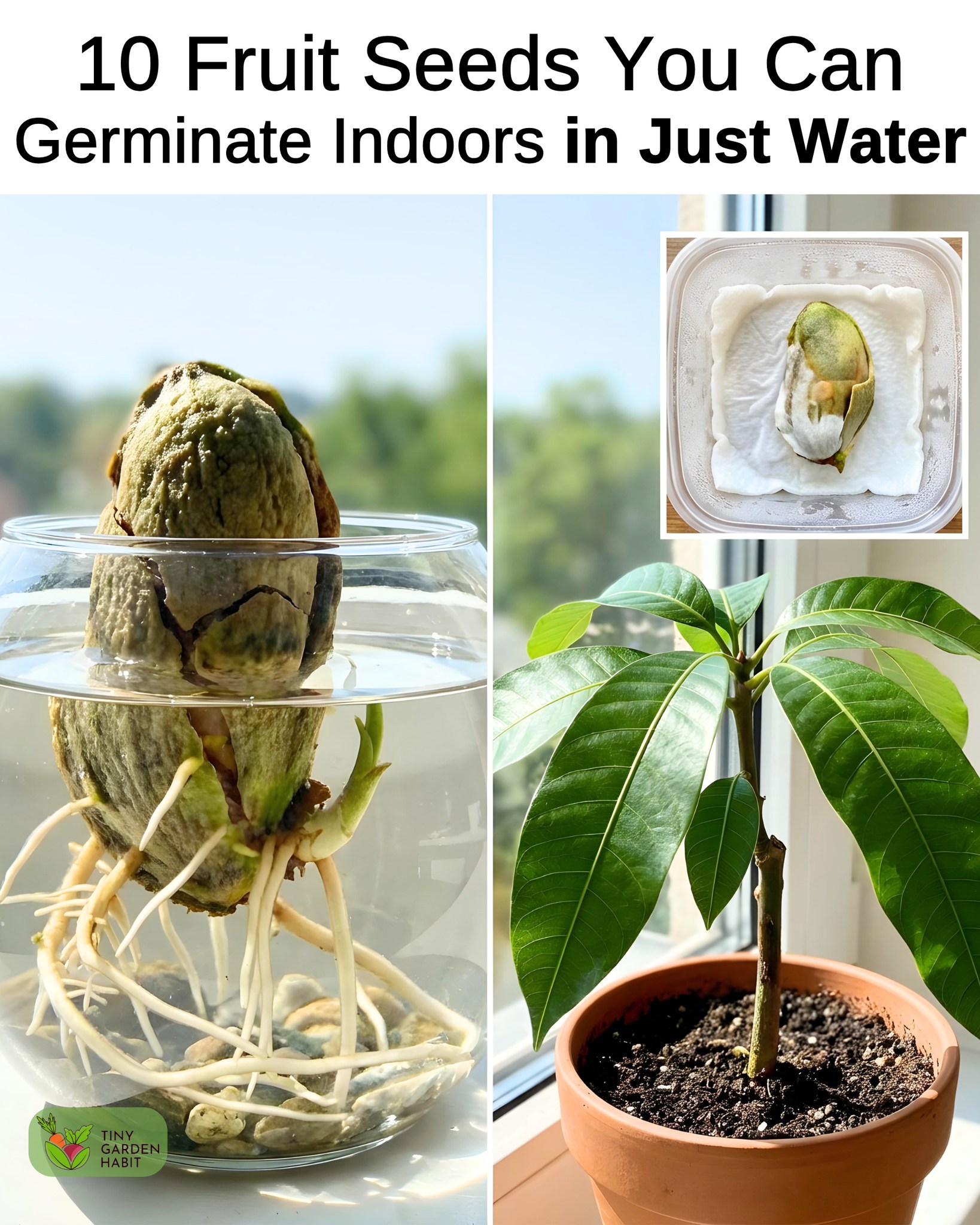
Everyone (myself included) wants a lush indoor jungle until we see the nursery price tags. My solution involves leftovers, sticky counters, filtered water, and recycled jam jars. Even if you lack a green thumb, you have other fingers perfectly capable of cleaning a fruit seed.
Quick note: not every fruit you buy will give you viable seeds, and even when they do, what grows might not look anything like the original.
Liquid Assets or What Kind of Water Works?

Tired of seeds that require filtered tears to sprout? Simply skip heavily chlorinated tap water for some filtered, bottled, or rainwater instead and you’re golden. And change it frequently. Fresh water helps prevent rot and keeps oxygen available for developing roots.
The USDA zones mentioned below reflect where these plants can grow outdoors, but if you’re outside those zones, you can still grow many of them in pots and bring them indoors.
1: Avocados (USDA Zones 9-11)
🌱 Get Your FREE 2026 Sowing Calendar! 🌱
Plan your best garden yet! This printable 2026 Sowing Calendar tells you exactly when to plant your favorite vegetables, herbs, and flowers for a thriving garden all year long.
If you’re a true millennial, you probably have a rotating cast of ripe avocados destined for toast. The seed is literally the biggest part of the fruit, yet people toss it. Outrageous!
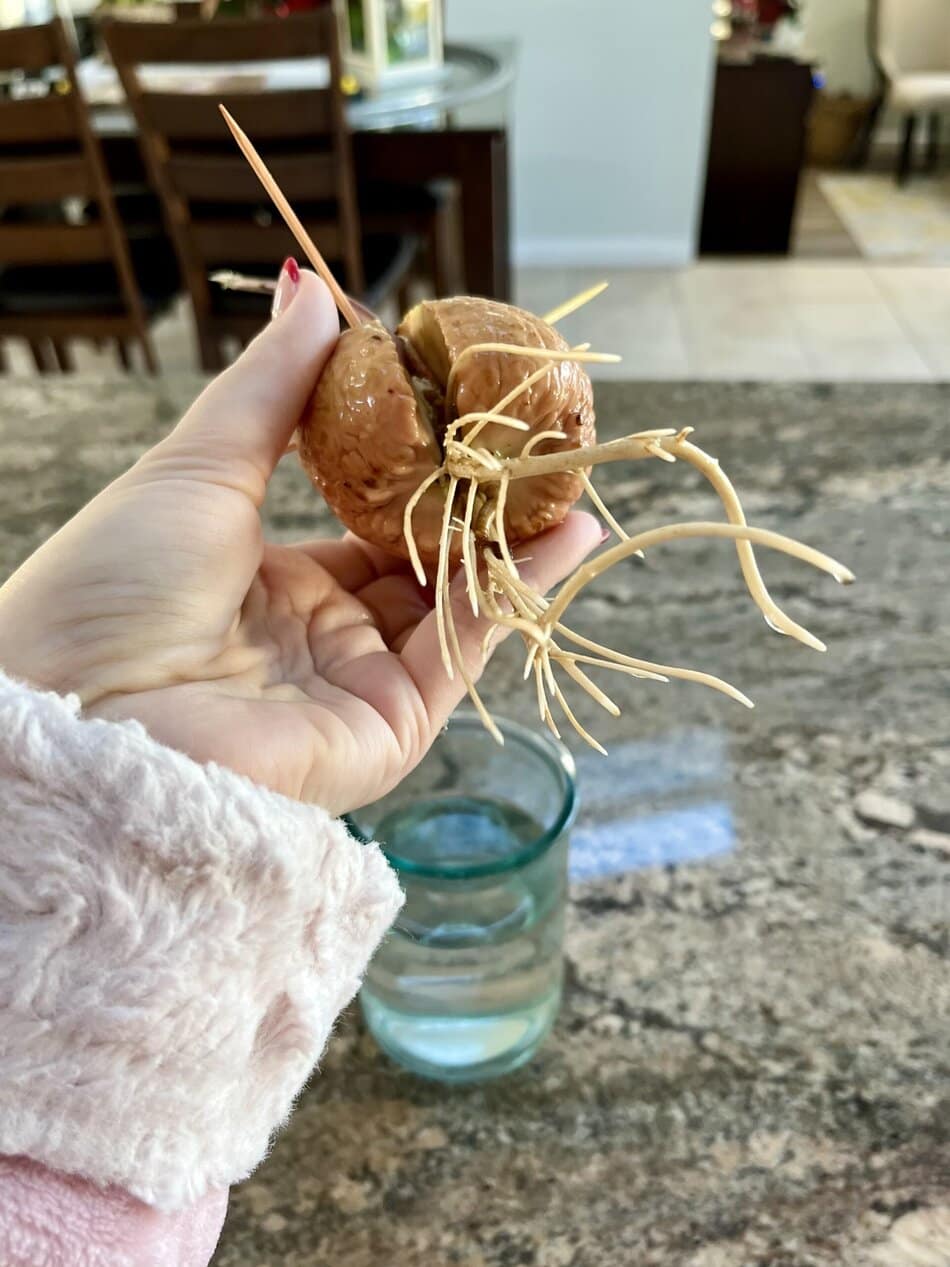
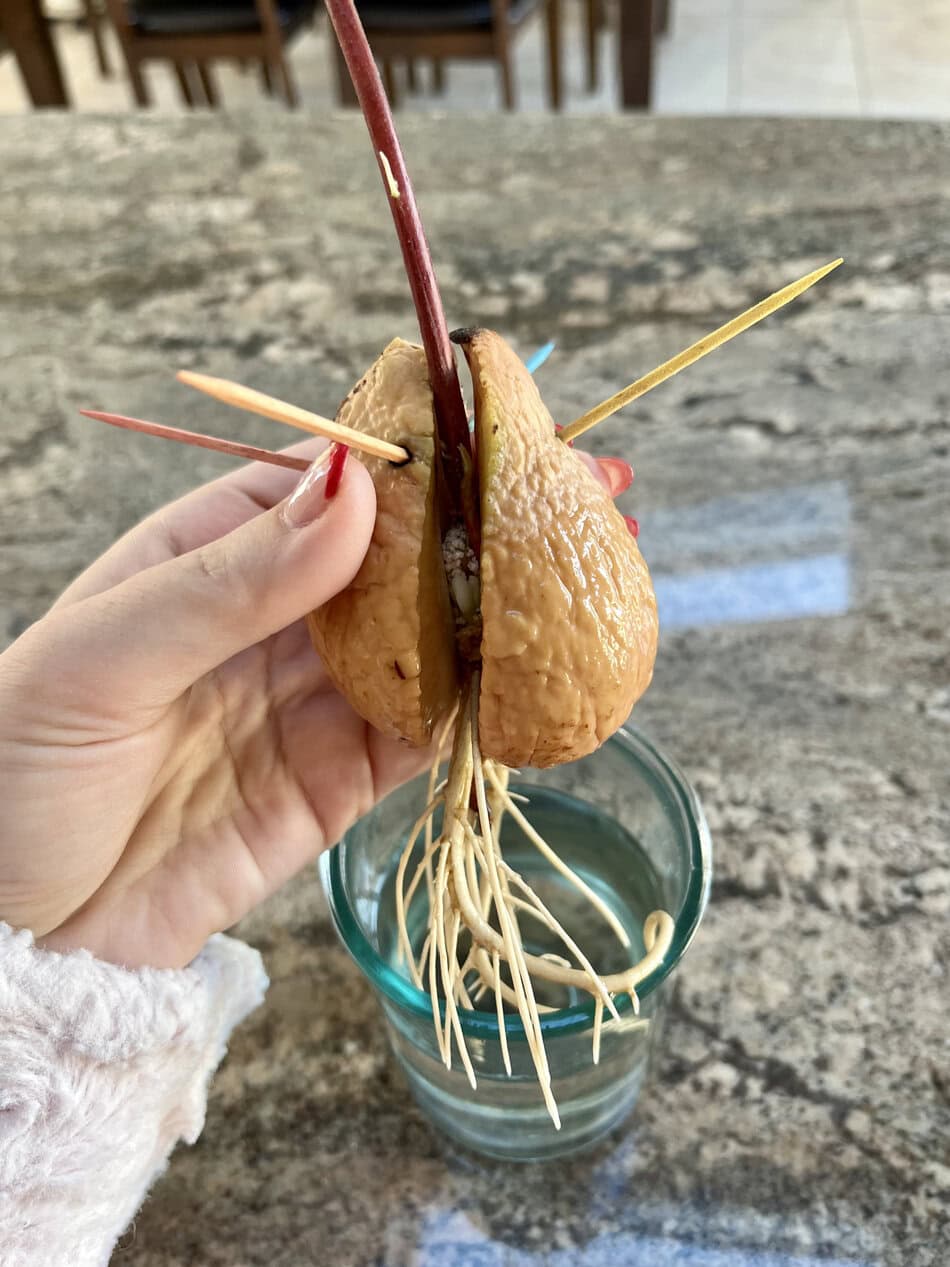
Wash that giant pit and suspend the bottom over a glass using three toothpicks.
Keep the lower third to half submerged in filtered water. Since liquid has a pesky habit of evaporating while you’re busy doomscrolling, top it off regularly.
What to expect: You’ll usually wait 2-6 weeks before the pit cracks and a root appears. Some take their time, so don’t panic if yours just sits there looking suspicious for a while.

2: Mangoes (USDA Zones 9-11)
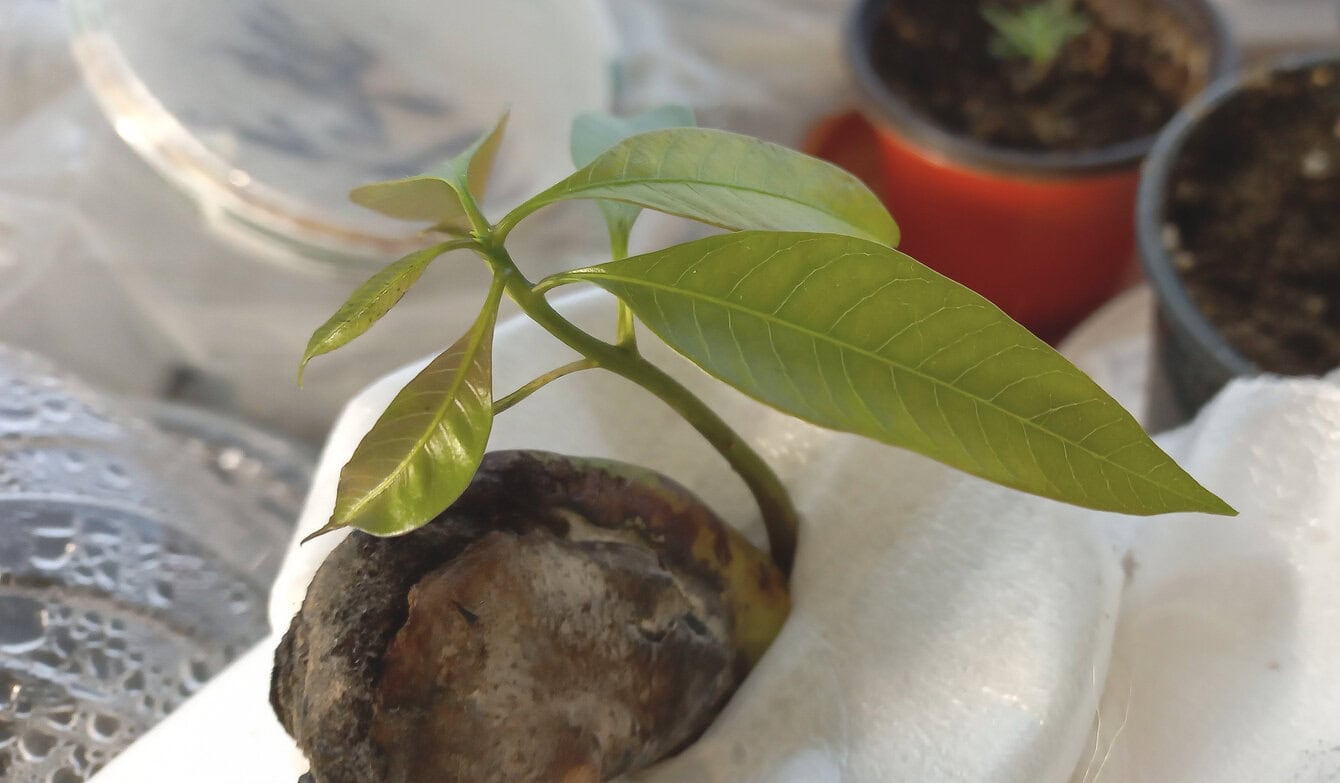
Pry open the husk and remove the large, pale seed inside. Swaddle it in a damp paper towel and keep it warm.
It’s slippery and a bit annoying to handle, but the fast growth is satisfying enough even for our short attention spans.
Alternatively, you can place it in shallow water, but it’s prone to rot.
What to expect: You’ll typically see growth within 1-3 weeks. Some seeds pop quickly, while others take their time depending on warmth and freshness.
3: Dragon fruit (USDA Zones 9-11)
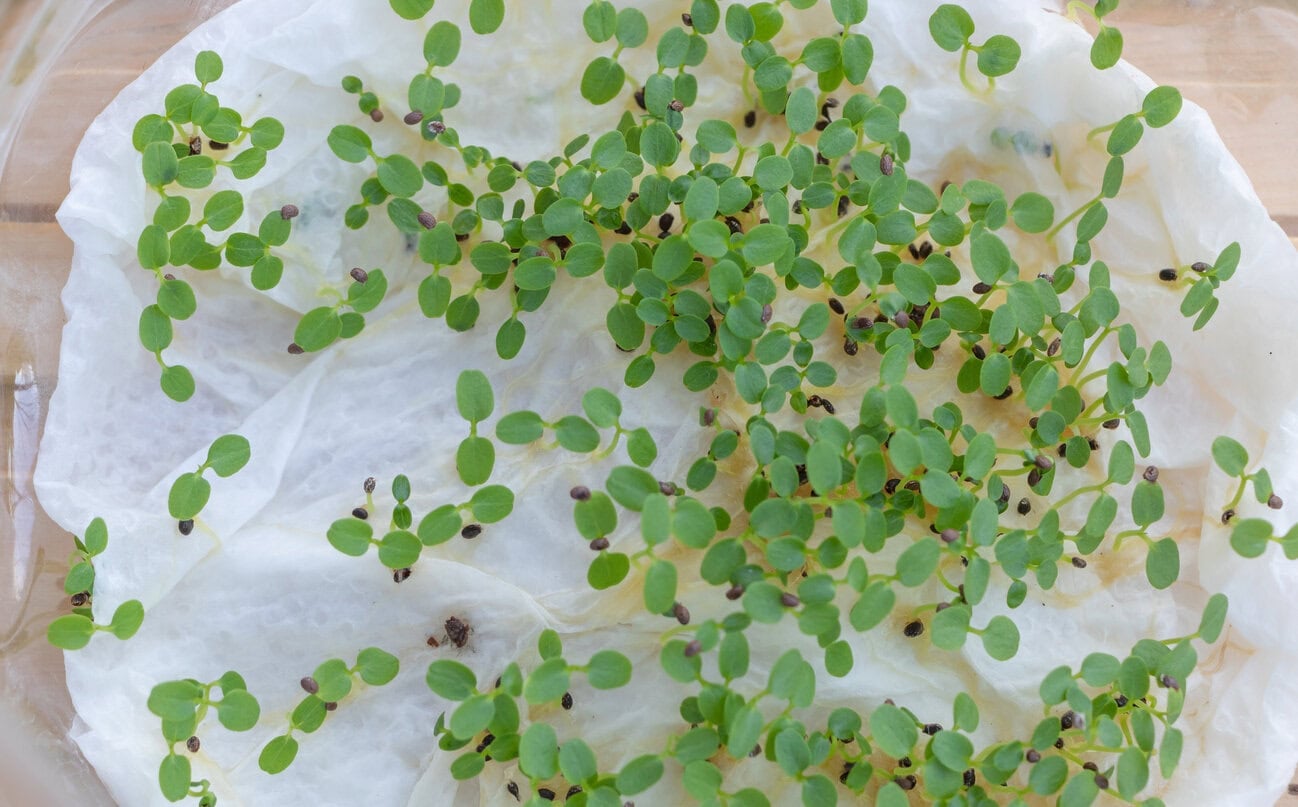
After you’ve rinsed off the pink pulp, spread the tiny seeds on a moist surface and place them somewhere warm and bright.
Warm spots around 80ºF will get them sprouting. Cooler rooms will slow things down and skip the standing water. They do best in a lightly damp environment, not a saucer.
For best results, keep them in a humid setup like a damp cloth inside a loosely sealed bag on a bright ledge.
What to expect: These are actually fast. You’ll usually see tiny sprouts in about 5-10 days if they’re kept warm and slightly humid.
4: Apples (USDA Zones 3-8)
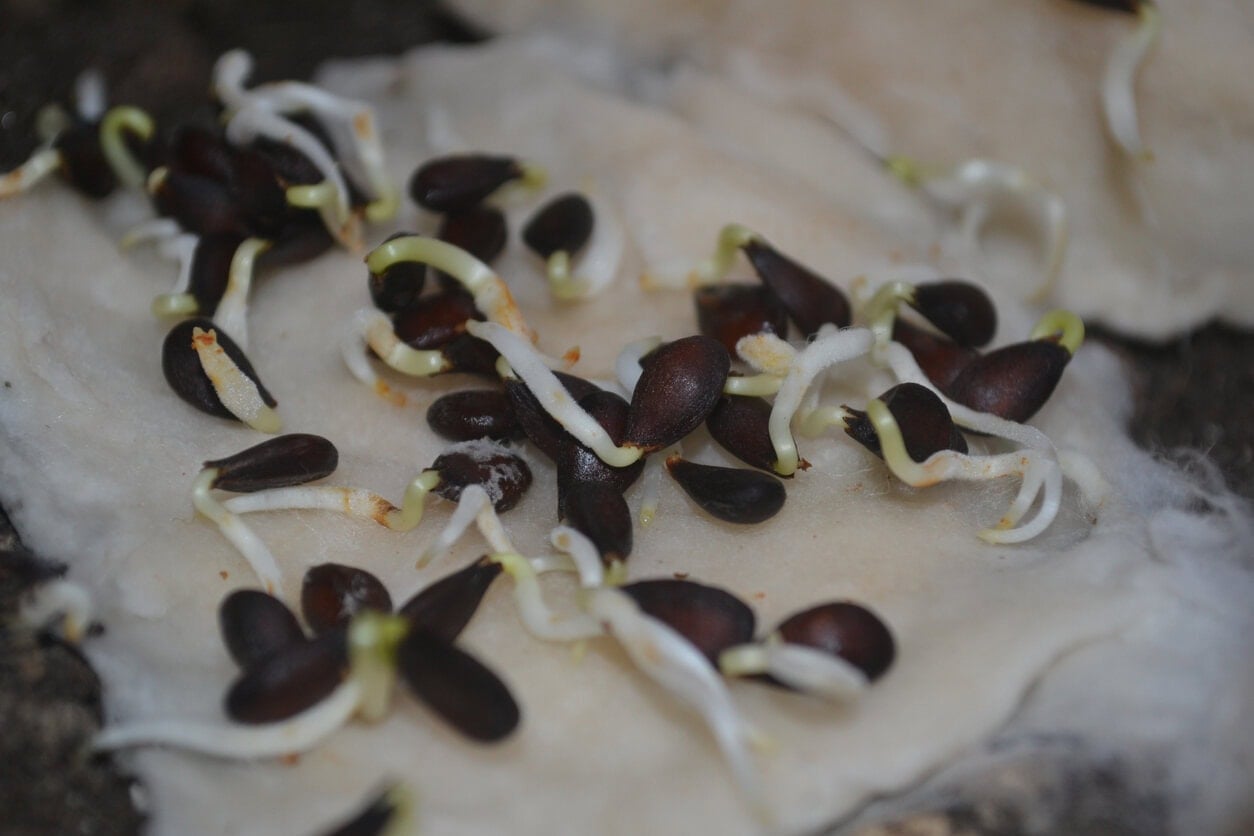
Clean the seeds, wrap them in a damp paper towel, place them in a sealed bag, and store them in your fridge.
Check occasionally to make sure the towel stays moist. After about 6-8 weeks of this artificial winter, plant the survivors directly in soil.
What to expect: After their cold nap, most seeds sprout within 1-3 weeks once moved to warmth. Some lag behind, so give them time.
🌱 Get Your FREE 2026 Sowing Calendar! 🌱
Plan your best garden yet! This printable 2026 Sowing Calendar tells you exactly when to plant your favorite vegetables, herbs, and flowers for a thriving garden all year long.
5: Cherries (USDA Zones 4-8)
Crack the hard outer pits with pliers, carefully, so you don’t become a resident joke in the ER. The inner seeds need a solid three-month fridge nap in a damp towel and a sealed bag first, just like apples.
Once they’ve had their artificial winter, plant them in soil and move them to a warm spot to encourage germination. Then wait.
What to expect: Expect a slower start. After stratification, they can take 3-6 weeks to show any signs of life.
6: Lemons (USDA Zones 9-11)
Continued on next page:
