
6: Lemons (USDA Zones 9-11)
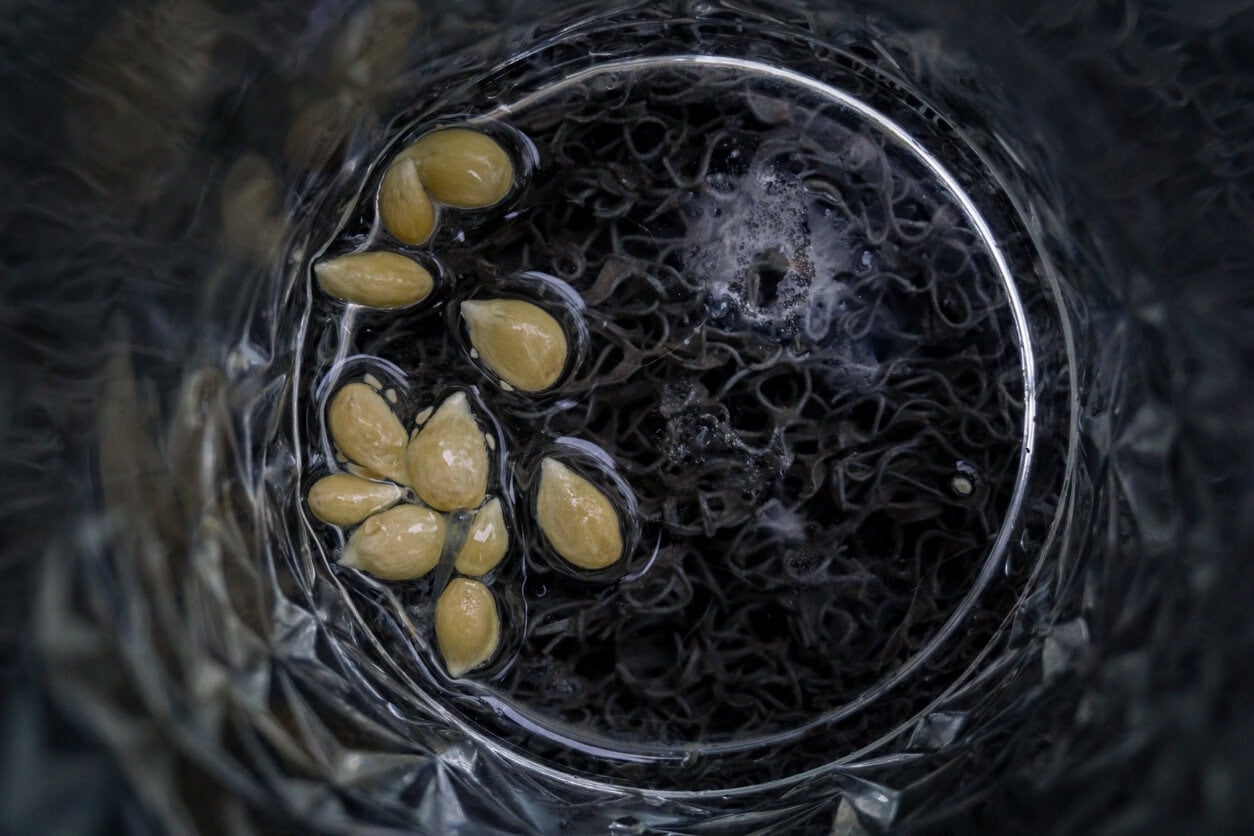

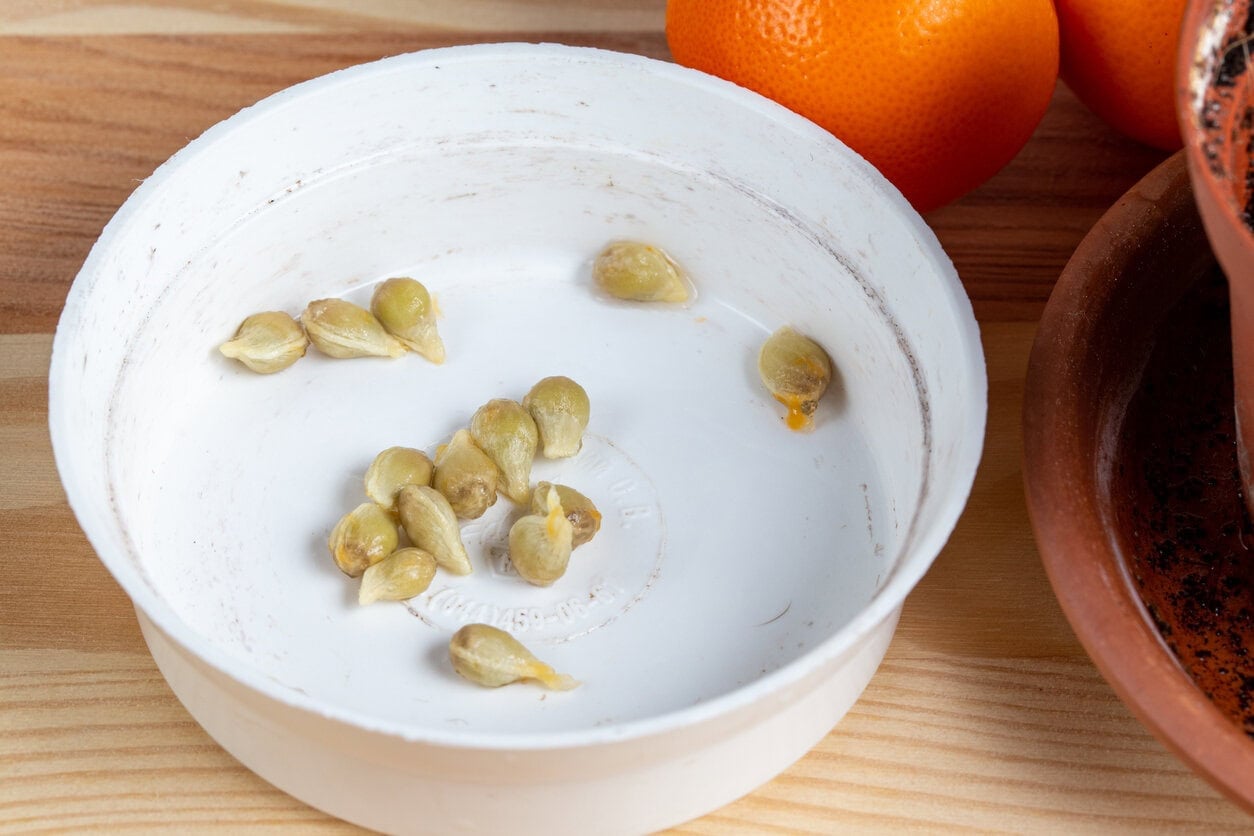
Scrub every trace of sticky pulp off the seeds or risk a mold farm. Place at least five to ten in a shallow dish with a small amount of water, or use a damp paper towel.
Citrus seeds are social creatures and seem to do better in groups. It also hedges your bets against the duds. Change the water daily to keep things fresh.
What to expect: You’ll usually see tiny green shoots in about 1-3 weeks. Some seeds act like overachievers and sprout in days, while others take their sweet time.
7: Limes (USDA Zones 9-11)
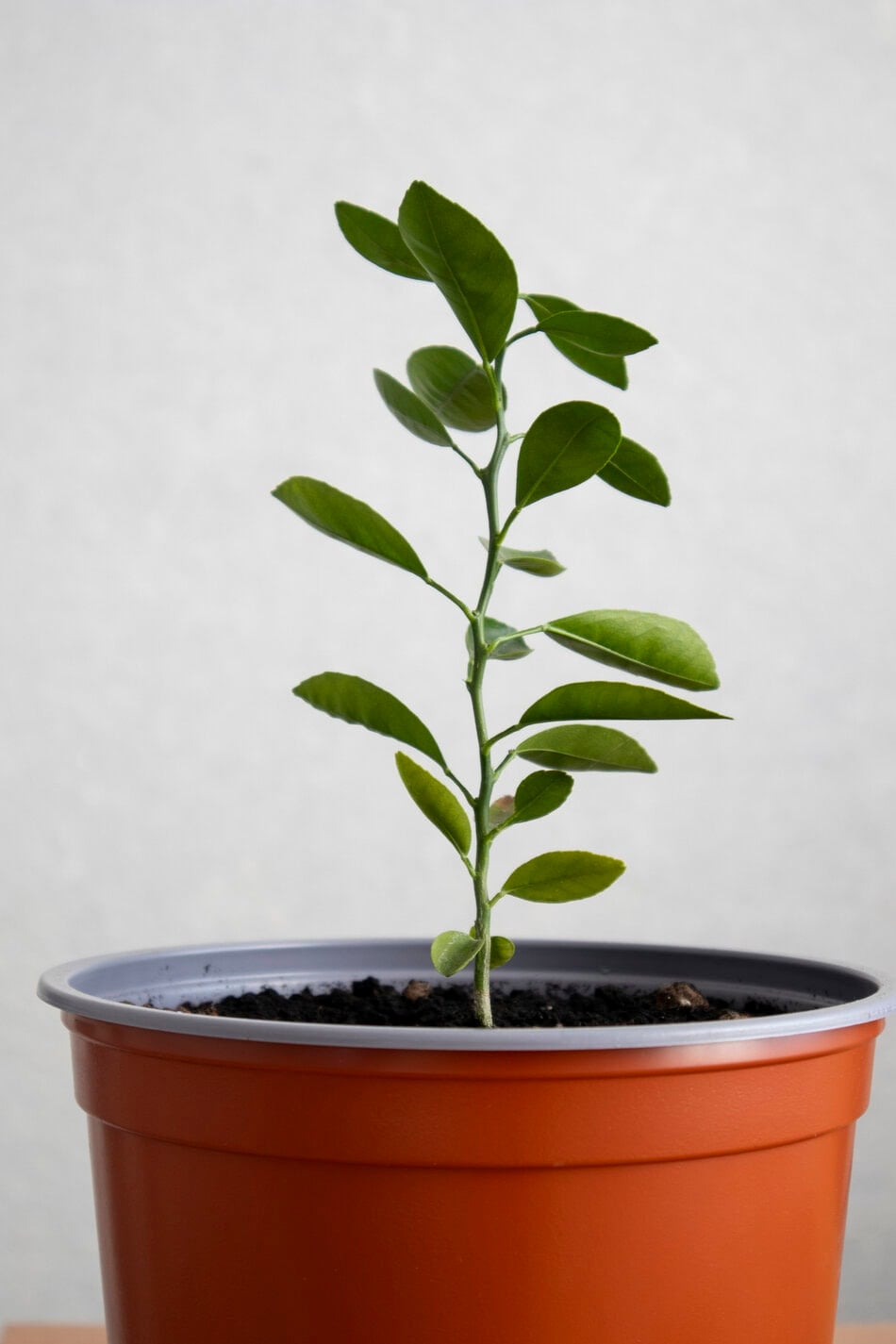
Limes follow the same citrus playbook as lemons. You can start them in a small amount of water or a damp paper towel.
Use fresh seeds right after your Friday night margaritas. If they dry out, they’re toast. You’ll have to start over, but at least that gives you an excuse for another round of margaritas.
What to expect: Similar to lemons, you’ll usually see sprouts in about 1-3 weeks, depending on how fresh the seeds are and how warm your space is.
8: Oranges (USDA Zones 9-11)
🌱 Get Your FREE 2026 Sowing Calendar! 🌱
Plan your best garden yet! This printable 2026 Sowing Calendar tells you exactly when to plant your favorite vegetables, herbs, and flowers for a thriving garden all year long.
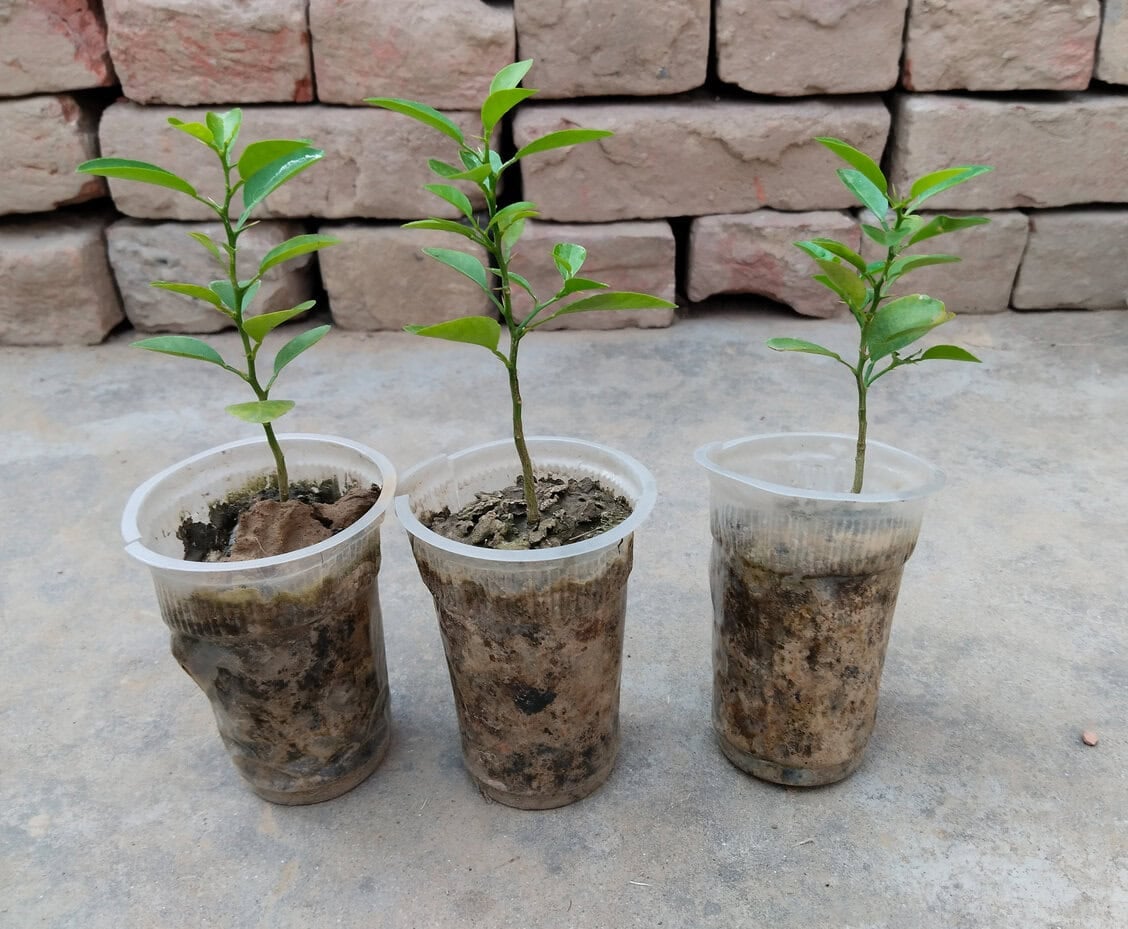
Handle their seeds precisely like you did what? The lemons.
If you can find a warm corner and a jar with a small amount of filtered water, you’ve basically done 90% of the work. Most commercial fruit fails, so plant a dozen and hope a few sprout. Play the odds.
Just keep in mind that citrus grown from seed doesn’t always match the original fruit.
What to expect: Most seeds sprout in about 2-4 weeks. Some are quick, others take their time, so planting a few improves your odds.
9: Grapefruits (USDA Zones 9-11)
These are just the larger, more ambitious cousins of the orange.
Start them the same way, with a small amount of water or a damp paper towel in a warm spot. Fresh seeds also work best.
They usually germinate reliably, but like other citrus, what you grow may not match the original fruit.
What to expect: These tend to sprout in about 2-3 weeks, especially if the seeds are fresh and kept warm.
10: Pineapples (USDA Zones 9-11)
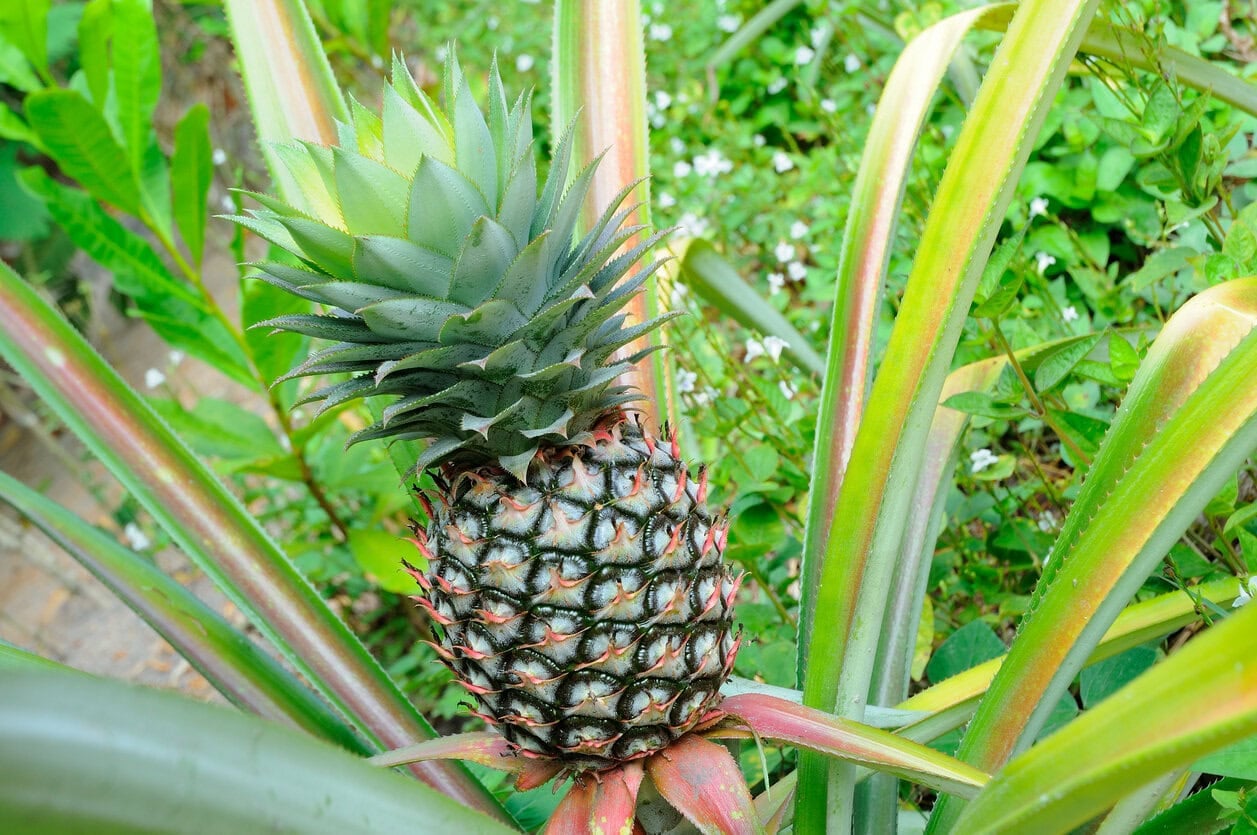
People like to “cheat” by planting the leafy crown, but technically, pineapples do have seeds if you’re willing to go full detective mode.
They have tiny hidden seeds just under the skin. Grab a microscope (just kidding) and let’s start. If you manage to find any, clean them thoroughly to avoid mold. Skip the water setup. These do better in a lightly damp environment.
Honestly, this is just a fun experiment if you’re in the mood for a challenge. They can take weeks or months to do anything at all. If you actually want a pineapple plant, the crown is still the way to go.
🌱 Get Your FREE 2026 Sowing Calendar! 🌱
Plan your best garden yet! This printable 2026 Sowing Calendar tells you exactly when to plant your favorite vegetables, herbs, and flowers for a thriving garden all year long.
Quick Tips Before You Start
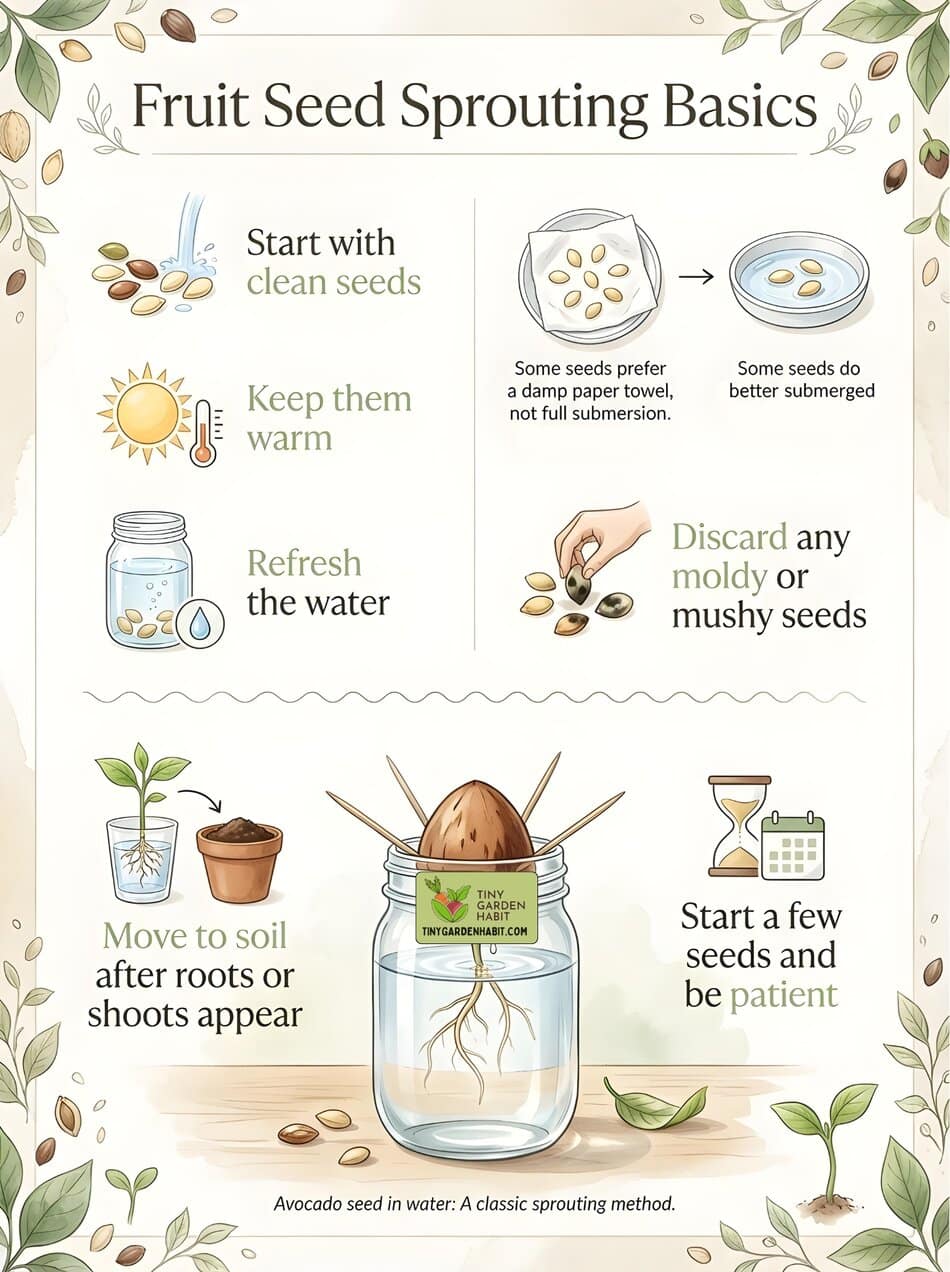
Before you turn your kitchen scraps into a full-blown plant project, a few basics will save you a lot of trial and error:
A little fresh water, a little warmth, and a reasonable amount of patience will get you farther than most fancy gear. The seeds are doing the hard part. You’re mostly just trying not to accidentally turn them into compost too early.
Shallow Water, Deep Hopes
Perhaps you noticed that social media makes gardening from seed look like a choreographed dance. In real life, we have two left feet and, if we’re lucky, at least one green thumb and a couple of good tips. Water you waiting for?
