
Introduction
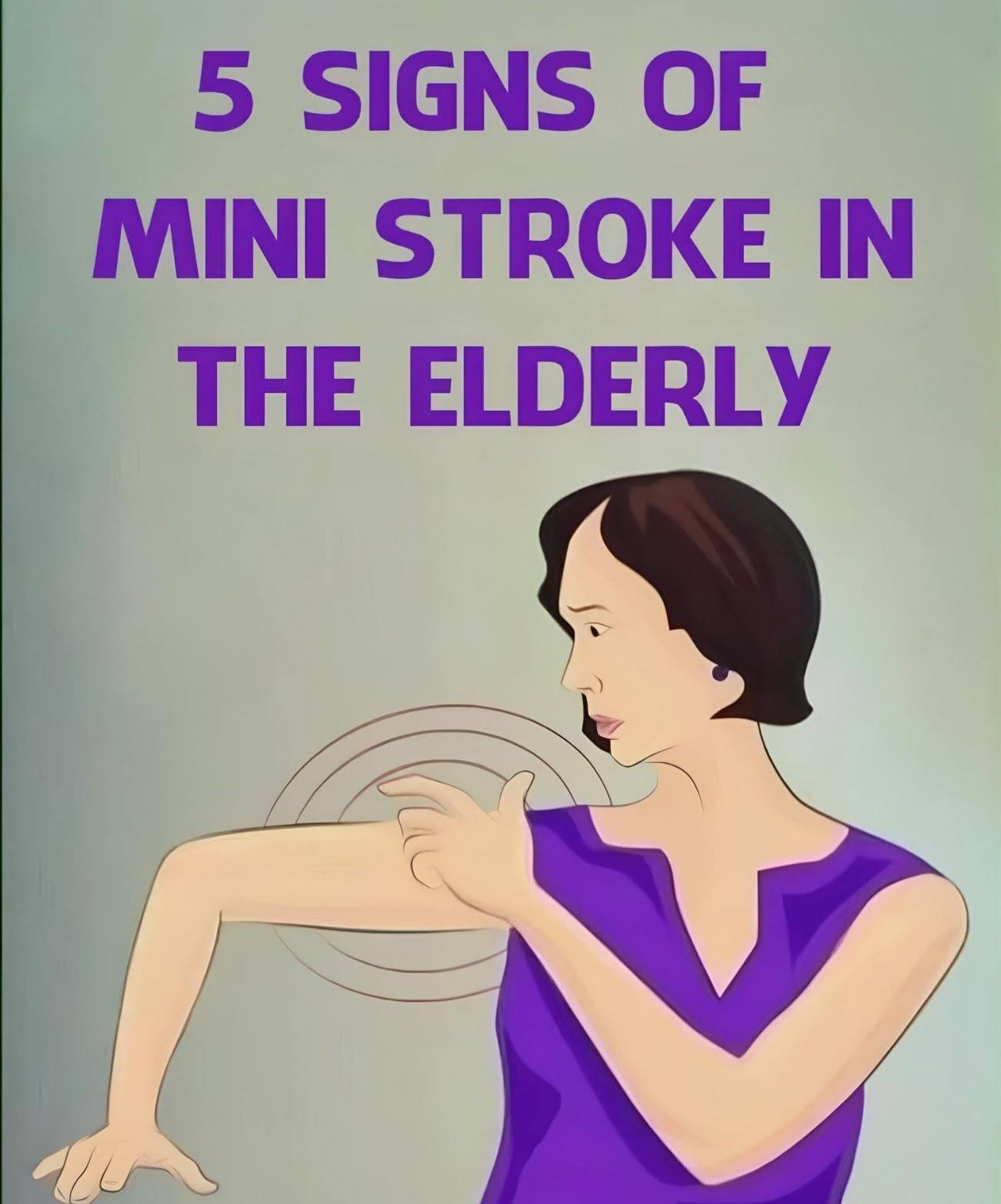
A mini stroke, also known as a transient ischemic attack (TIA), occurs when blood flow to the brain is temporarily reduced. Although the symptoms may disappear quickly, it should never be ignored. A mini stroke is often a warning sign that a major stroke could happen in the future.
Older adults are at greater risk because of conditions such as high blood pressure, diabetes, high cholesterol, and heart disease. Recognizing the warning signs early can help save a life.
1. Sudden Weakness or Numbness on One Side of the Body
What Happens?
One of the most common signs of a mini stroke is sudden weakness or numbness in the face, arm, or leg, usually affecting only one side of the body.
Common Symptoms
- A heavy or weak arm
- Difficulty lifting the arm
- Tingling or numbness
- Drooping on one side of the face
Even if these symptoms last only a few minutes, medical attention is necessary.
2. Trouble Speaking or Understanding
Some elderly people suddenly find it difficult to speak clearly or understand conversations.

Symptoms
- Slurred speech
- Trouble finding words
- Confusion while talking
- Sudden difficulty understanding others
If this happens suddenly, emergency help should be contacted immediately.
3. Loss of Balance and Dizziness
A mini stroke can affect coordination and balance.
Warning Signs
- Severe dizziness
- Difficulty walking
- Sudden falls
- Loss of coordination
These symptoms can be especially dangerous for older adults because they increase the risk of injury.
4. Sudden Vision Problems
Changes in vision may happen unexpectedly during a mini stroke.

Symptoms
- Blurred vision
- Loss of vision in one eye
- Double vision
- Trouble focusing
Any sudden vision change should be treated as a medical emergency.
5. Severe Sudden Headache
Continued on next page:
