
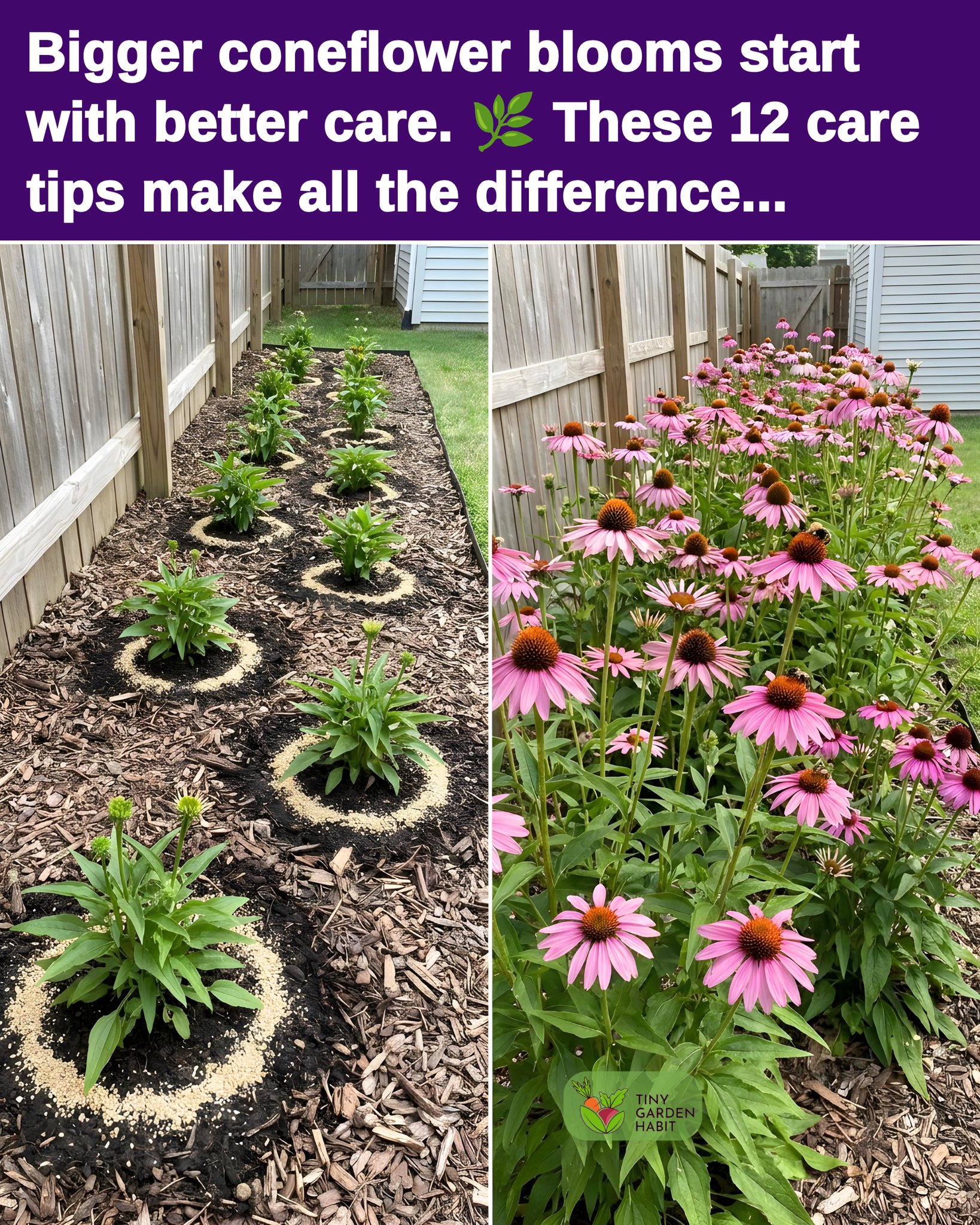
6: Deadhead for More Blooms
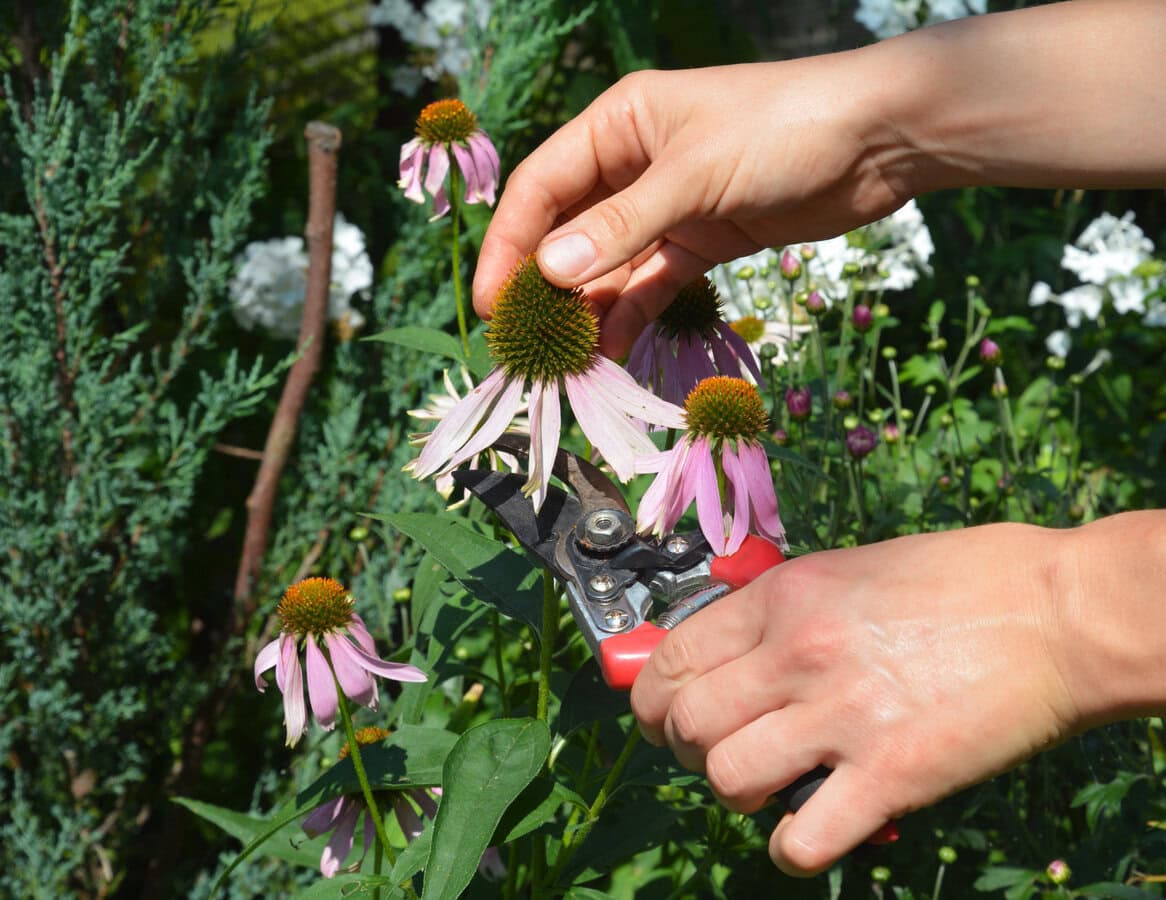

After the coneflowers are done blooming, remove the spent flowers to potentially trigger a new flush of blooms and extend blooming into late summer.
If you’d like a step-by-step guide, here’s exactly how to deadhead coneflowers without damaging next year’s growth.
7: Divide Every Few Years
Divide coneflower clumps every 3-4 years to keep the perennials multiplying and growing vigorously.
If you love dividing perennials, here are more plants to divide in the fall while the soil is still workable.
8: Keep an Eye Out for Pests and Disease
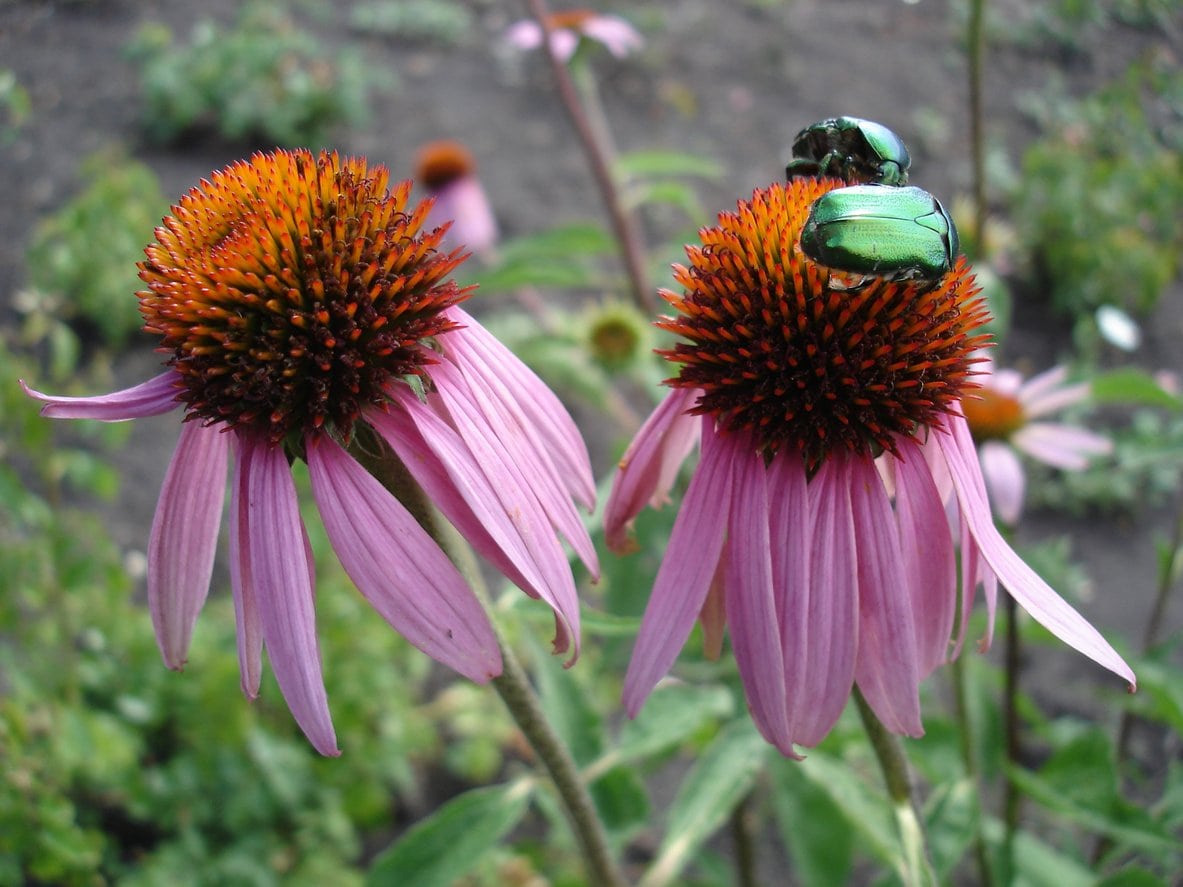
Watch out for common pests and insects like aphids and Japanese beetles. Unfortunately, coneflowers are also susceptible to fungal problems like powdery mildew, so you may have to use prevention methods like neem oil spray if needed.
To stay ahead of infestations, check out plants that benefit from neem oil spray and how to use it safely.
9: Mulch Wisely in Winter
Apply a thick layer of 2-3-inch layer of mulch around the base of your coneflowers in winter.
This will help combat temperature irregularities, suppress weeds, and retain much-needed moisture. But, make sure to keep the mulch a few inches away from the crown to prevent rot and allow good airflow around the base.
10: Cut Back at the Right Time

Cut back your coneflowers in late fall or wait until early spring once frost has passed. Some gardeners might choose to delay pruning till spring to acquire wildlife-friendly seed heads too.
11: Pair Them With the Right Companions

One of the most important aspects of gardening is undoubtedly finding the right companions for your plants. For coneflowers, black-eyed Susans, Russian sage, and different ornamental grass varieties are worth considering.
They also look lovely near flowering vines, here’s a quick guide on how to keep clematis blooming longer.
12: Leave Some Seeds for the Birds
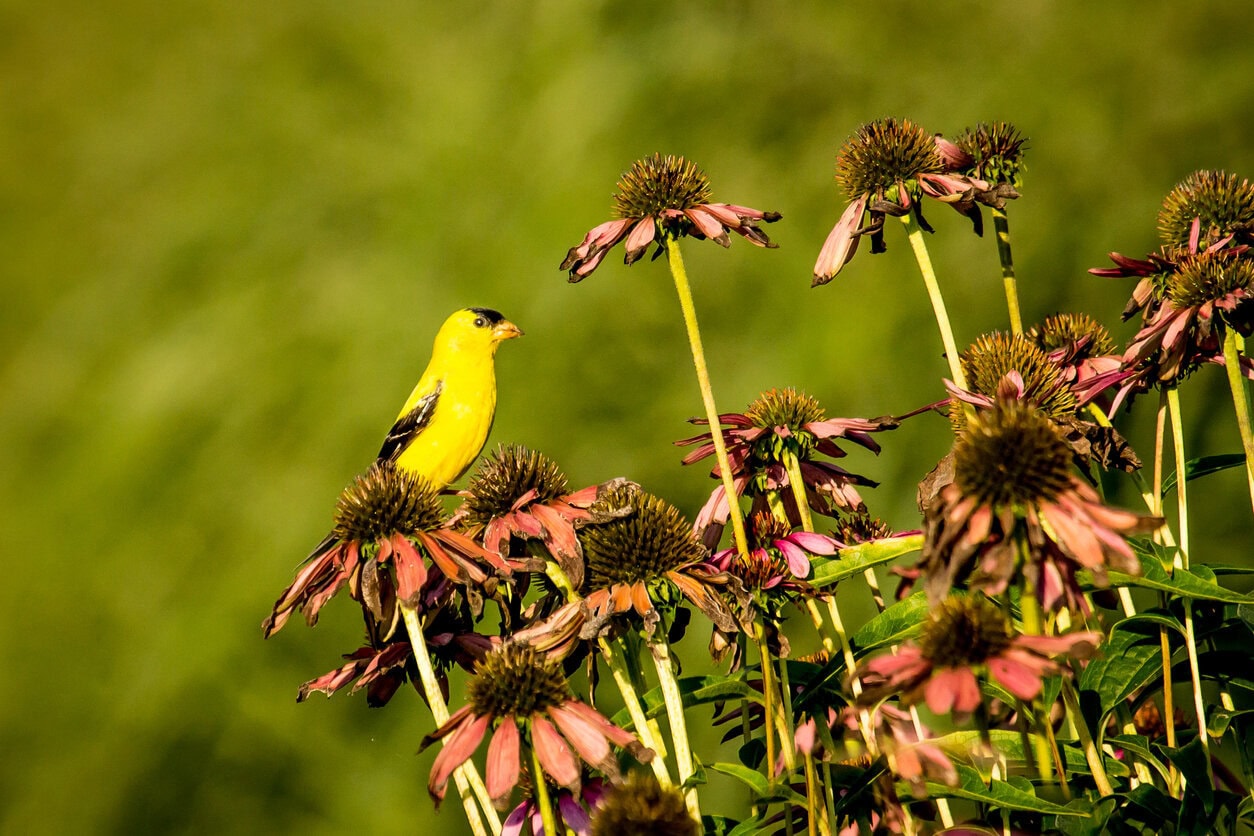
Try not to be greedy with seed heads. Birds like finches love flower seeds, so you might want to leave some behind in the garden for them. Plus, the dried cones holding those seeds add great winter interest to the landscape, so why not?
If you prefer leaving plants for wildlife, here are more plants to leave for the birds that also add beauty through winter.
Let’s Conclude

Although I’ve experimented with and grown hundreds of different plants and perennials over the years, coneflowers will always be a staple in my mom’s garden, and they hold a special place in my heart as well.
My grandma loved them, my mom loves them, and I love them just as much!
If you were unsure about how you’re going to grow coneflowers in your garden, I hope this article provided you with some answers and clarity. Now, it’s time for you to put these tips to work and actually grow some!
