
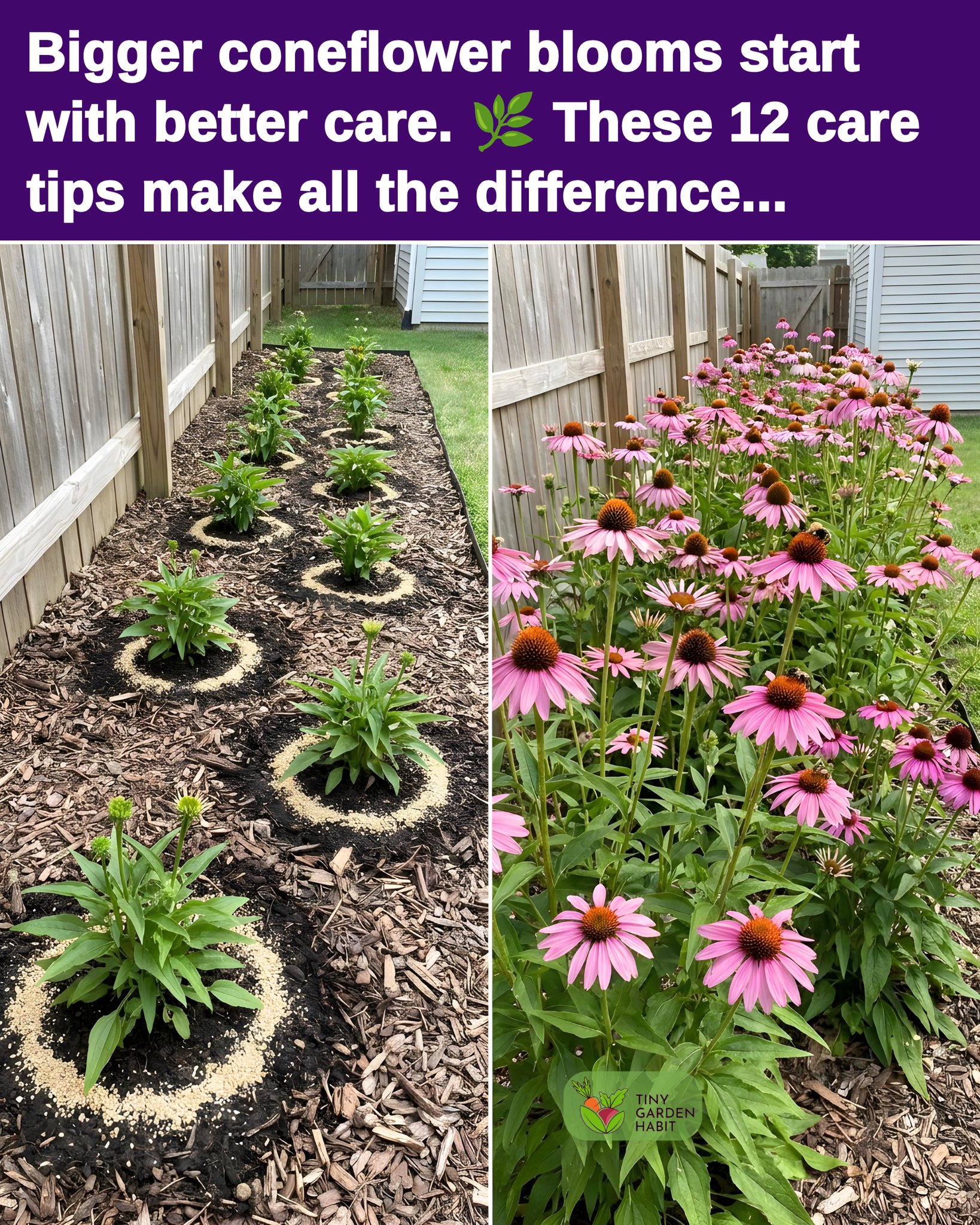
While coneflowers are some of the most popular flowers out there, they can be a pain in the bum to grow and maintain properly. As a matter of fact, the most common queries we get in our Facebook community are regarding coneflowers.
In today’s article, I’ll simplify this hardy perennial for you and share tried-and-tested tips that actually make a difference when growing coneflowers. Without wasting any more time, let’s dive straight into it!

Is It Difficult To Care For Coneflowers?

Well… yes… and no…
I’m someone who’s of the opinion that nothing is difficult or “challenging” if you’re truly passionate about it. Because I like garden work and actually enjoy it, caring for coneflowers is super simple and easy for me.
That said, if you’re doing this as a chore, you might find coneflowers a little stubborn and hard to get the hang of, especially compared to other low-maintenance flowers.
How Long Do Coneflowers Live?

Most Echinacea varieties live about 3-5 years, but with excellent care, some can thrive for up to a decade!
However, you must provide them with the right growing conditions and fulfill their constant needs to keep them healthy for so long.
Timely watering, pruning, fertilization, and division are all factors that matter for achieving vigorous, long-lasting coneflowers.
Expert Tips For Growing & Caring For Coneflowers

Here are the care practices that have worked best for me over the years.
1: Give Them Plenty of Sunlight

Keep your coneflowers in full sun. This perennial thrives with 6-8 hours of daily sun exposure. Less sunlight directly relates to fewer blooms. They’ll tolerate a bit of afternoon shade, but full sun really brings out the most vibrant flowers.
If you’re working on improving other full-sun bloomers, here are some great tips for marigolds that love sunshine just as much.
2: Choose the Right Soil
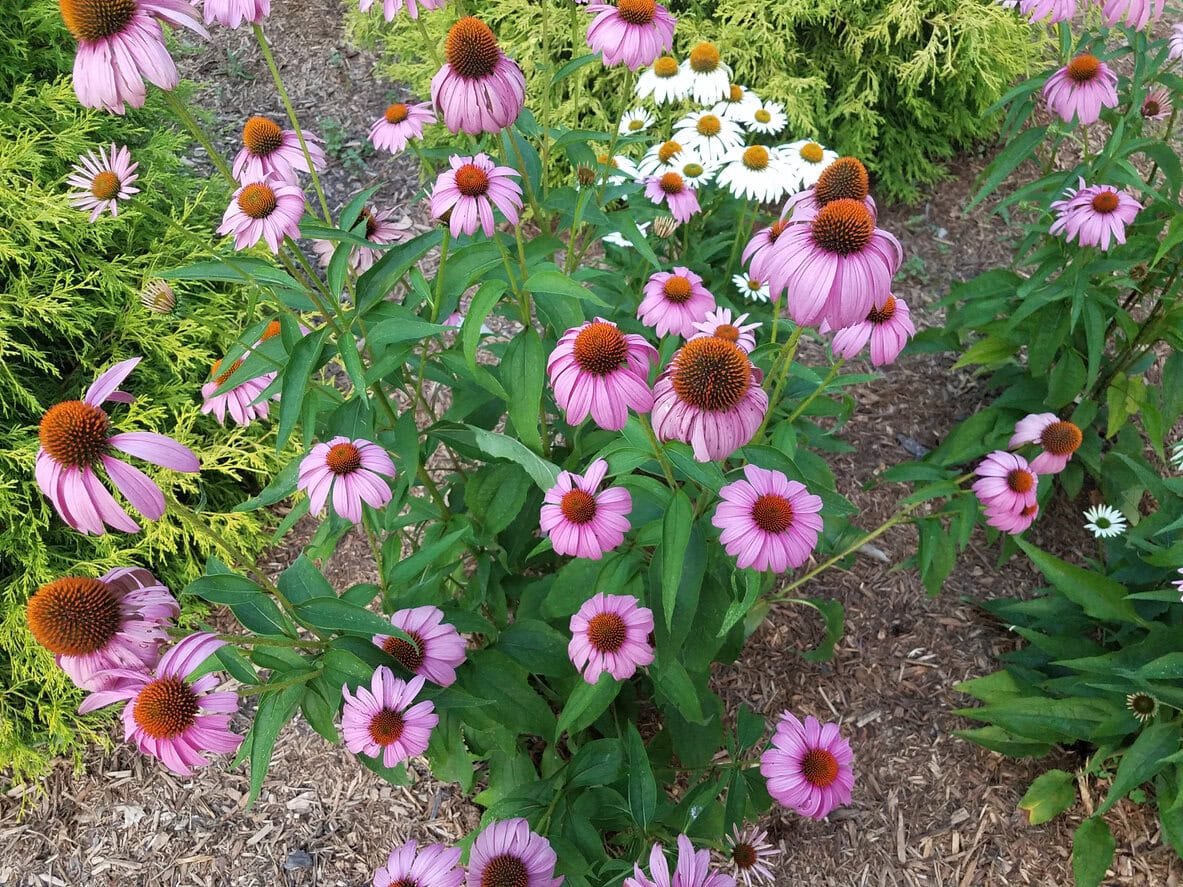
Choose well-drained soil for planting your coneflowers. They hate soggy roots and standing water. A sandy or loamy soil that drains well is ideal.
They also prefer neutral to slightly acidic soil (around pH 6.0-7.0), which helps them absorb nutrients more efficiently.
3: Don’t Crowd Them
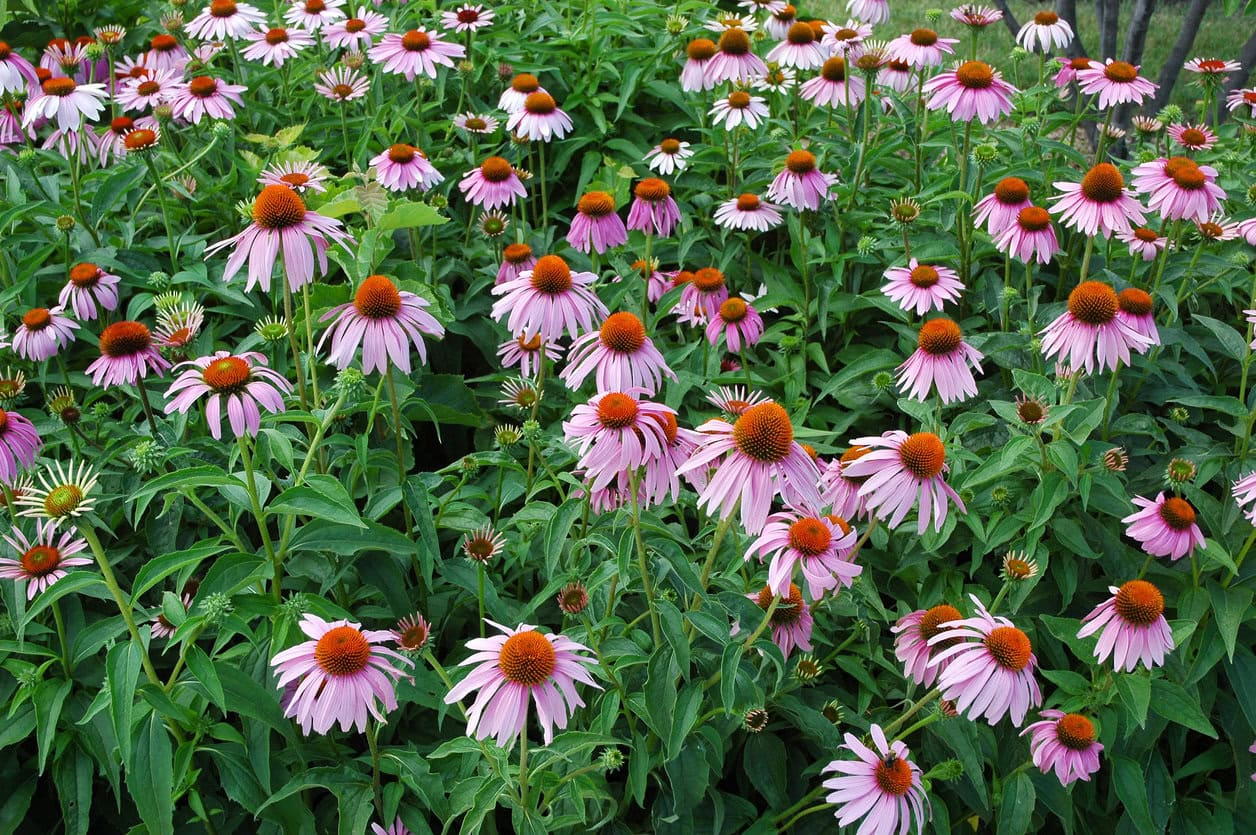
Space out your coneflowers properly. A good 18-24 inches of space between plants is ideal to avoid overcrowding and suffocation.
4: Water Deeply, Not Constantly

Try to water your coneflowers deeply but infrequently. This means you keep the watering sessions per week low, but water thoroughly every time to ensure the plant is deeply hydrated.
During dry spells, watering once a week is usually enough, just make sure the top few inches of soil dry out in between.
5: Go Easy on Fertilizer

Avoid overfeeding coneflowers with heavy fertilizers. While you might get slightly taller stems with an extra couple of doses, they’ll be weak and floppy, which you obviously don’t want.
A thin layer of compost in spring provides all the nutrients they need for the season.
6: Deadhead for More Blooms
Continued on next page:
