
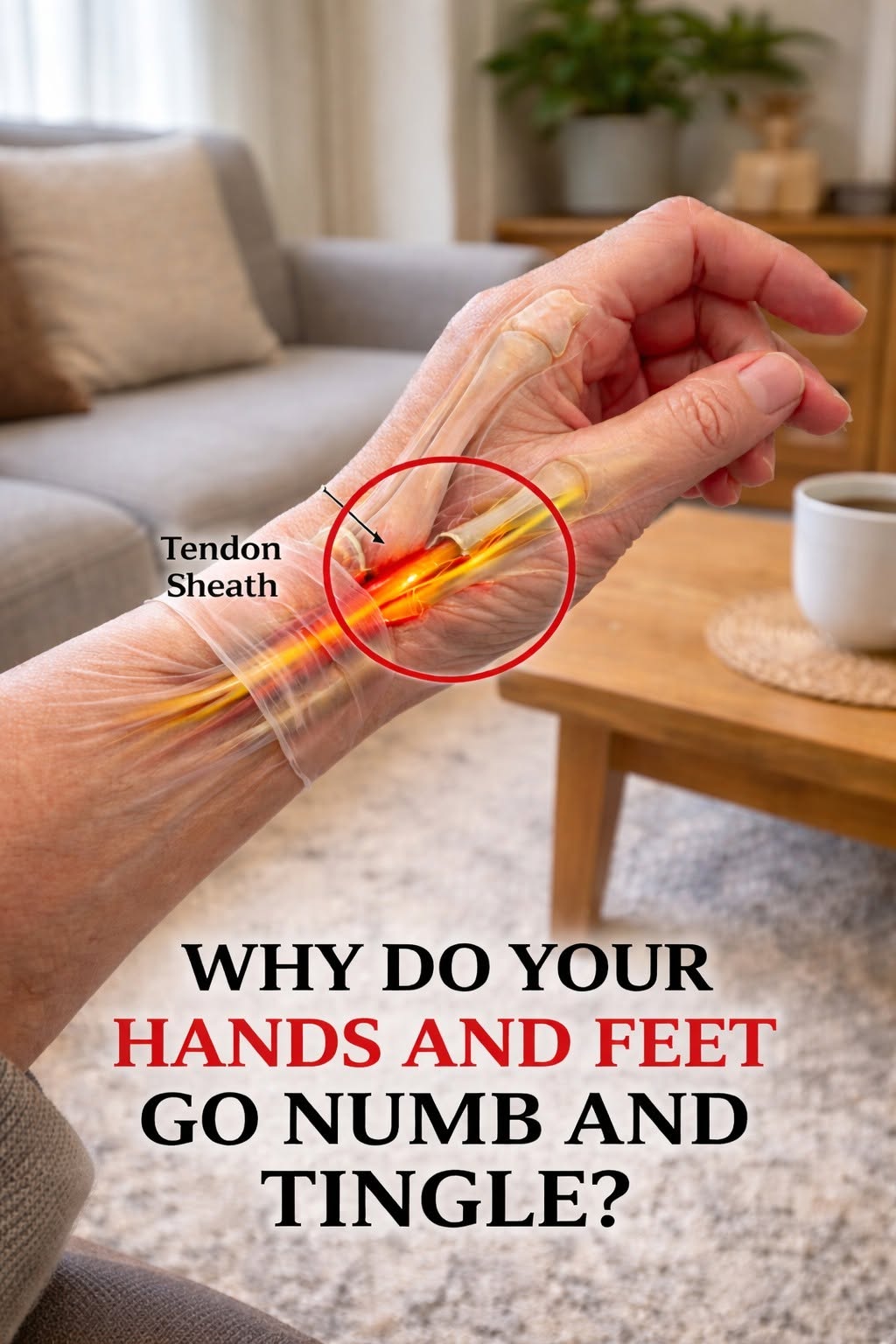

Here’s what you can do immediately:
- Change positions regularly – Avoid staying in one position for more than 30–40 minutes.
- Gentle stretches – Flex your fingers, rotate wrists, and wiggle toes every hour.
- Improve posture – Keep elbows slightly bent, shoulders relaxed.
- Support extremities – Use cushions to avoid pressure points when sitting or lying down.
- Check your diet – Include B12-rich foods like eggs, fish, and fortified cereals.
But here’s the most interesting part: even a tiny tweak in your daily routine can cut down frequent tingling dramatically, without medication.
When to Seek Medical Advice
While occasional numbness is often harmless, watch for these warning signs:
- Persistent numbness that lasts more than a few minutes
- Weakness in your hands or feet
- Pain, burning, or tingling spreading up the arm or leg
- Sudden numbness after injury or fall
If you notice these, it’s important to check with a healthcare professional to rule out conditions like neuropathy or circulation issues.
Lifestyle Tips to Keep Your Nerves Happy

- Exercise regularly – Walking or gentle stretching keeps blood flowing.
- Hydration – Dehydrated nerves are more sensitive.
- Balanced nutrition – Ensure magnesium, B12, and potassium intake.
- Ergonomic workspaces – Position keyboards, chairs, and screens to minimize pressure.
FAQ: Common Questions About Tingling and Numbness
Q1: Is it dangerous if my hand falls asleep occasionally?
A1: No, occasional tingling is normal. Frequent or persistent episodes, however, should be evaluated.
Q2: Can poor circulation alone cause tingling?
A2: Yes, but often it’s a combination of pressure on nerves and circulation issues.
Q3: Are there exercises to prevent this?
A3: Absolutely. Wrist rotations, finger stretches, and ankle circles can help maintain healthy nerve function.
Disclaimer
This article is for educational purposes only. It is not a substitute for professional medical advice. Always consult a qualified healthcare provider regarding any concerns about persistent numbness or tingling.
