
Why Do Button-Down Shirts Have Loops on the Back?
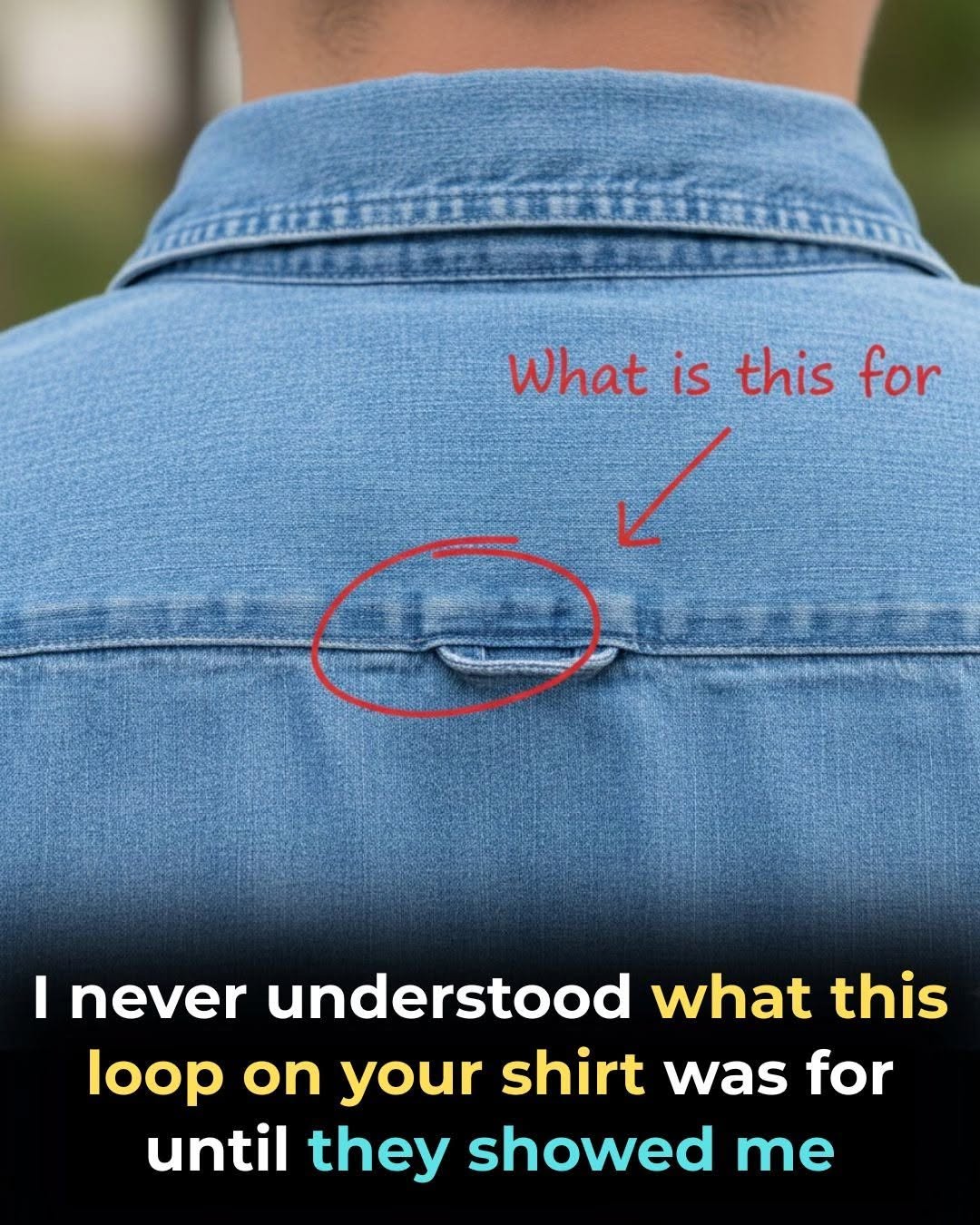
The button-down shirt has remained a timeless wardrobe staple for decades. But if you’ve ever noticed a small fabric loop sewn onto the upper back of one, you may have wondered about its purpose.
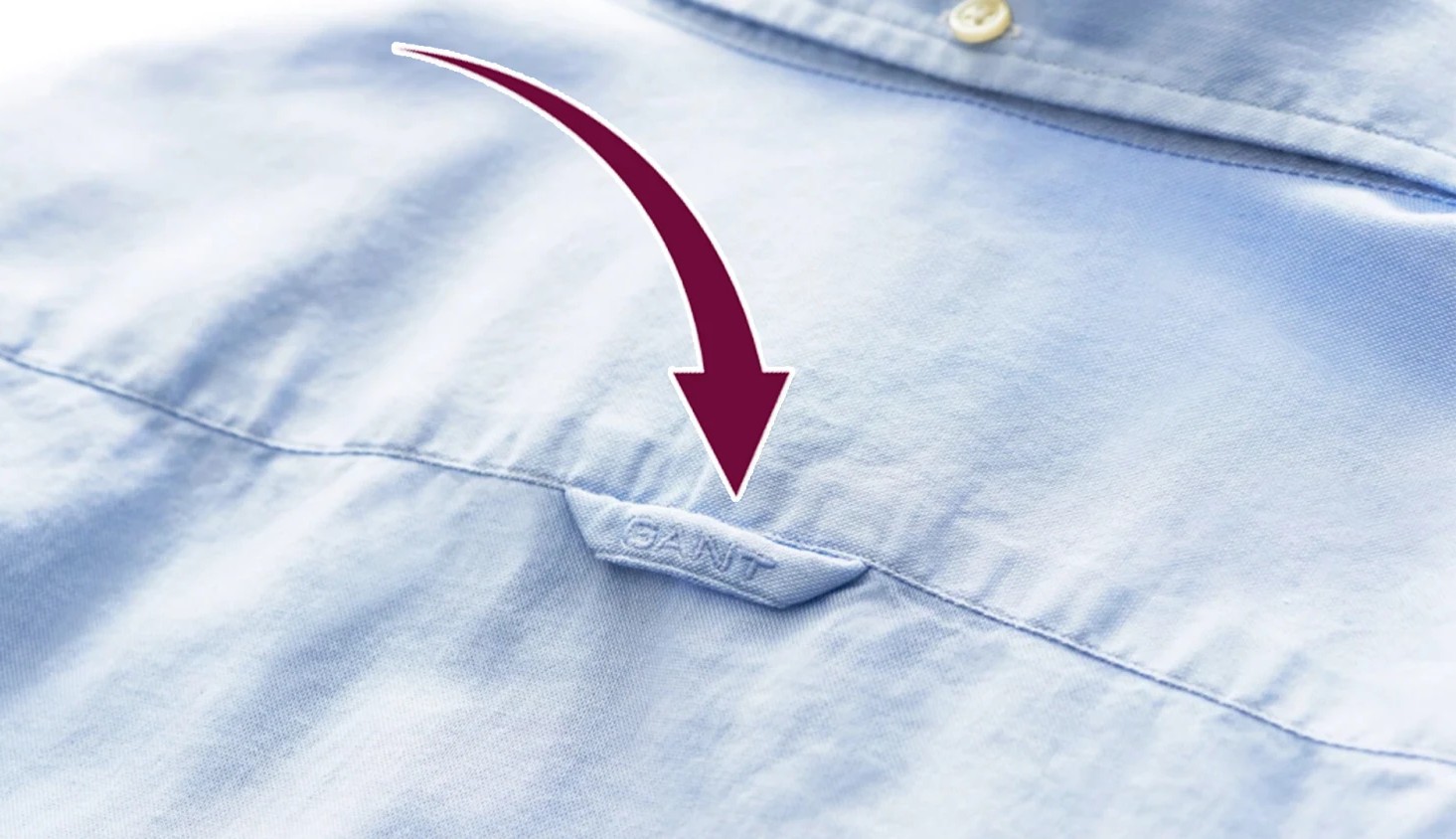
Often called a “locker loop,” this seemingly simple detail has a fascinating history that combines practicality, collegiate culture, and classic American style.
The Practical Origins of the Locker Loop
The story of the locker loop begins with the United States Navy. Sailors often worked and lived in cramped quarters where closet space was limited. To make storing clothing easier, shirts were designed with a fabric loop attached to the back yoke.
This loop allowed sailors to hang their shirts on hooks without needing traditional hangers, helping keep garments organized and reducing wrinkles.
What began as a practical military solution eventually found its way into civilian fashion, where it evolved into an iconic design feature.
The Ivy League Connection
In the 1960s, clothing manufacturer GANT helped popularize the locker loop among college students. The company promoted the feature as a convenient way for students to hang shirts inside gym and dormitory lockers.
The design quickly became associated with Ivy League fashion, a style known for its clean lines, classic tailoring, and collegiate influence.
As button-down shirts became a symbol of campus style, the locker loop transformed from a functional feature into a recognizable fashion detail.
A Symbol Beyond Function
On some college campuses, locker loops developed a social significance of their own.
According to popular campus traditions of the era, a student might remove the loop from his shirt to signal that he was already in a relationship. At the same time, girlfriends sometimes wore their partner’s sweater or scarf as a sign of affection.
In some cases, friends or admirers would playfully pull the loops from shirts as a flirtatious gesture, although this occasionally left the shirt damaged and its owner less than amused.
The locker loop started as a practical invention, but its journey through American culture made it much more than a simple piece of fabric.
How Locker Loops Became a Style Icon
As Ivy League fashion gained popularity across the United States, locker loops became associated with quality craftsmanship and traditional style.
Several clothing manufacturers adopted the feature, including brands such as Sero, Creighton, Eagle, and others. For many consumers, the presence of a locker loop became a subtle indicator of a well-made shirt.
Athletes, students, and young professionals embraced the look, helping cement its place in American menswear history.
Over time, the locker loop became less about utility and more about identity, tradition, and personal style.
Why Some Shirts Still Have Them Today
Modern closets are filled with hangers, and few people rely on hooks to store dress shirts. As a result, the original purpose of the locker loop is no longer essential for most wearers.
Nevertheless, many clothing brands continue to include locker loops as a tribute to the shirt’s heritage.
Companies such as Ralph Lauren and J.Crew still incorporate them into selected designs, preserving a connection to classic collegiate fashion and mid-century American style.
For many shoppers, the loop serves as a nostalgic reminder of traditional craftsmanship and timeless design.
A Matter of Personal Preference
 Continued on the next page
