
2. Financial Risks and Scams


One of the biggest untold dangers of late-life romance involves money.
Older adults often have savings, pensions, or property accumulated over decades. Unfortunately, this can make them targets for manipulation or even romance scams. Some people enter relationships with hidden financial motives.
Even in genuine relationships, financial complications can arise:
-
Disagreements about sharing money
-
Pressure to support a partner financially
-
Conflicts about inheritance and children
-
Loss of savings after quick remarriage or joint investments
Because of these risks, financial transparency and clear boundaries are essential before combining assets or making large financial decisions together.
3. Family Conflicts and Tension
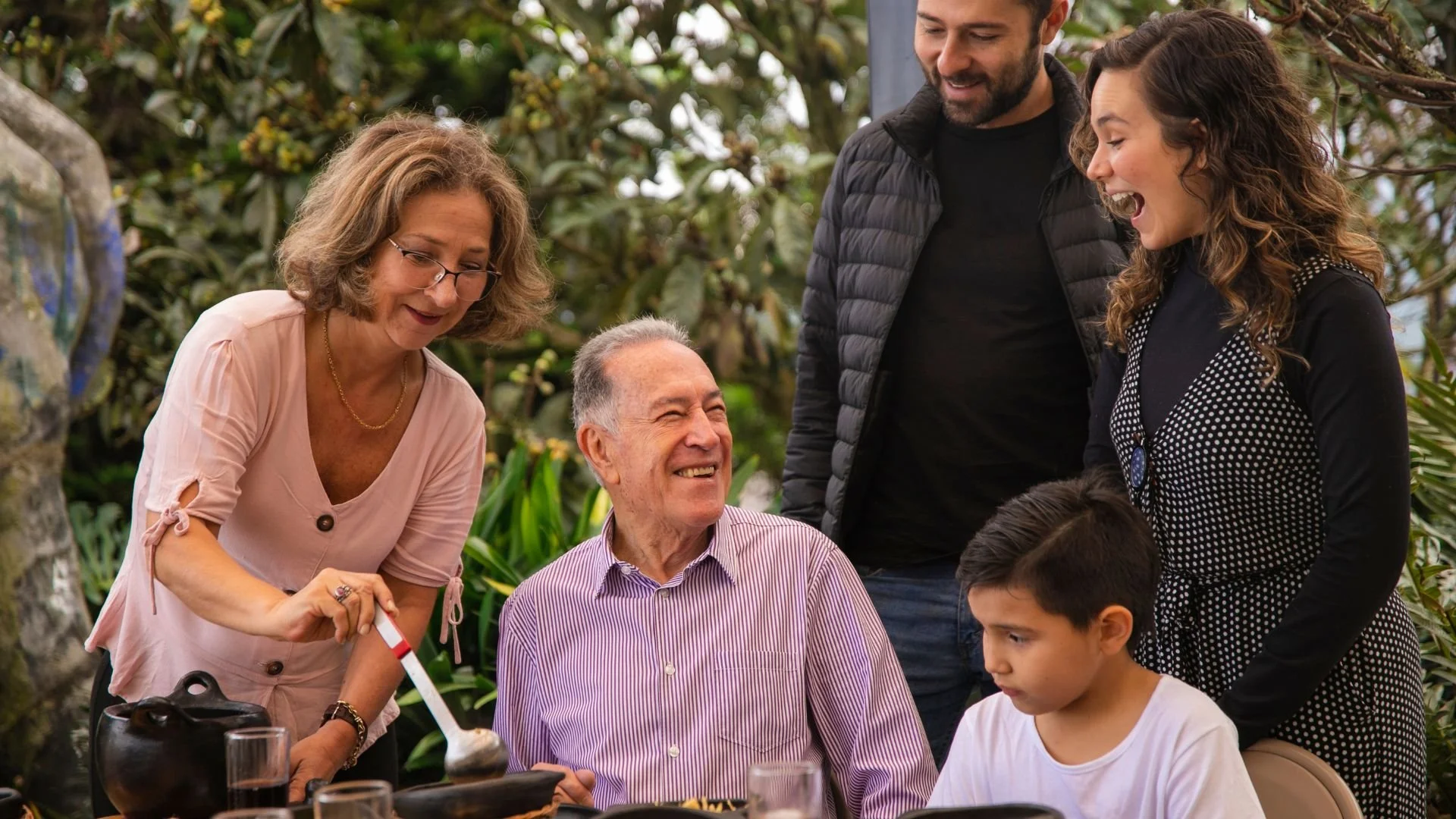

Children and relatives sometimes struggle to accept a parent’s new romantic partner. This can create emotional tension and even serious family conflict.
Adult children may worry about inheritance, manipulation, or losing the emotional connection they had with their parent. Sometimes they fear that the new partner is taking advantage of them.
On the other hand, older adults may feel judged or controlled by their own children. They might hide relationships or rush decisions to prove their independence.
Balancing family concerns with personal happiness can become one of the most complicated parts of love after 60.
4. Health and Caregiving Realities


Health issues become more significant with age. A relationship that begins with excitement can quickly shift into a caregiving role if one partner develops serious health problems.
This can create emotional and physical strain. One partner may suddenly become responsible for medical decisions, daily care, and financial management.
Without clear communication about expectations and long-term plans, these situations can create resentment, stress, or feelings of obligation rather than mutual companionship.
5. The Fear of Losing Independence



Many people in their 60s and 70s have built a comfortable independent life. They have routines, hobbies, friendships, and personal freedom that they deeply value.
A new relationship can sometimes disrupt this balance. Moving in together, merging social circles, or adjusting daily habits may create tension.
Some people feel pressured to sacrifice their independence for the relationship, which can lead to regret if the partnership becomes controlling or emotionally draining.
6. When Love Still Wins
Despite these risks, many couples find extraordinary happiness in relationships later in life. Older adults often bring wisdom, emotional maturity, and a clearer understanding of what truly matters.
Love after 60 can be calmer, deeper, and more authentic than relationships earlier in life. Partners may appreciate each other more, communicate better, and focus on companionship rather than unrealistic expectations.
The key is awareness: taking time, setting boundaries, protecting finances, and communicating openly.
✅ In the end, falling in love after 60 isn’t dangerous — falling in love blindly can be.
With patience and honesty, late-life romance can become one of the most rewarding chapters of life.
