
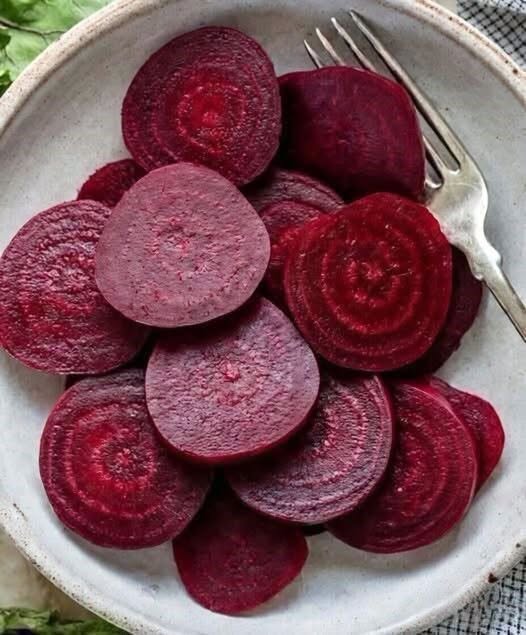
People with certain health conditions may also need to consider how much beetroot they consume. Beets contain oxalates, which can be relevant for individuals who have been advised by a healthcare professional to manage dietary oxalate because of certain types of kidney stones. Beetroot can also temporarily cause urine or stools to appear pink or reddish, a harmless effect commonly associated with eating beets. Anyone taking medication for blood pressure or managing a medical condition should discuss significant dietary changes or concentrated beetroot products with a qualified healthcare professional.
Ultimately, beets do not need to be viewed as a miracle ingredient to be valuable. Their combination of fiber, minerals, natural nitrates, and plant compounds makes them a nutritious addition to a varied diet. Whether served roasted, steamed, grated into a salad, or included in a balanced meal, beets offer an easy and flavorful way to eat more vegetables. The greatest benefit comes not from consuming one “superfood,” but from consistently building meals around a wide variety of nutritious foods.
