
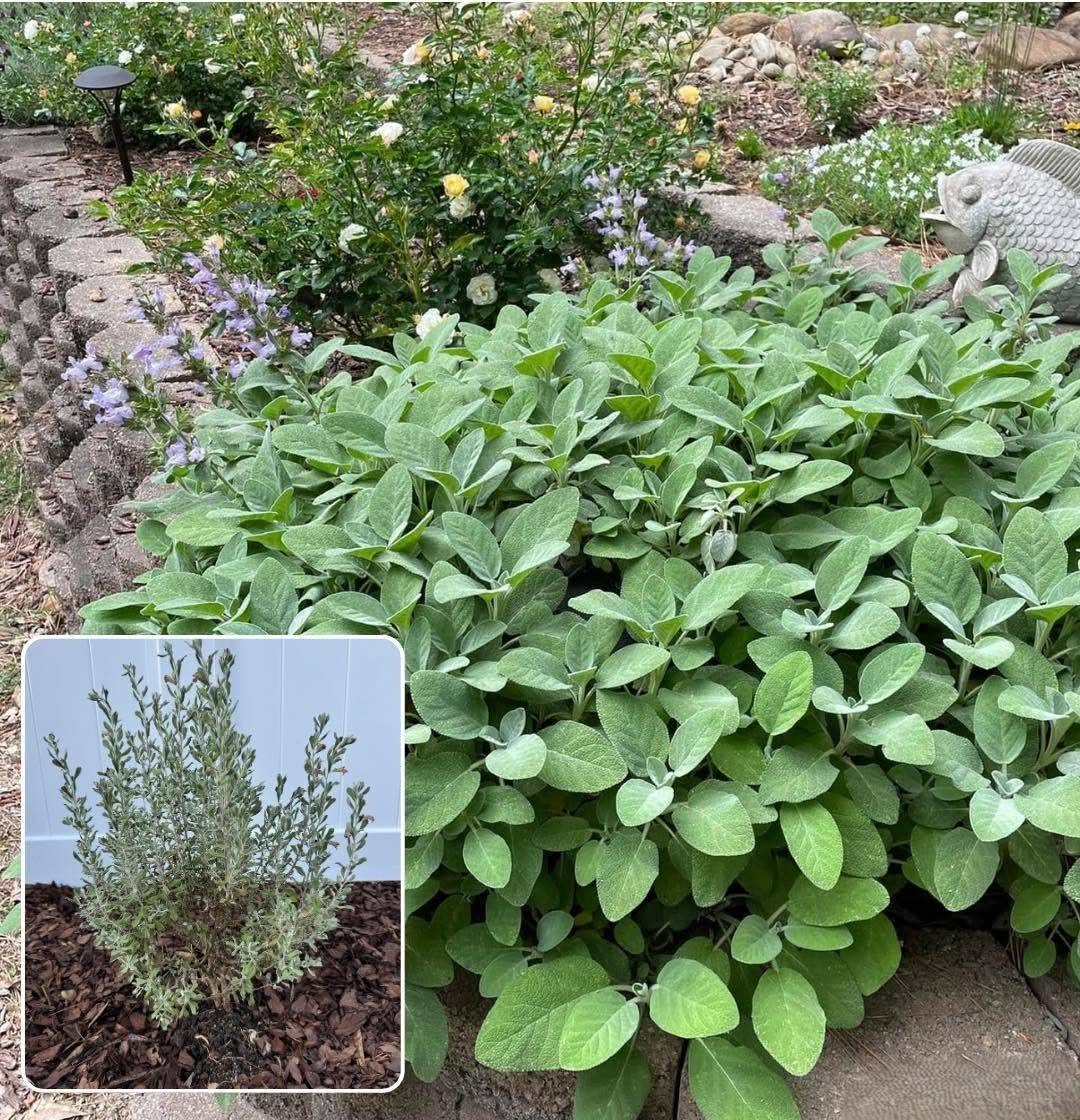
The Hidden Reason Every Backyard Needs a Sun-Drenched Sage Bush
In the world of modern landscaping, we often prioritize aesthetics or shade. We plant hydrangeas for their pillowy blue clusters or maples for their fiery autumn canopy.
However, there is a humble, woody perennial that has been sidelined to the herb garden for too long: Common Sage (Salvia officinalis).
Sage is far more than a culinary herb. It supports pollinators, adds structure to the garden, and has a long history of traditional use in wellness practices.
The hidden reason every backyard needs a sun-drenched sage bush isn’t just about the kitchen—it’s about the many ways this plant contributes to both environmental health and everyday garden enjoyment.
1. The Ecological Magnet: A Pollinator’s First Stop
If you want a garden that hums with life, sage is an excellent choice. Unlike some ornamental plants bred primarily for appearance, sage flowers provide nectar that attracts a variety of pollinators.
The Specialized Mechanics of the Salvia Bloom
Sage flowers possess a unique pollination mechanism. When a bee lands on a blossom and reaches for nectar, the flower’s structure helps transfer pollen onto the visitor, increasing the chances of successful pollination between plants.
By planting sage, you can help support local pollinator populations, including bees, butterflies, and hoverflies that play important roles in garden ecosystems.
A healthy sage bush in full bloom often attracts a remarkable diversity of beneficial insects throughout the growing season.
2. The Aromatic Garden Experience
Sage has been valued for centuries because of its distinctive fragrance. The plant’s aromatic oils create a sensory experience that many gardeners find refreshing and enjoyable.
A Plant with a Long History
The name Salvia comes from the Latin word salvere, meaning “to be well.” Throughout history, sage has been used in traditional herbal practices and culinary traditions around the world.
Simply brushing your hand across the silvery leaves releases a pleasant aroma that many people associate with calmness, focus, and relaxation.
Whether planted near a walkway, patio, or garden entrance, sage adds an extra sensory dimension to outdoor spaces.
Beyond its fragrance and flowers, sage may also help create a healthier garden by discouraging certain unwanted pests.
3. The “Guardian” Effect: A Helpful Companion Plant
Many gardeners value sage as a companion plant, especially near vegetables such as cabbage, kale, broccoli, and cauliflower.
Helping Support Garden Health
The strong aroma of sage may help discourage certain insects that are attracted to brassica crops. While it should not be viewed as a guaranteed pest-control solution, many gardeners include sage as part of an integrated gardening strategy.
Planting sage around vegetable beds can contribute to a more diverse and balanced garden environment.
4. A Year-Round Structural Anchor
 Continued on the next page
