
Disclaimer:
This is for informational purposes only. For medical advice or diagnosis, consult a professional.
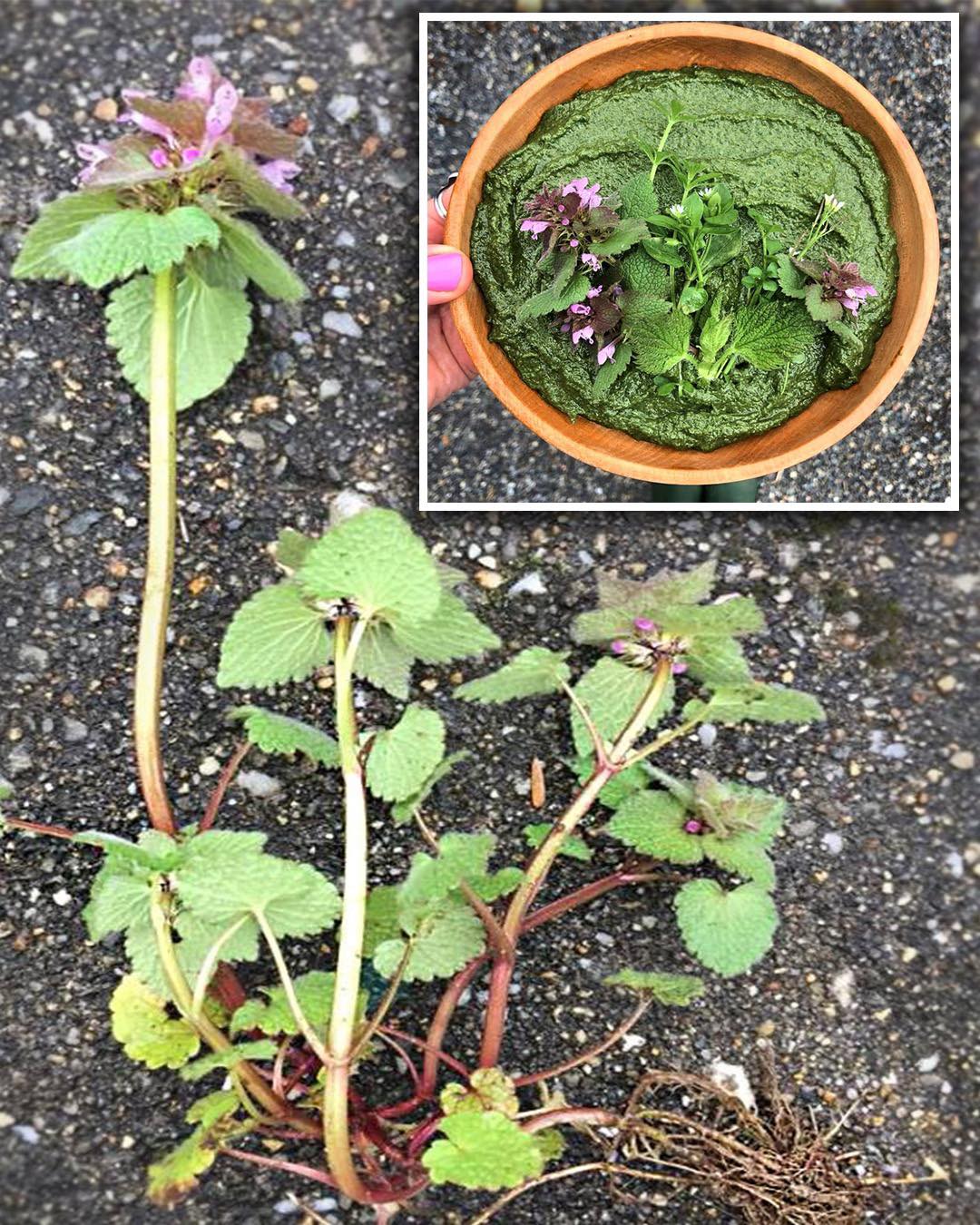
If you’ve ever looked at your garden in early spring and seen a sea of fuzzy, purple-topped plants, you’ve likely met Purple Dead Nettle (Lamium purpureum).
First things first: despite the name, it doesn’t “sting” like a stinging nettle. The “dead” part just means the hairs on its leaves are harmless. It’s actually a member of the mint family, which you can tell by its square stem. For a newbie herbalist, this is the perfect starter plant—it’s easy to find, safe to handle, and packed with benefits.
1. Fresh in Food (The Spring Tonic)
Before you dry it or turn it into medicine, you can eat it! The leaves and flowers are completely edible. They have a mild, slightly earthy, and peppery taste.
- How to do it: Chop up the fresh tops (the purple leaves and flowers) and toss them into a salad, a smoothie, or a soup.
- Best for: Boosting your immune system. It’s high in Vitamin C, iron, and fiber. Think of it as nature’s way of waking up your body after a long winter.
2. A Simple Tea (The Allergy Fighter)
If spring makes your eyes water and your nose run, this plant is your best friend.
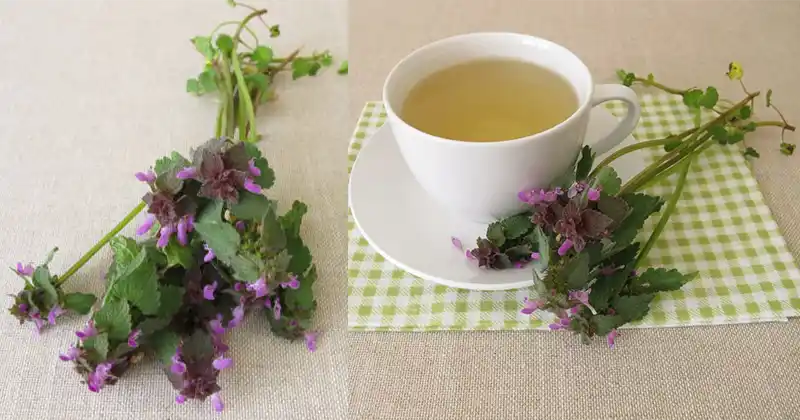
- How to do it: Steep a handful of fresh or dried leaves in hot water for about 10 minutes. Add a little honey if you don’t like the “green” taste.
- Best for: Seasonal allergies. Purple Dead Nettle is a natural antihistamine. Drinking the tea can help calm down your body’s reaction to pollen. It’s also very soothing for a scratchy throat.
3. The “Spit Poultice” (First Aid on the Fly)
This is the ultimate folk remedy. You don’t need any tools—just the plant and your own hands.
- How to do it: If you’re outside and get a cut or a sting, grab a few leaves, chew them up slightly (or crush them between two stones until they’re juicy), and paste them directly onto the wound.
- Best for: Stopping bleeding. It is a “hemostatic,” which helps blood clot. It’s a great “oops” remedy when you’re gardening or hiking.
4. The Step-by-Step Herbal Oil (The Skin Healer)
Continued on next page:
