
Step 3: Spray Only the Bad Guys
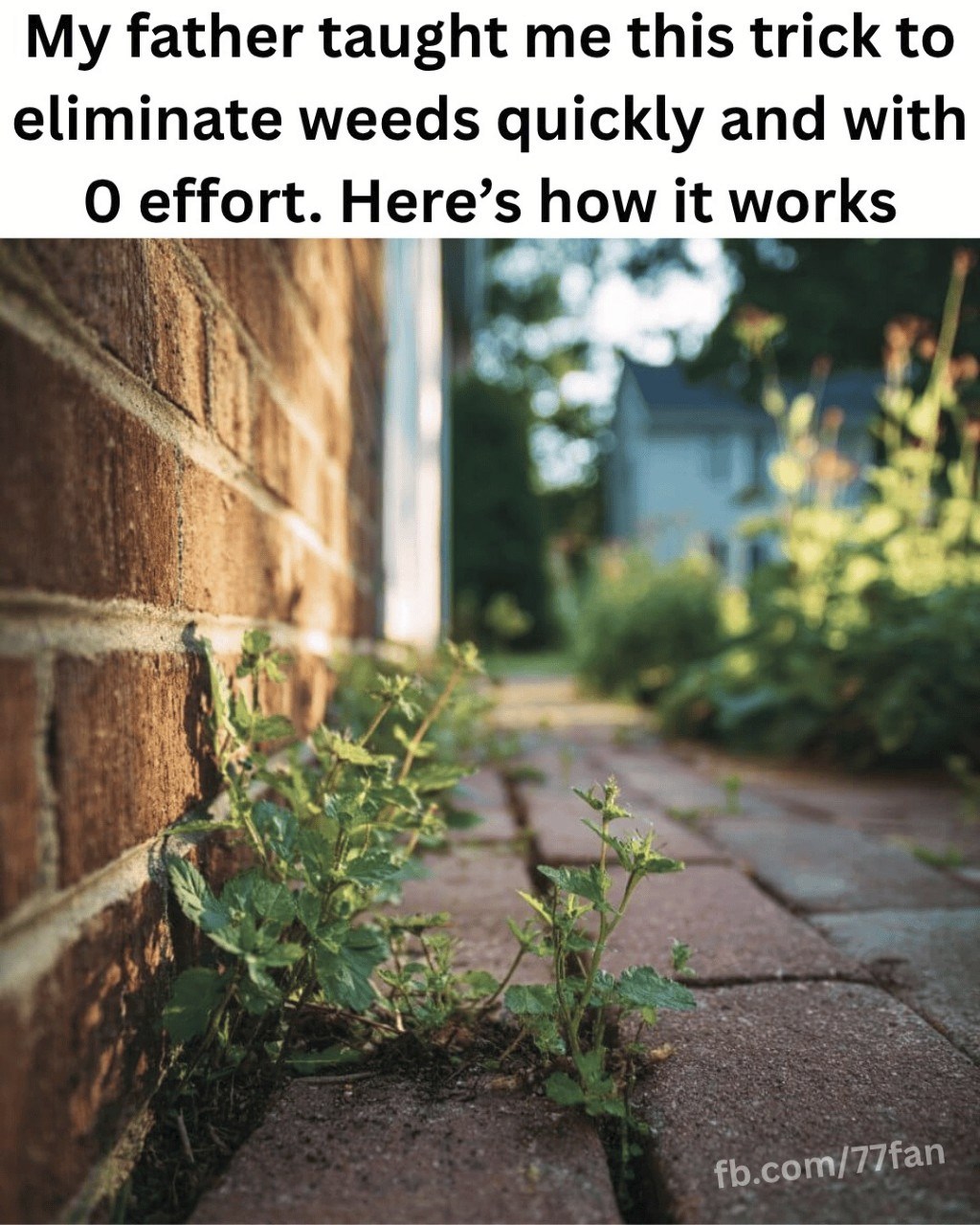
Slip on your gloves, toss on some sunglasses if you’re feeling fancy, and head out. Spray the vinegar solution directly on the weeds—leaves, stems, even those little flower heads. Try not to spray anything you want to keep alive. Vinegar doesn’t know the difference between a weed and your prized peonies.
Tip from Grandpa: If you’re worried about nearby plants, use a piece of cardboard as a shield while you spray. Works like a charm.
Step 4: Go About Your Day
This is the best part: you don’t have to do anything else. Just go have lunch, water your tomatoes, or take a nap (that was always my move). Within a few hours, you’ll notice those weeds looking sad. By the next day, most of them will be brown, shriveled, and begging for mercy.
Step 5: Pull or Leave
Once they’re good and dead, you can yank them out if you’re feeling motivated. But honestly? I sometimes just leave them until my next cleanup day. Either way, they’re not coming back anytime soon.
A Few Little Tips From the Garden Path
New weeds after rain? Hit ’em early with the vinegar spray before they get cocky.
Got mulch? Lay it down after you spray to keep new weeds from popping up.
Pesky sidewalk cracks? The spray works great between pavers and along driveways.
Is It Really Safe?
I know what you’re thinking—”Is vinegar really that safe for the garden?”
Here’s the truth: it’s safer than chemical herbicides, for sure. It breaks down quickly, won’t hang around in the soil, and won’t mess with your pets or kids once it’s dry. That said, it’s still acidic, so don’t go wild with it. Use it where you need it, and be careful around delicate plants.
And yes, never mix vinegar with bleach. Ever. Just… don’t. That combo makes a nasty gas, and nobody needs that in their life.
Will It Work on Every Weed?
Most, yes. Especially those young, leafy ones that haven’t had time to dig in their roots. Bigger weeds, like deep-rooted thistle or dandelions with full-blown taproots? You might need a second round. But the good news is—it’s so easy, you won’t mind doing it again in a few days.
I’ve taken down whole patches of weeds without breaking a sweat, and let me tell you, it’s satisfying. Especially when you didn’t even have to bend over.
Why I Still Do It Grandpa’s Way
I could’ve switched to chemical sprays years ago. Could’ve grabbed something bright and bold off the shelf with 17 warnings and a spray nozzle that makes a weird buzzing sound.
But honestly? I’d rather do it Grandpa’s way.
It’s simple. It’s cheap. It works.
And every time I mix up a batch of vinegar spray, I think of him in his straw hat, whistling to himself while he eyed the crabgrass like it had personally insulted his grandmother.
There’s something beautiful about sticking with what works. About passing down little tricks that make life easier. That’s what this is. A no-fuss, no-frills weed killer that anyone can do—no degree in botany required.
Final Thought:
If you’re tired of fighting with weeds and just want something that works, try the vinegar trick. It’s one of those little things that brings joy to gardening again—less grumbling, more growing.
And if you’ve got an old family trick like this, I’d love to hear it. We gardeners are always trading secrets, whether it’s over the fence or across a backyard picnic table.
Here’s to fewer weeds, more blooms, and a little old-fashioned wisdom that still gets the job done.
