
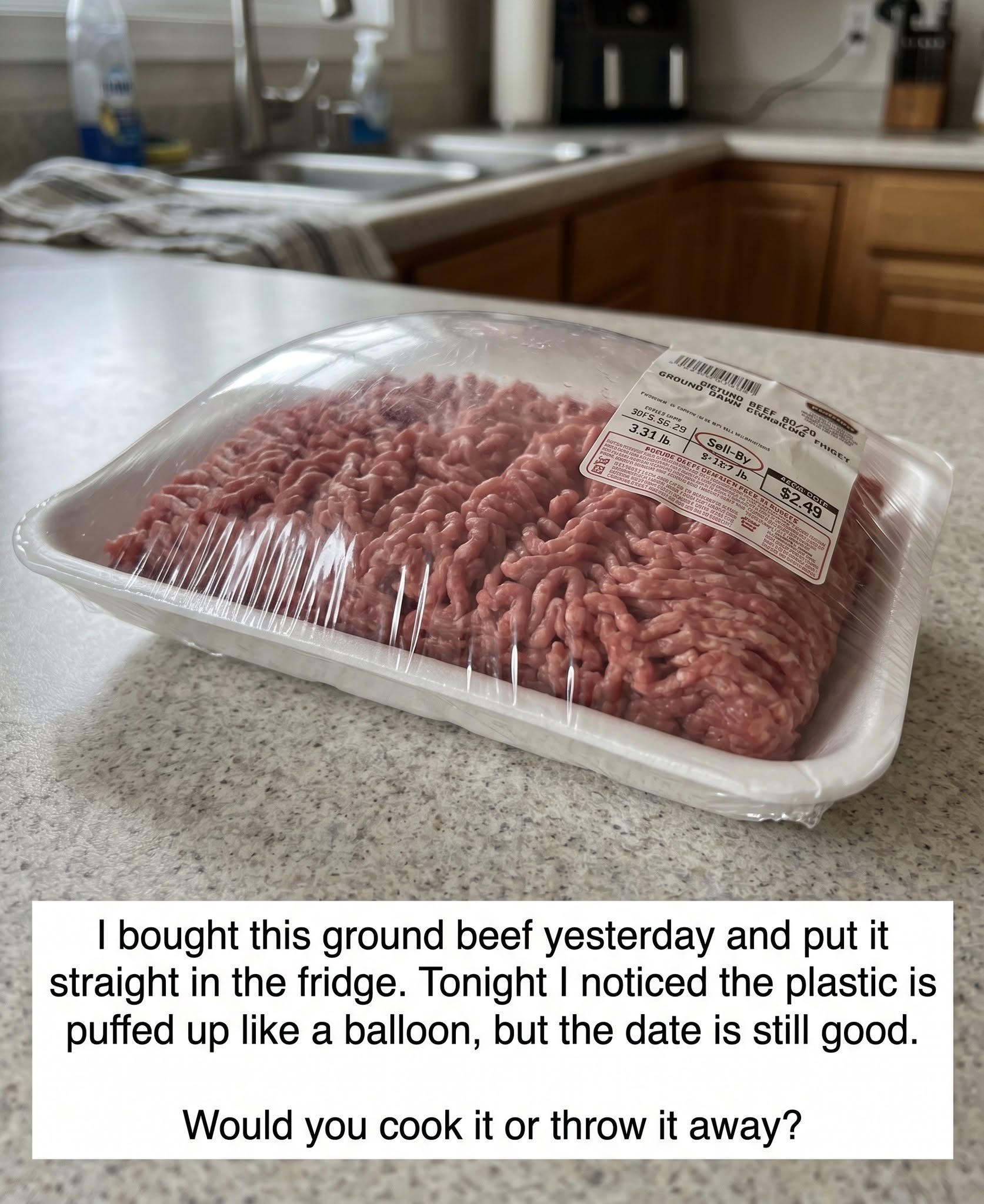
Which Foods Are Most Often Affected?
Certain types of food are more prone to bloated packaging than others (Dried and low-moisture foods are less likely.). As mentioned earlier, perishable items like cheese and sausages are at the top of the list. Dairy products, especially those stored in containers, can also exhibit bloated packaging when they go bad. Additionally, canned goods may bulge if they have been compromised.
What Should You Do to Stay Safe?
- Don’t Purchase Products with Bloated Packaging: The first and most crucial step in staying safe when shopping is to avoid products with bloated packaging. It’s a sign that something may be amiss, and it’s best not to take any chances.
- Store Food Properly: Once you’ve brought your groceries home, ensure that you store them correctly. Perishable items like cheese and sausages should be refrigerated promptly. Make sure your canned goods are stored in a cool, dry place to prevent any compromise of the packaging.
- Trust Your Instincts: If a food item appears weirdly bloated when you open it, it’s better to err on the side of caution. Discard the product, and if you have any doubts about its safety, it’s wise not to consume it.
- Before you eat, check the food’s expiration date.
Bloated food packaging can raise concerns, but it doesn’t always indicate spoiled food. Understanding the reasons behind bloated packaging and knowing which foods are most susceptible can help you make informed choices while shopping. Remember, when in doubt, it’s best to prioritize food safety and avoid products with packaging that looks suspiciously puffed up. Your health and the deliciousness of your meals depend on it.
