
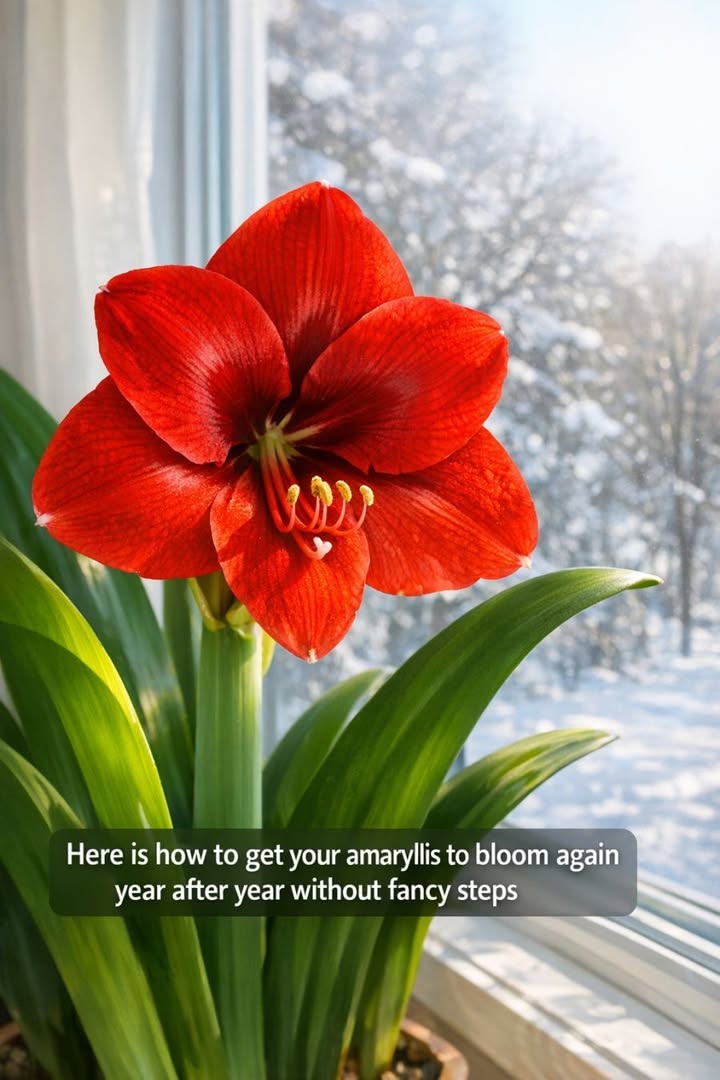
Amaryllis plants are known for their stunning, trumpet-shaped blooms that can brighten up any room during the winter months. However, many plant enthusiasts find themselves wondering how to coax these beauties into blooming again year after year. The good news is, getting your amaryllis to rebloom doesn’t require a green thumb or elaborate techniques. By understanding the natural cycle of the plant and providing some basic care, you can enjoy vibrant flowers annually.
In this guide, we’ll walk you through simple steps to ensure your amaryllis bulbs thrive and produce blooms consistently. From choosing the right bulb to giving it an easy summer vacation, these practical tips will help you become a confident amaryllis caretaker without the need for high-tech equipment or complex procedures.
1. Start With A Healthy Bulb, Not A Fancy Variety
The journey to a reblooming amaryllis starts with a healthy bulb. Choose bulbs that are firm, with no signs of mold or soft spots. Look for bulbs that are at least 2 to 3 inches in diameter, as these are more likely to produce larger and more numerous flowers.
While exotic varieties might be tempting, they often require more specific conditions to thrive. Instead, opt for a classic variety, which tends to be hardier and easier to care for. This ensures that even if conditions aren’t perfect, your plant has the best chance of thriving.
2. Give It A Bright Winter Window, Not A Complicated Light Setup
Amaryllis plants appreciate bright, indirect sunlight. Place your plant in a sunny window where it can receive at least 6 hours of light per day. South or west-facing windows are ideal for this purpose.
There’s no need to invest in expensive grow lights or complex lighting setups. Simply rotate the pot every few days to ensure even light exposure, which will help the plant grow straight and robust.
3. Water Sparingly And Avoid The Number-One Rot Mistake
One of the most common mistakes with amaryllis care is overwatering, which can lead to bulb rot. Water your amaryllis sparingly, allowing the top inch of soil to dry out between waterings.
Ensure the pot has drainage holes and use a saucer to catch excess water. It’s better to underwater than overwater, especially during the dormant period, as the bulb doesn’t require much moisture then.
4. Feed The Leaves After Flowering So The Bulb Can “Recharge”
Once your amaryllis has finished flowering, the focus shifts to leaf growth, which is crucial for the next bloom cycle. Use a water-soluble fertilizer, diluted to half strength, every 4 to 6 weeks during the growing season.
Healthy leaves are essential as they photosynthesize and store energy in the bulb, prepping it for the next flowering period. This recharge phase is key to ensuring future blooms.
5. Move It Outdoors For A Simple Summer Vacation
Amaryllis bulbs benefit from a summer outdoors. Once the danger of frost has passed, move your plant outside to a spot with dappled sunlight or morning sun and afternoon shade.
Being outdoors allows the plant to take advantage of natural light and fresh air, which boosts its health and vigor. Just remember to bring it back indoors before the first fall frost.
6. Use The Easy “Dry Rest” Trick Instead Of Refrigerators Or Closets
After the summer growing period, amaryllis bulbs need a rest period. Allow the foliage to yellow and die back naturally, then stop watering and move the pot to a cool, dry place for about 8 to 12 weeks.
This dry rest mimics the plant’s natural dormancy cycle and is critical for triggering the next bloom. Avoid the hassle of refrigeration or dark closets; a simple basement or garage will suffice.

