
There was a time when a front door played two roles. It opened and closed, and it also signaled whether someone was welcoming you. With a certain degree of formality, and richness, the sound of a front door signaled to guests that they were welcome. For many, this experience included the sound of a brass tube door chime. Typically located in a foyer, or hallway, door chimes provided older homes with both elegance and functionality.
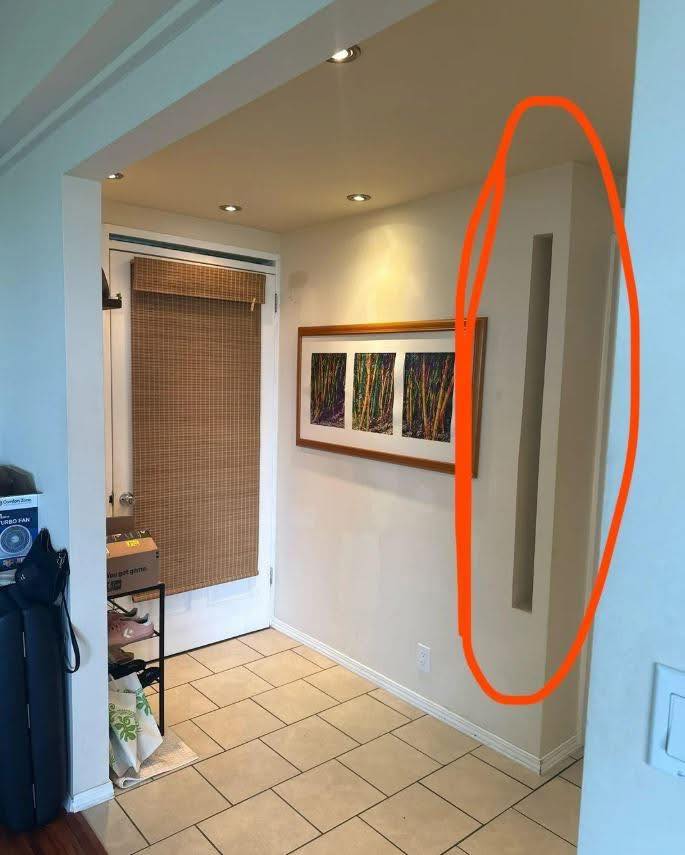
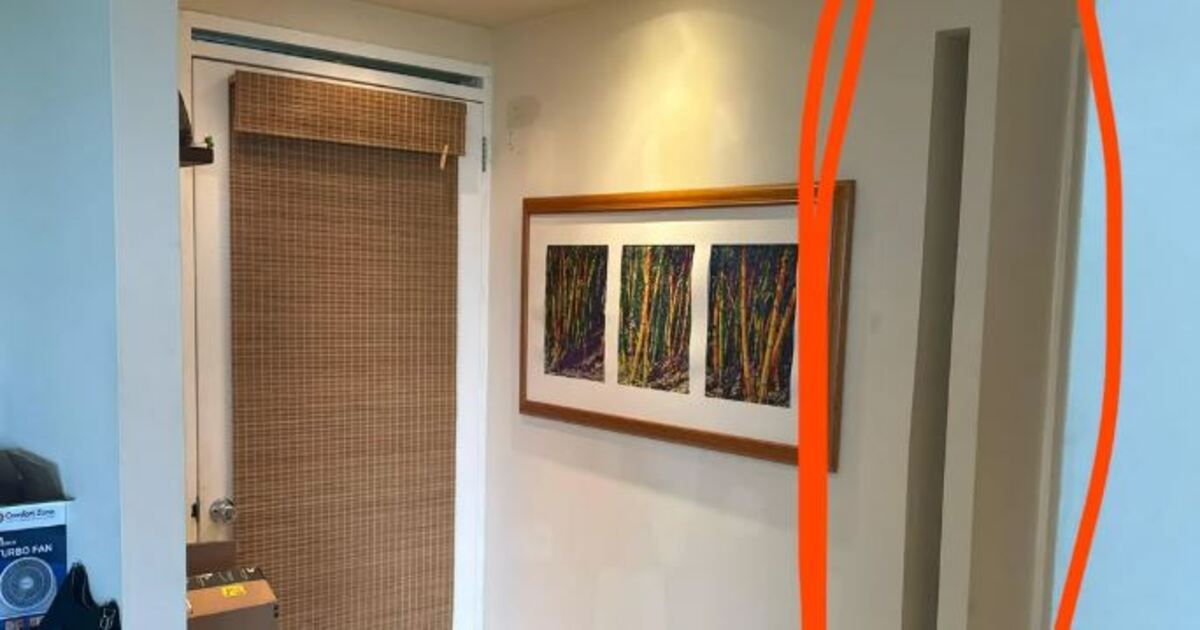
Many individuals have observed a narrow recess near an entryway and wondered if there might be a particular use for that space. While it is possible to think of many other uses for this type of space, including an intercom, a speaker, or even a decorative panel, in many homes built or renovated during the mid-century, the recess likely held a brass tube door chime. These door chimes were more than just functional hardware. They gave a mid-century home its character.
More than just a functional device, the sound of the door chime was significant. It provided an air of occasion to the arrival of a guest. Before the advent of video doorbells and motion detection, families relied on the tone of the doorbell to tell them which of the doors they were using the most. For example, the front door vs. the back door. In many cases, different tones were used for each door. To many people, this may seem like a minor detail. But it was an important part of their lives.
Why brass tube door chimes were liked by so many
One reason why door chimes were so popular was due to their design. Brass tube door chimes were beautiful. Even though they were typically installed in a wooden cabinet, or recessed into a wall niche, they still added beauty to a home. Both contractors and homeowners enjoyed the details that helped give a home a complete look. And door chimes helped accomplish that.
In addition to being beautiful, brass tube door chimes fit well with the style of the era. Mid-century homes emphasized the combination of form and function with little ornamentation. Examples of this include built-in cabinetry, room dividers, lighting fixtures, trim and molding. In addition to serving as a functional piece, door chimes fit in with the rest of the decor by adding a sense of purpose to the overall style.
Often times, the chimes were installed high enough to be heard clearly, yet low enough to add visual appeal. Often the chimes were installed in a decorative case, or in a recessed area that looked like it was specifically built for the chimes.

The foyer feature that people still recognize today
Continued on next page:
