
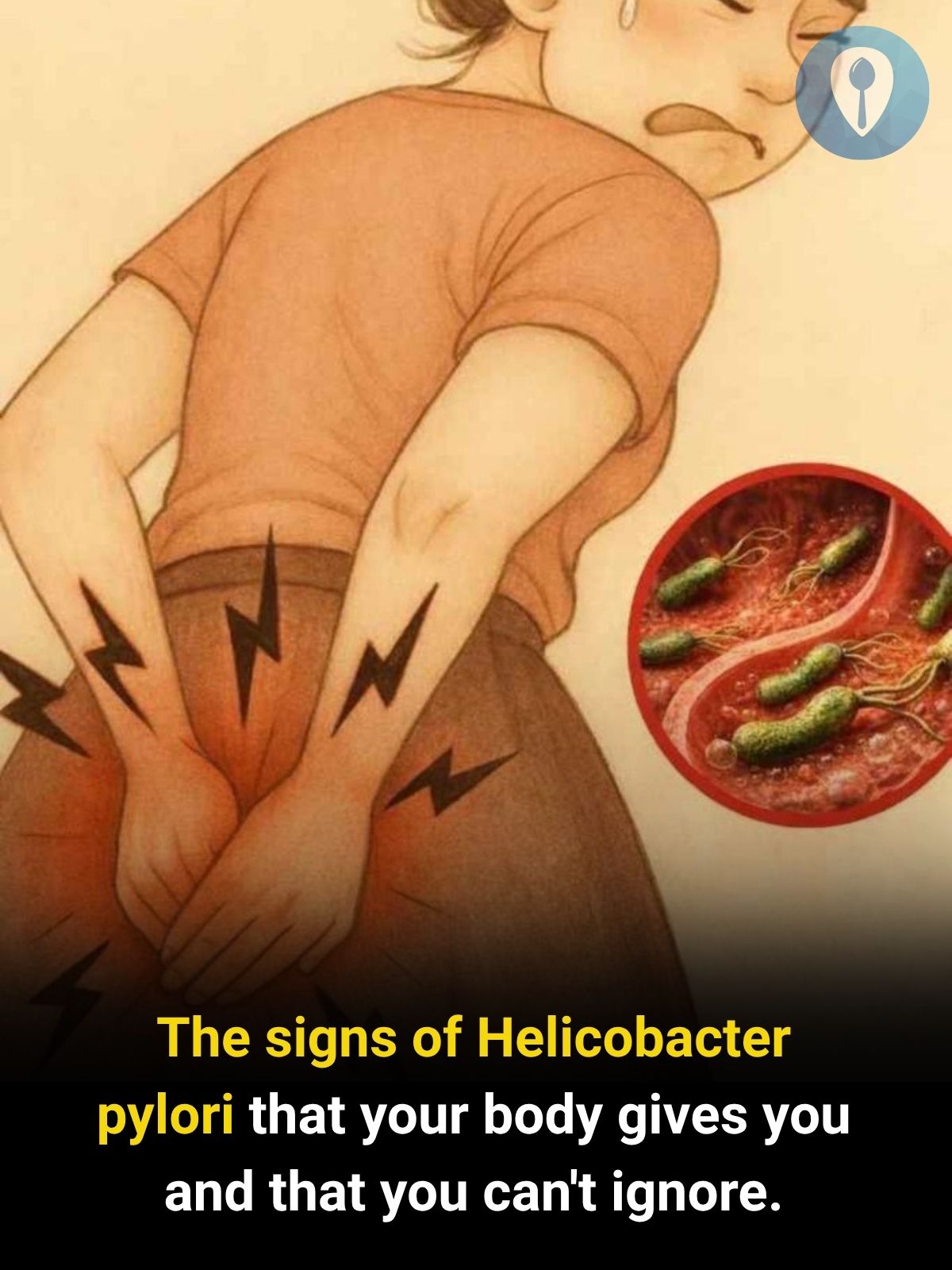
🦠 Helicobacter pylori: Symptoms, Causes, and Treatment


7
📌 What is Helicobacter pylori?
Helicobacter pylori (H. pylori) is a type of bacteria that lives in the stomach. It can damage the stomach lining and may lead to inflammation, ulcers, or more serious conditions if left untreated.
⚠️ Common Symptoms
Many people don’t notice symptoms, but when they appear, they may include:
- 🔥 Burning or aching stomach pain (especially on an empty stomach)
- 🤢 Nausea or vomiting
- 😖 Bloating and frequent burping
- 🥴 Loss of appetite
- ⚖️ Unexplained weight loss
- 🩸 In severe cases: blood in stool or vomiting blood
🦠 How does it spread?
H. pylori can spread through:
- Contaminated food or water
- Poor hygiene (not washing hands properly)
- Close contact with an infected person
🧪 How is it diagnosed?
Doctors may use:
- Breath test
- Stool test
- Blood test
- Endoscopy (in certain cases)
💊 Treatment
Treatment usually involves:
- 🧴 Antibiotics (to kill the bacteria)
- 💊 Medications to reduce stomach acid
- 🛑 Completing the full course is very important to prevent recurrence
🛡️ Prevention Tips
- Wash hands regularly
- Drink clean, safe water
- Avoid contaminated or unhygienic food
- Don’t share personal utensils
⚡ Important Note
If you have ongoing stomach pain or any of these symptoms, don’t ignore them—see a doctor. Early diagnosis can prevent serious complications.
