
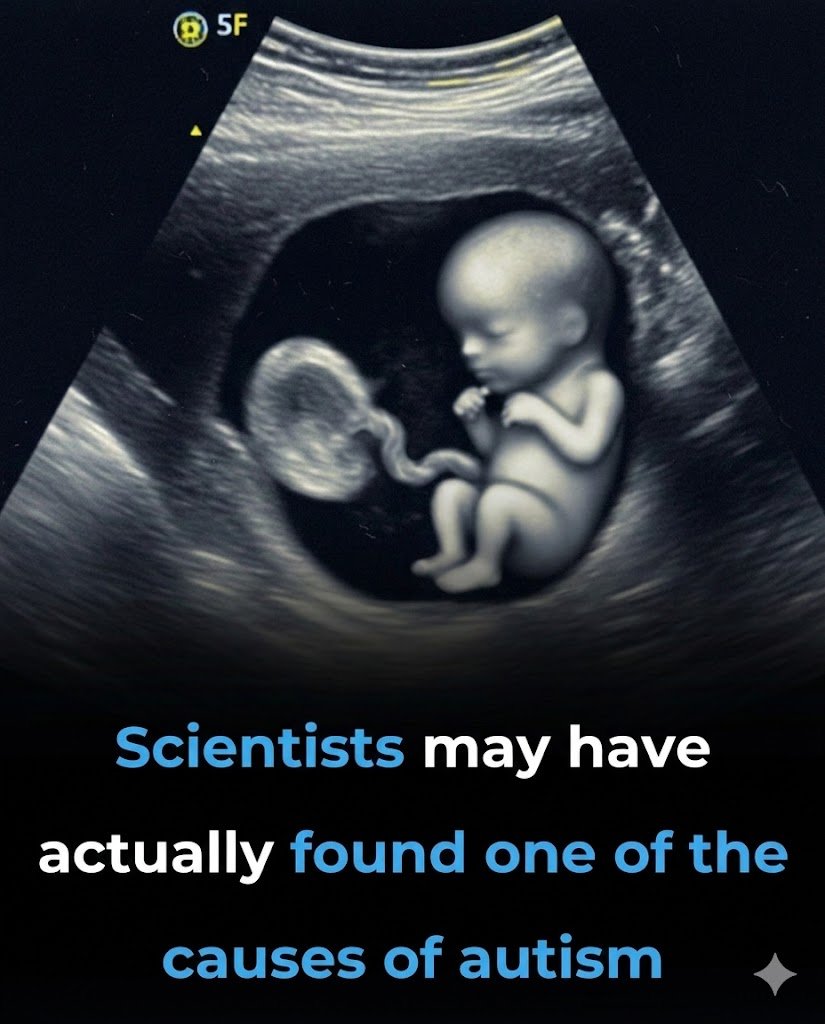
🧠 Autism Research: Scientists Identify a Possible Biological Cause

📚 Introduction
Recent scientific research has brought new insights into the possible biological causes of Autism Spectrum Disorder (ASD). Scientists studying early brain development have identified mechanisms that might contribute to autism before a child is even born.
Autism is a complex neurodevelopmental condition affecting communication, behavior, and social interaction. Researchers have long believed that autism results from a combination of genetic and environmental factors, rather than a single cause.
🔬 What Scientists Recently Discovered
Some recent studies suggest that changes in early brain development during pregnancy may play an important role.
Researchers observed that:
-
Certain genes controlling brain growth and neuron connections may function differently in children with autism.
-
Early development of neuronal circuits (how brain cells connect) may occur in unusual patterns.
-
The immune system of the mother during pregnancy might influence fetal brain development in some cases.
These findings suggest autism could begin during the prenatal stage, when the brain is forming rapidly.
🧬 Role of Genetics
Scientists have identified hundreds of genes linked to autism risk.
Some key points:
-
Mutations or variations in genes involved in synapse formation (connections between neurons) can affect brain communication.
-
Autism sometimes runs in families, showing a strong hereditary component.
-
However, no single “autism gene” exists—it is usually a combination of genetic factors.

-
🌍 Environmental Factors Being Studied
- Continued on next page:
-
Pages: 1 2
