
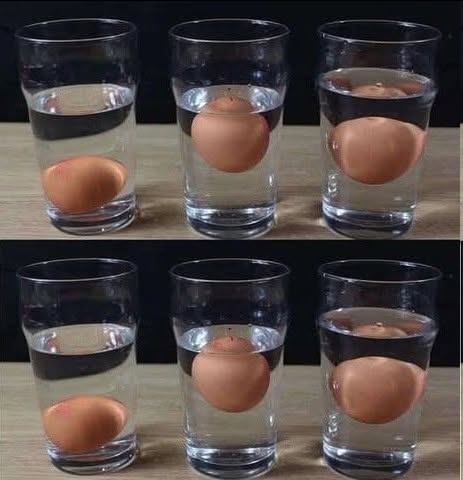
✅ What to Do With Older (But Still Good) Eggs
Not all older eggs are bad!
Use slightly older eggs for:
- 🍳 Hard boiling — they peel easier than fresh ones
- 🧁 Baking — where texture matters less
- 🍜 Scrambled eggs or omelets — cook thoroughly
✅ Just avoid using questionable eggs in dishes like poached eggs or sunny-side up, where freshness is key.
❌ When to Toss an Egg
Discard eggs if they:
- Float in water
- Smell bad
- Have cracked or slimy shells
- Show pink, green, or iridescent discoloration
- Are past the “use-by” date by more than 3–5 weeks
🗓️ Eggs can last 3–5 weeks in the fridge from the day they were laid.
🥣 Bonus: How to Store Eggs for Maximum Freshness
🐔 Farm-fresh eggs? Store at room temp only if unwashed and used within 1–2 weeks.
Final Thoughts
You don’t need a PhD to know if an egg is safe — just a bowl of water, a quiet kitchen, and these 5 simple tests.
By checking freshness before you cook, you’ll:
- Avoid kitchen disasters
- Reduce food waste
- Cook with confidence
So next time you reach for eggs…
take 10 seconds to test.
Because the best omelet starts not with a recipe —
but with a fresh, high-quality egg.
And that’s something worth cracking open.
