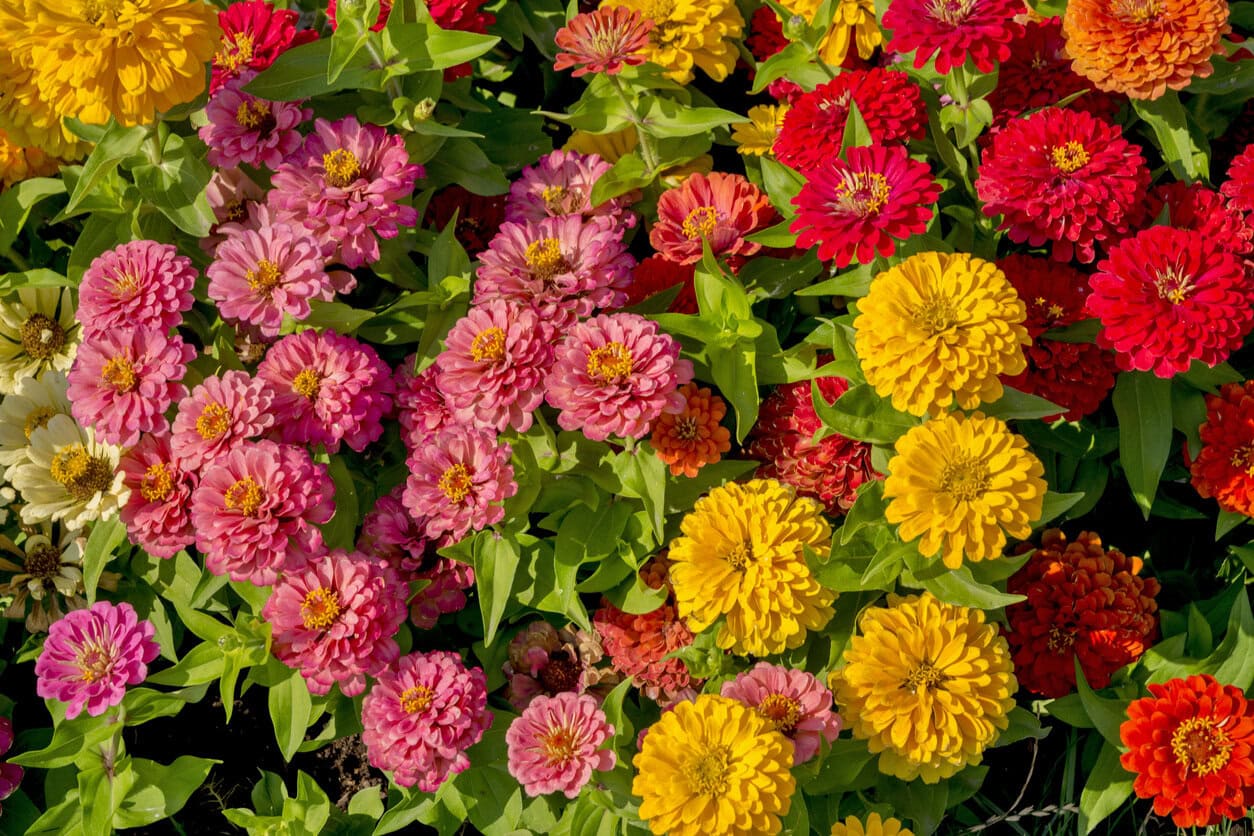
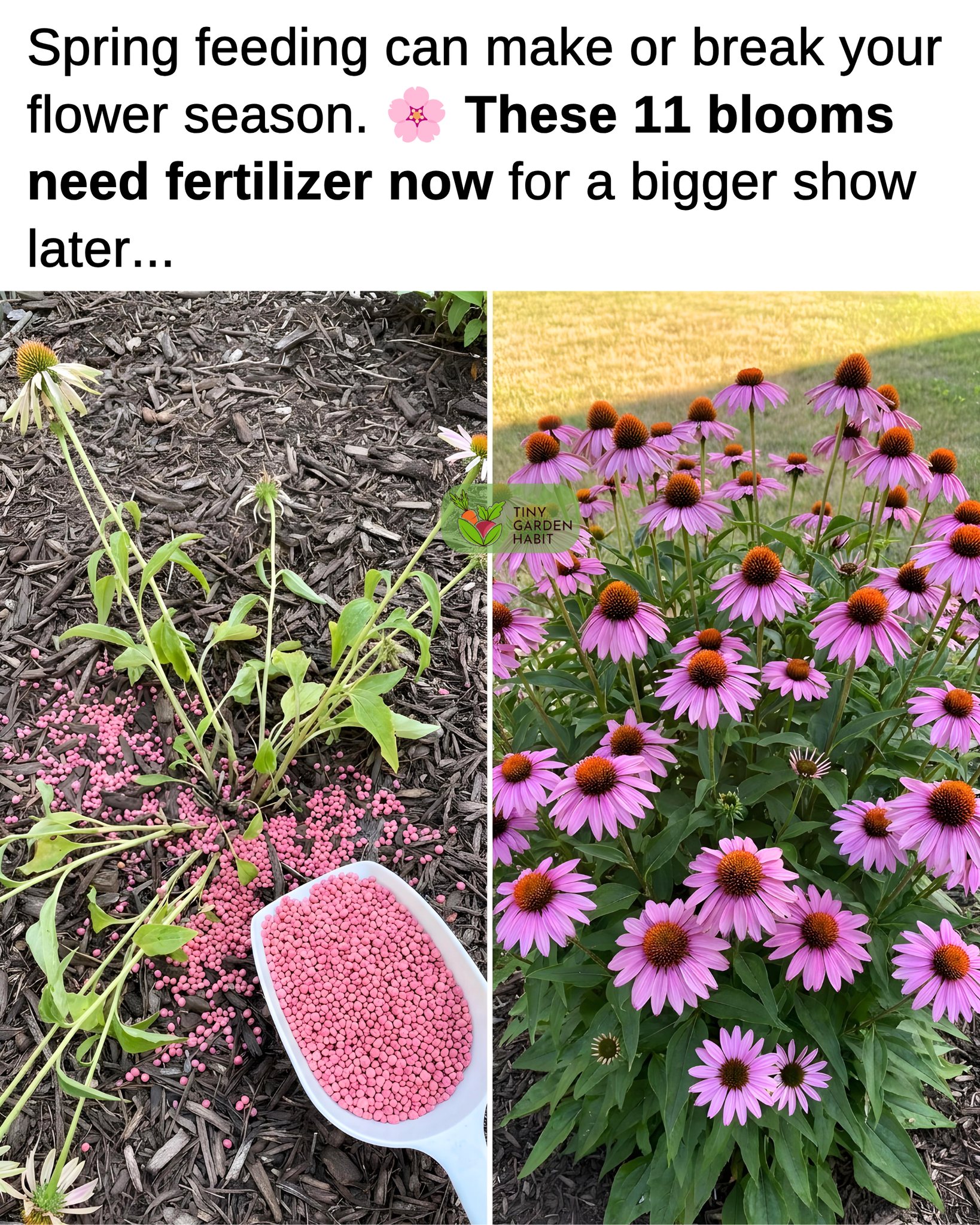

‘Baby Joe’ or ‘Little Joe’ varieties stay around four feet, but they still eat like they have something to prove. They like richer, consistently moist soil more than the lean-soil divas, so I give them compost and a light balanced feeding in spring to support strong stems and a better bloom show.
How I do it: I add a shovelful of compost around the plant and sprinkle about 2 tablespoons of balanced fertilizer, such as 10-10-10 or 5-5-5, around the root zone, then water it in.
9. Bee Balm
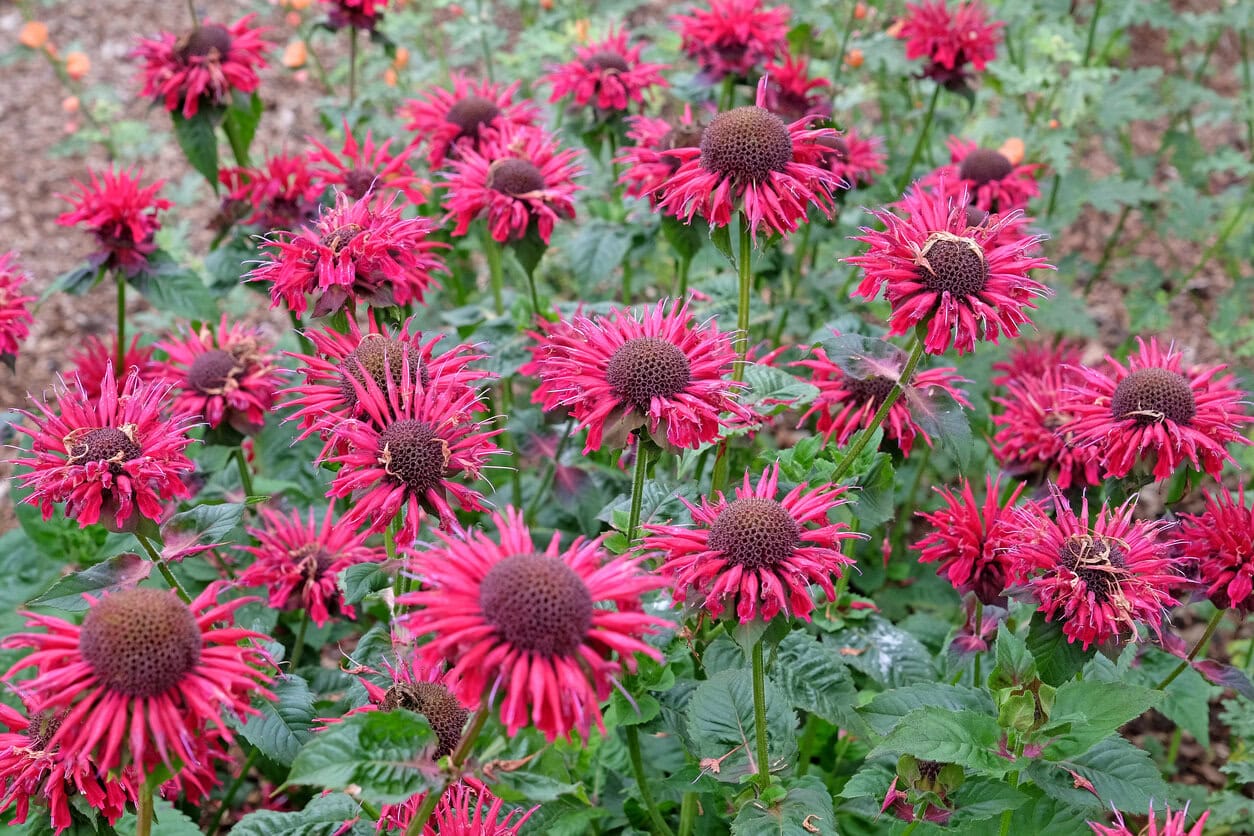
I’d bet Monarda spends half its life just trying to contract powdery mildew, and the other half luring every bee and hummingbird in the neighborhood. It is worth growing, but it does not need to be force-fed.
Too much fertilizer can push soft, leafy growth that mildew loves, so I keep the feeding light and focus more on sun, spacing, and airflow.
How I do it: In early spring, I use compost or about 1 tablespoon of balanced organic fertilizer, such as 5-5-5, around the base, then water it in.
10. Zinnias
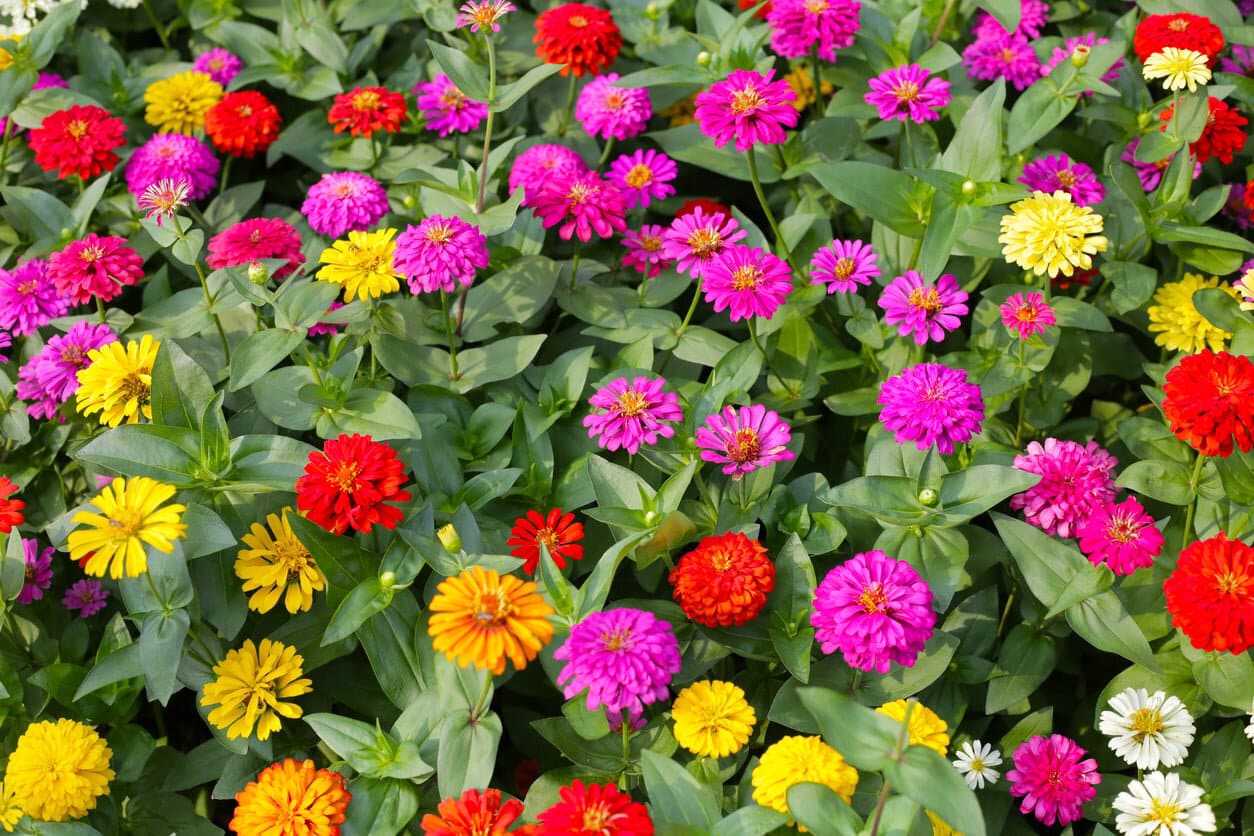
While technically native to Mexico, zinnias are now a staple of the American “cutting garden.” You buy them in six-packs, stick them in the ground, and as long as you keep them watered and deadheaded, they’ll bloom until the world ends.
How I do it: At planting, I mix in compost or a balanced slow-release fertilizer, such as 5-5-5 or 10-10-10. Once they start blooming, I feed lightly about once a month if the plants look like they need it.
We also wrote a guide on spring zinnia tips if you want more color out of them all summer without turning the flower bed into a fertilizer experiment.
11. Sunflowers

A sunflower is basically a biological machine designed to turn soil, sun, and water into a stalk that makes the fence look inadequate.
Big varieties are hungry plants, so I don’t stick them in tired soil and expect a miracle with petals. I give them compost or balanced fertilizer early, then let steady water and full sun do the rest of the bullying.
How I do it: At planting, I mix compost or a balanced slow-release fertilizer, such as 5-5-5 or 10-10-10, into the soil. For giant varieties, I feed lightly again once the plants are about 1 to 2 feet tall, then water well.
The Pellets are in Your Court