
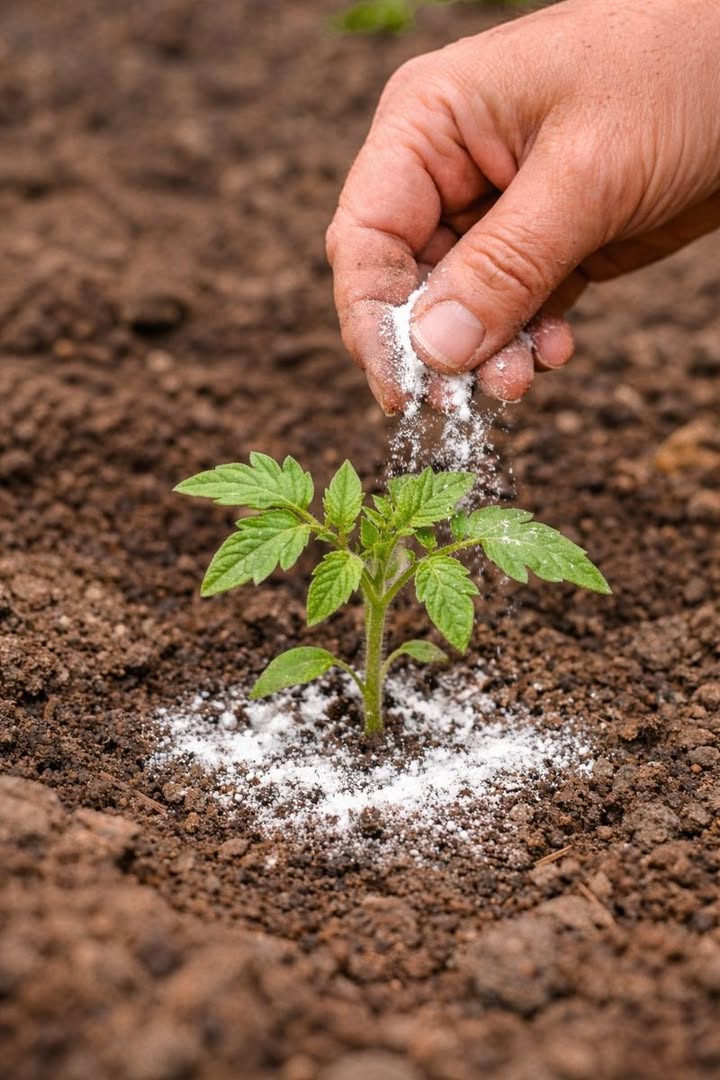
Growing tomatoes successfully can be both an art and a science. While there are standard practices that every gardener follows, such as ensuring proper sunlight and watering, there are also lesser-known secrets that can significantly enhance your tomato yield. These ‘secret ingredients’ can be the difference between a mediocre harvest and a bountiful one.
In this article, we will explore ten such secret ingredients that many seasoned gardeners swear by. These ingredients are not only effective but also often found right at home or can be easily obtained. Incorporating them into your gardening routine could lead to a more fruitful and delicious tomato harvest.
1. Crushed Eggshells For Slow-Release Calcium
Eggshells are not just waste; they are a powerhouse of calcium, which is crucial for preventing blossom end rot in tomatoes. To use eggshells, collect and rinse them thoroughly to remove any egg residue. Once dried, crush them into a fine powder using a blender or mortar and pestle.
Incorporate about 1 cup of crushed eggshells into the soil around each tomato plant at the time of planting. This slow-release calcium will be gradually absorbed by the plant, strengthening cell walls and promoting healthy growth throughout the season.
2. Epsom Salt To Turbocharge Magnesium And Flavor
Epsom salt is a gardener’s friend when it comes to providing magnesium, a vital nutrient that promotes photosynthesis and enhances fruit flavor. To apply, dissolve 1 tablespoon of Epsom salt in a gallon of water and apply this solution to the base of each plant every two weeks.
This application not only aids in magnesium deficiency but also contributes to a sweeter and more robust tomato flavor. Tomatoes treated with Epsom salt often develop more vibrant colors and better overall health.
3. Aspirin Water To Boost Immunity And Yield
Aspirin contains salicylic acid, a compound that can mimic plant hormones and enhance a plant’s immune response. By spraying aspirin water on your tomato plants, you can help them fend off diseases and increase their yield.
To make aspirin water, dissolve one regular-strength aspirin (325 mg) in a gallon of water. Apply this solution every three weeks by spraying it onto the leaves. This treatment helps to stimulate systemic acquired resistance, making plants more resilient against pathogens.
4. Diluted Seaweed Extract For Micronutrient Power
Seaweed extract is rich in micronutrients and plant growth hormones that can significantly benefit tomato plants. To use, dilute seaweed extract according to the package instructions, typically around 1 ounce per gallon of water.
Apply this solution as a foliar spray or soil drench every 2-4 weeks. The micronutrients found in seaweed, such as zinc and iron, help address deficiencies and promote vigorous, healthy plant growth.
5. Baking Soda Spray To Sweeten Fruit And Fight Fungus
Baking soda, commonly found in kitchens, can be a gardener’s ally in controlling fungal diseases and improving tomato sweetness. Mix 1 tablespoon of baking soda with a gallon of water and add a few drops of liquid soap to help it adhere to leaves.
Spray this solution onto the leaves and around the base of the plants every 7-10 days. This treatment helps to alter the pH on the leaf surface, making it less hospitable for fungal pathogens. Additionally, the pH adjustment can lead to sweeter fruits over time.
