
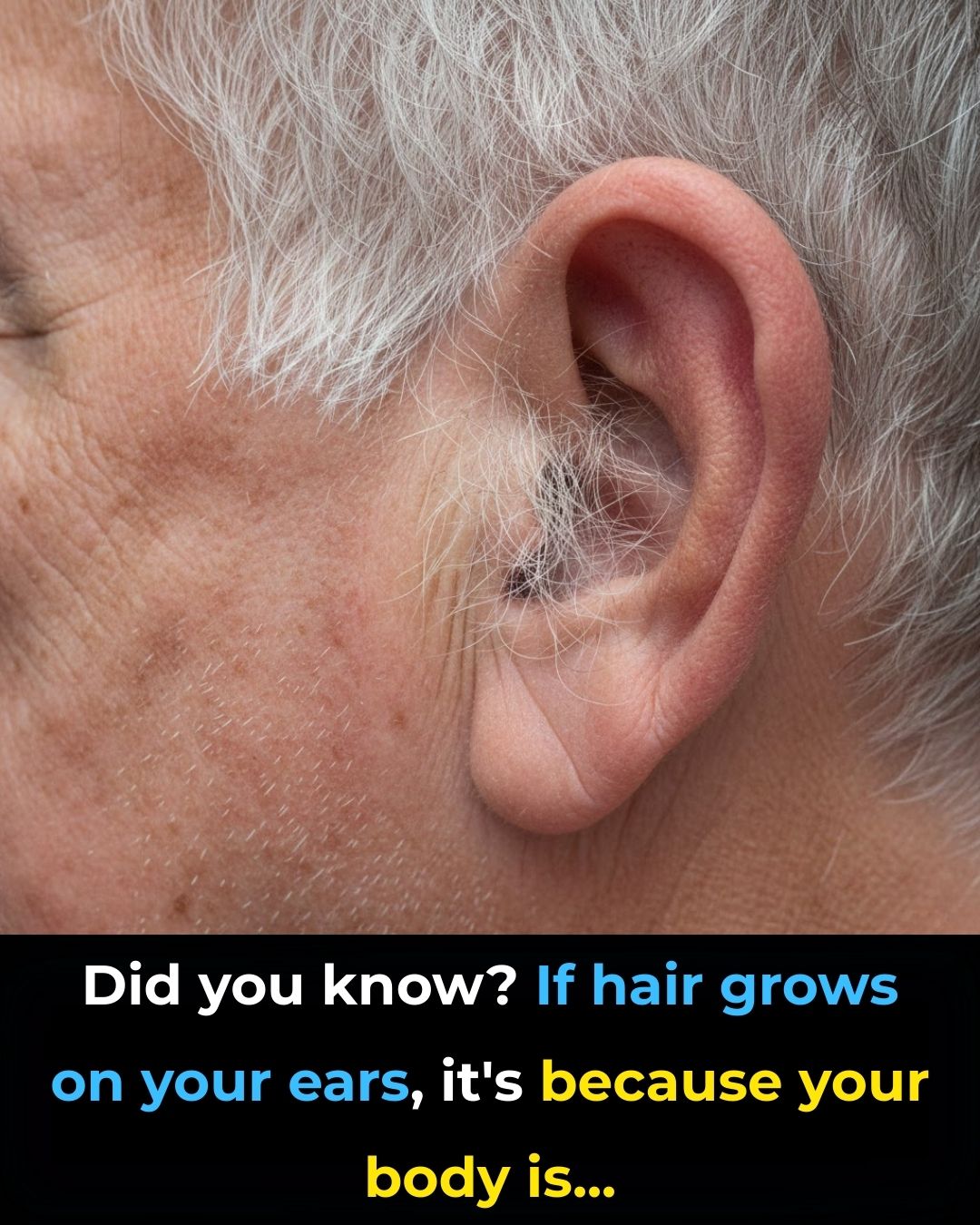

Many people notice small hairs growing on the outer part of their ears as they get older. While it might seem strange or even worrying at first, ear hair is actually a completely normal biological process. Your body grows hair in many places, and the ears are one of the areas where changes can happen over time.
1. Hormones Play a Major Role
One of the main reasons hair grows on the ears is hormonal changes, especially related to a hormone called testosterone. Testosterone is present in both men and women, but it is much higher in men.
As people age, the body converts testosterone into a stronger hormone called dihydrotestosterone (DHT). This hormone can affect hair follicles in different ways:
-
On the head, DHT may cause hair thinning or balding.
-
On the ears, nose, and eyebrows, it can stimulate extra hair growth.
This is why ear hair is more common in older men.
2. Aging Changes Hair Growth Patterns
As the body ages, hair follicles become more sensitive to hormonal signals. Areas that once had very tiny, almost invisible hairs (called vellus hairs) can turn into thicker, darker hairs known as terminal hairs.
This transformation explains why:
-
Ear hair often appears after age 30 or 40
-
It may grow longer and faster over time
-
Some people develop hair on the ear rim or ear canal entrance
It’s simply a natural sign that the body is aging.
3. Genetics Also Matter
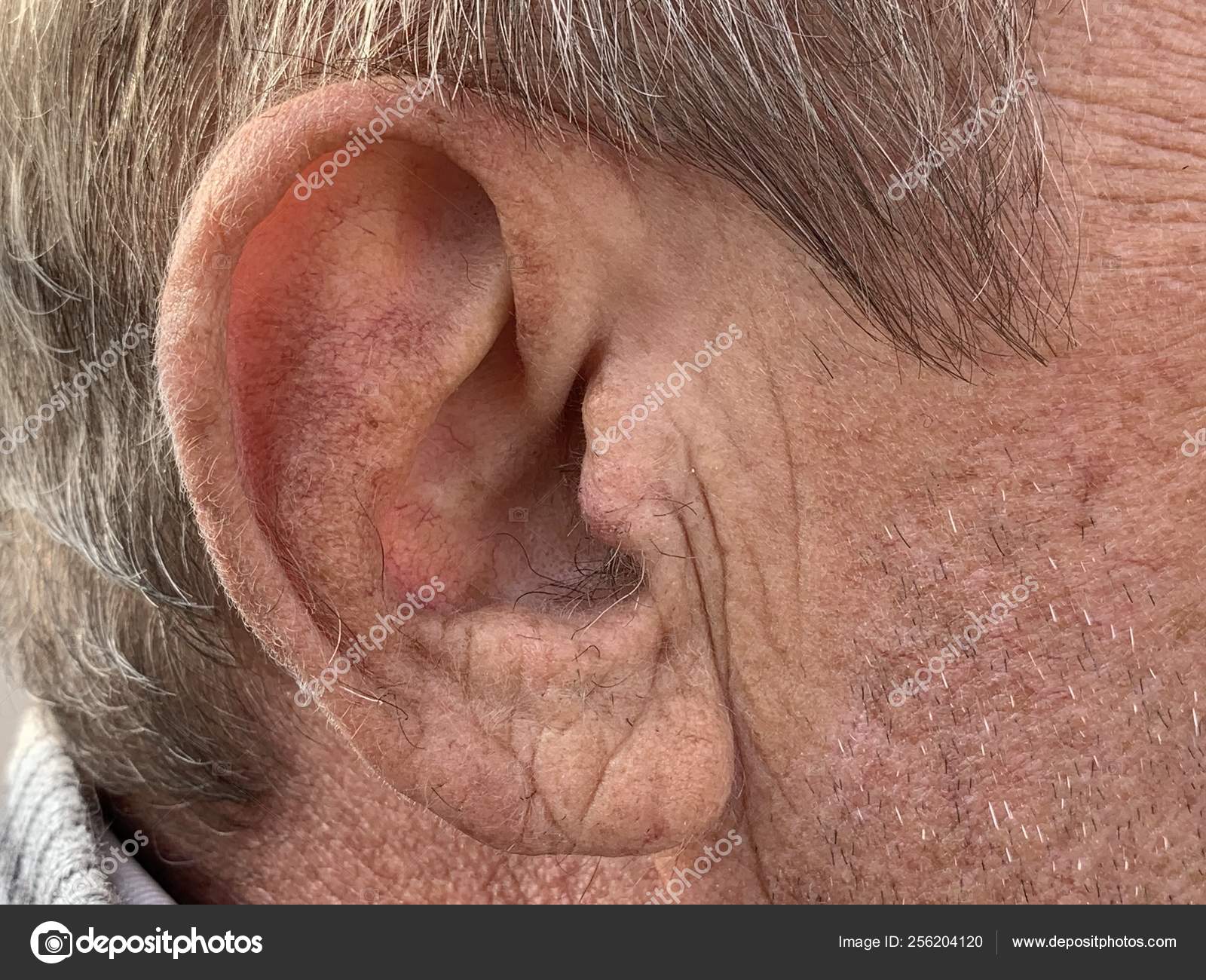
Your genes strongly influence whether you develop ear hair. If your father or grandfather had noticeable ear hair, there’s a good chance you might experience it too.
Scientists have even studied something called “auricular hypertrichosis”, sometimes referred to as hairy ear syndrome, which is linked to genetic inheritance in some families.
However, most ear hair growth is not a medical condition—it’s just a genetic trait.
