
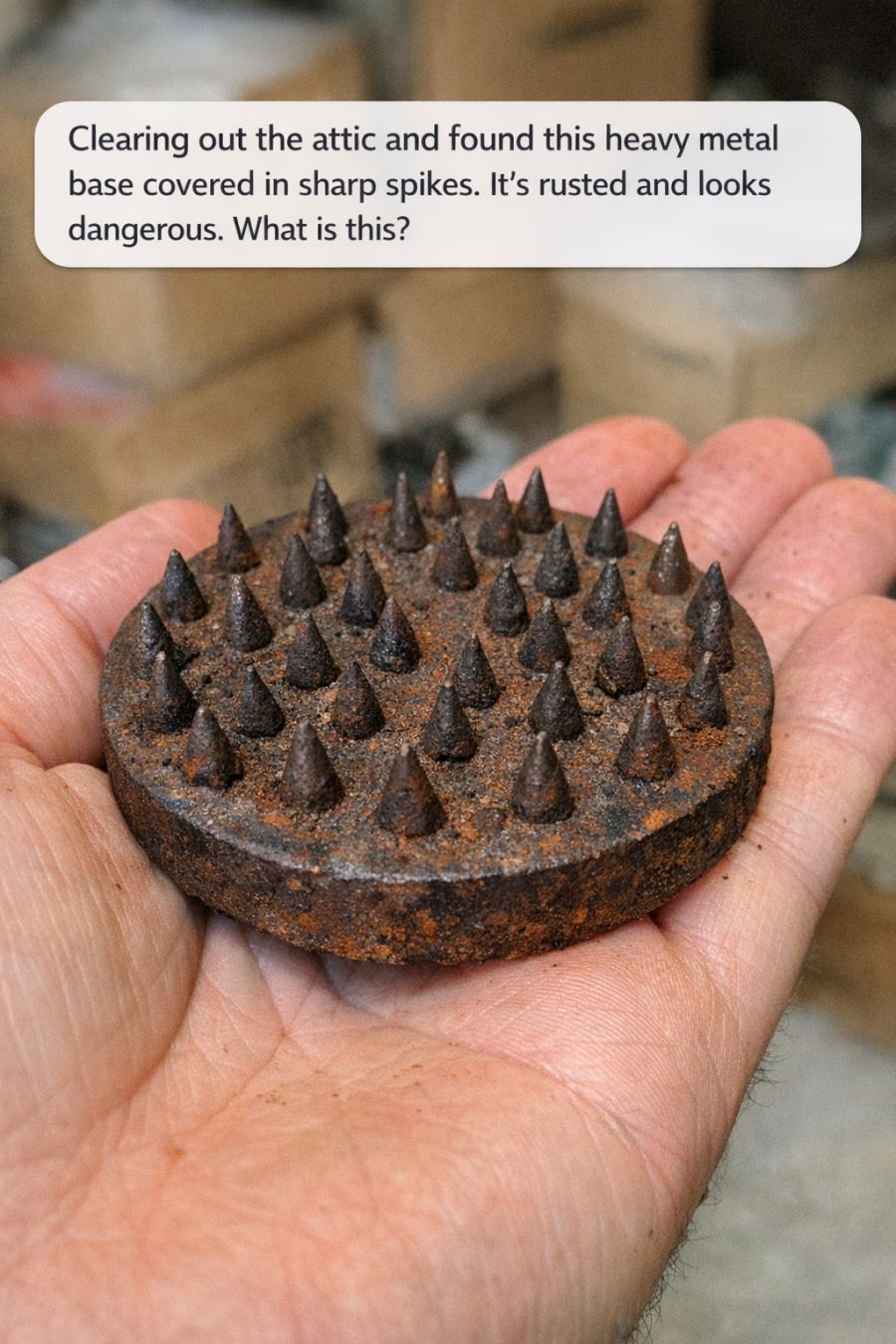
6. How Old Is Your Flower Frog? Dating Clues in Rust, Shape, and Weight
Determining the age of your flower frog involves examining several factors. The degree of rust can indicate age, as older frogs are likely more corroded unless they have been well-maintained. The design can also offer clues; older models often have more ornate construction or a heavier weight compared to modern versions.
Weight is another indicator—vintage flower frogs are typically made of heavier metals such as lead or cast iron, whereas more recent ones might use lighter materials. Examining any maker’s marks or stamps can also provide information about the era in which it was produced.
7. What It’s Worth: Collectible Value of Vintage Flower Frogs
The collectible value of a vintage flower frog depends on several factors, including its age, condition, rarity, and design. Pristine examples with unique designs or markings from well-known manufacturers can fetch higher prices among collectors.
In general, older and more ornate flower frogs are more desirable, especially if they are in good condition with minimal rust or damage. The market for these items varies, with prices ranging from a few dollars for common examples to several hundred for rare or particularly beautiful pieces.
8. Safe Handling Tips for a Rusty, Spike-Covered Base
Handling a rusty flower frog requires caution to avoid injury. Always wear gloves when picking up the object, and consider using a cloth or pad underneath it to prevent scratches to surfaces. If the spikes are particularly sharp, you might want to blunt their tips slightly with a file or cover them with protective caps.
Keep the flower frog in a secure location where it won’t be accidentally stepped on or brushed against. If displaying it, choose a sturdy shelf or case that can support its weight and keep it out of high-traffic areas.
9. Cleaning and Restoring a Rusted Flower Frog Without Ruining It
To clean a rusted flower frog, start by gently brushing off loose rust with a wire brush. Avoid vigorous scrubbing, which could damage the metal. For deeper cleaning, consider using a rust remover or a mixture of vinegar and baking soda. Soak the flower frog for a few hours, then scrub gently.
After cleaning, dry the frog thoroughly to prevent further rusting. If you wish to preserve the metal, apply a coat of clear sealant or wax to protect it from moisture. Always test cleaning solutions on a small area first to ensure they won’t harm the metal.
10. Creative Ways to Reuse or Display a Vintage Flower Frog Today
Although traditional floral arranging with flower frogs has diminished, these items can still be creatively repurposed. They make excellent conversation pieces when displayed on a shelf or in a curio cabinet. Some people use them as unconventional pencil holders or to organize small tools and art supplies.
Flower frogs can also be incorporated into modern decor as part of a vintage or industrial-themed setting. Their unique shapes and textures add visual interest, and they can be a nod to the history of floral design.
11. When to Toss It: Signs of Irreparable Damage or Real Hazard
A flower frog should be discarded if it shows signs of severe corrosion that compromises its structural integrity. If the spikes are bent or broken, making it unusable or unsafe, it might be time to consider disposal.
If the rust is too extensive and poses a health hazard, or if the metal is crumbling to the touch, the object is beyond repair. In such cases, recycling the metal is the best option, ensuring it’s disposed of in an environmentally friendly manner.
