
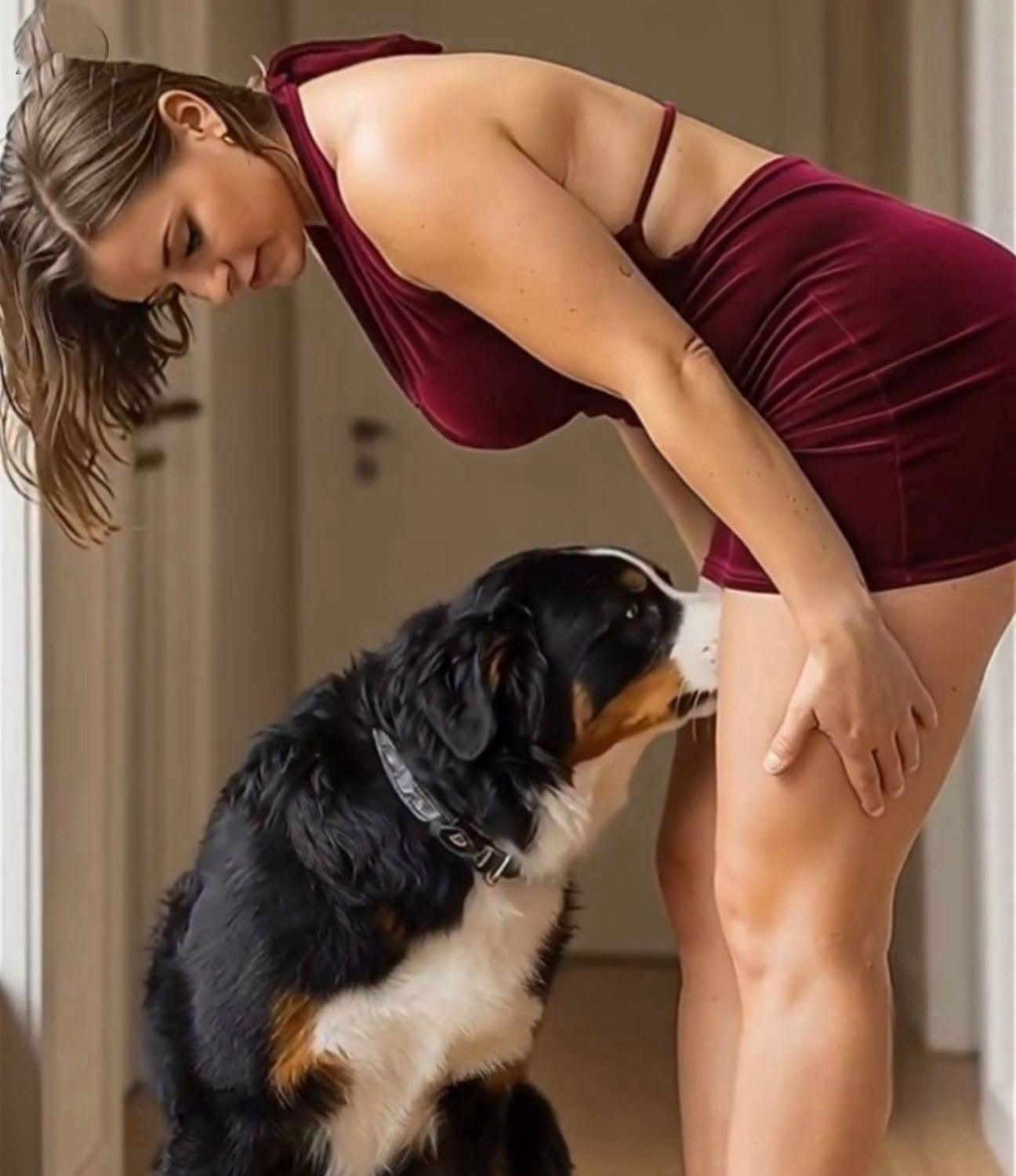
Why Dogs Sniff People: The Real Meaning Behind That Awkward Greeting
If you’ve ever had your dog walk up to a guest and immediately start sniffing, you’re not alone—and you’re not dealing with “bad manners.” What looks uncomfortable to humans is actually one of the most normal, intelligent behaviors in the canine world.
Being a great pet parent isn’t only about high-quality dog food, regular exercise, and vet visits. It’s also about understanding how your dog experiences life. Humans rely heavily on sight and words. Dogs rely on scent. In many ways, a dog’s nose is their version of a search engine, ID scanner, and social media feed—all rolled into one.
Your Dog’s Nose Is Built for Advanced Detection
A dog doesn’t simply smell “a person.” They pick up a detailed chemical snapshot that can include where you’ve been, what you touched, what you ate, and even changes in your body chemistry. That’s why dogs often recognize someone instantly after months apart, and why they may spend extra time sniffing one person more than another.
Canine smell is incredibly powerful. Dogs have far more scent receptors than humans, and their brains are wired to process odors with impressive precision. They also have a specialized sensory system (often called the vomeronasal organ) that helps detect certain chemical signals people don’t notice at all.
What Your Dog May Be “Learning” When They Sniff Someone
Sniffing is information-gathering. It’s how dogs confirm identity, assess safety, and understand what’s happening around them. While it’s not the same as “mind reading,” your dog may be detecting clues linked to:
- Stress or nervousness (subtle changes in sweat and hormones)
- Excitement (increased body heat, movement, and scent output)
- Recent activities (other pets, food, outdoor environments)
- Familiarity (whether this person has been around before)
To a dog, that quick sniff is a polite introduction. It’s the canine equivalent of saying, “Who are you, where have you been, and are we good?”
Why It Feels Embarrassing (and Why It Shouldn’t)
People often label sniffing as “rude” because we judge it using human social rules. But dogs don’t greet with handshakes or small talk. They greet with scent. Preventing all sniffing would be like asking a person to meet someone without speaking or looking at them.
That said, you don’t have to allow your dog to invade anyone’s personal space. Understanding the behavior doesn’t mean letting it happen without boundaries—especially around guests, children, or in public places.
How to Teach Polite Greetings Without Shutting Down Natural Instinct
The goal isn’t to stop sniffing—it’s to shape it into calm, controlled behavior. With consistent dog training, you can keep greetings respectful while still letting your dog do what comes naturally.
Practical options that work well for many families include:
- Teach a “sit to say hello” routine before your dog approaches anyone.
- Use a release cue (like “okay” or “go say hi”) so your dog learns permission matters.
- Reward calm behavior with treats or praise, especially when guests arrive.
- Redirect over-excitement by creating space, using a leash, or practicing greetings in short sessions.
This approach supports better behavior without turning normal canine communication into something your dog gets punished for.
Your Emotions Matter More Than You Think
 Continued on the next page
