
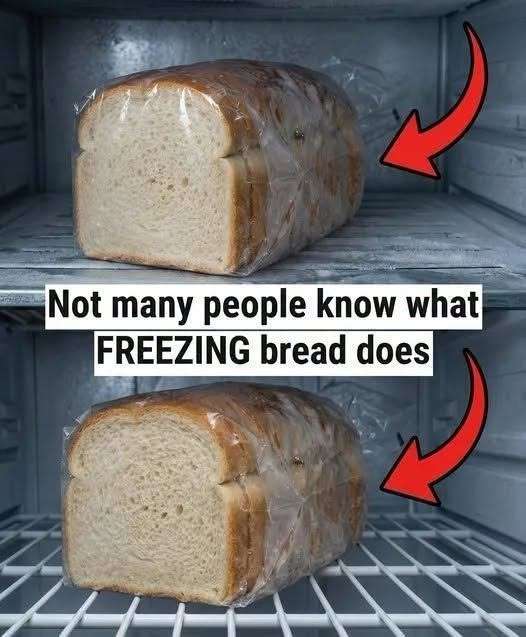
With two growing boys in the house, bread is one of the fastest-disappearing items in my kitchen. A fresh loaf can be gone within a day, while bagels, buns, and English muffins often vanish even faster. Keeping enough bread on hand for breakfasts, school lunches, and snacks can feel like a never-ending challenge. Over time, I found a simple solution that helps save money and keeps our pantry stocked without frequent trips to the grocery store.
Whenever I find bread on sale, I buy extra and freeze what we won’t use right away. This habit has become one of the easiest ways to stretch our grocery budget while reducing food waste. Instead of worrying about bread going stale before we can eat it, I can store it safely and use it whenever needed. Having a backup supply also makes busy mornings much less stressful.
However, freezing bread isn’t always as simple as placing the loaf in the freezer. If stored incorrectly, bread can become dry, tough, or develop freezer burn. These problems often happen when too much air remains inside the packaging or when an entire loaf is frozen without preparation. When slices freeze together, it can be difficult to separate only what you need.
 Continued on the next page
